







MAKKAH: Historians, geographers and painters have all contributed to the preservation of the history of the Two Holy Mosques, conveying the urban, cultural and human heritage in all its manifestations and archaeological treasures.
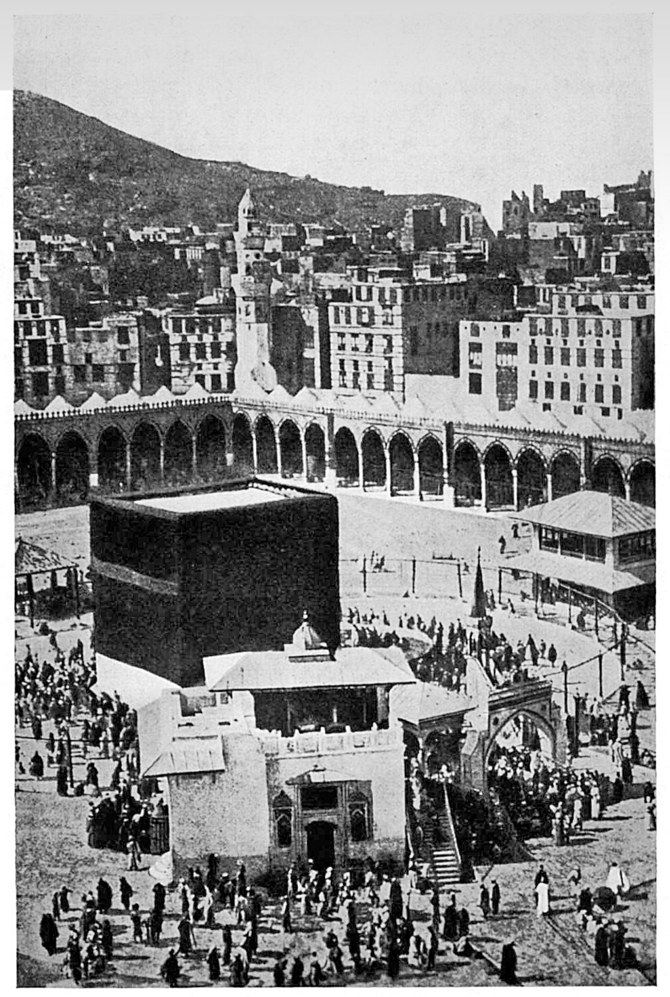
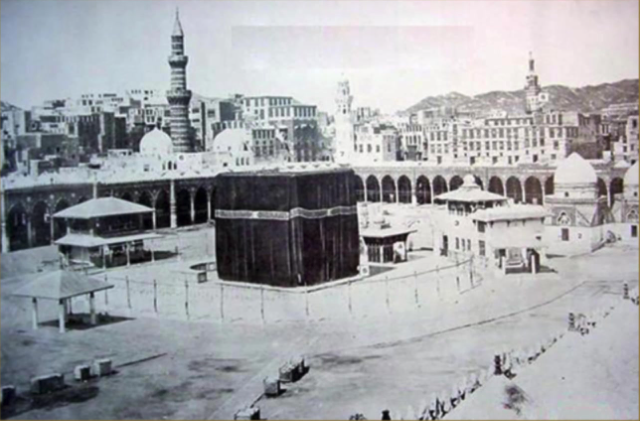
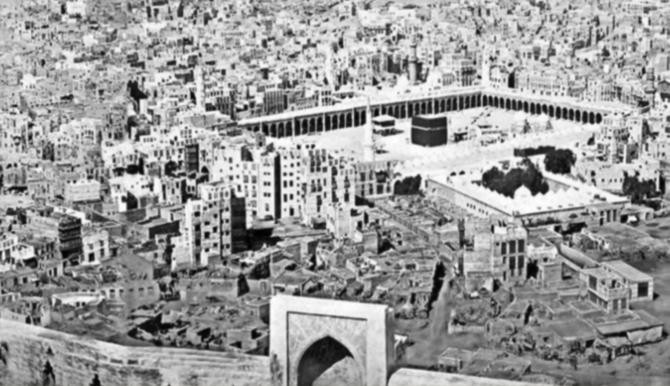
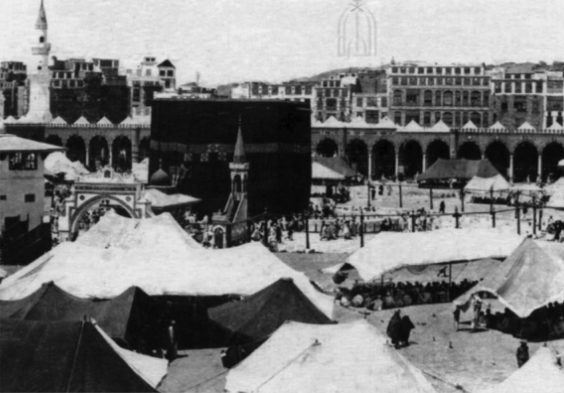
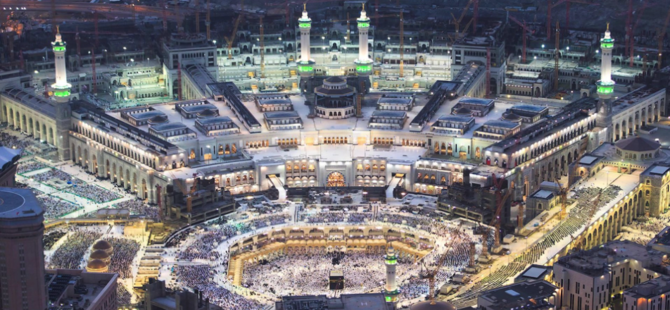
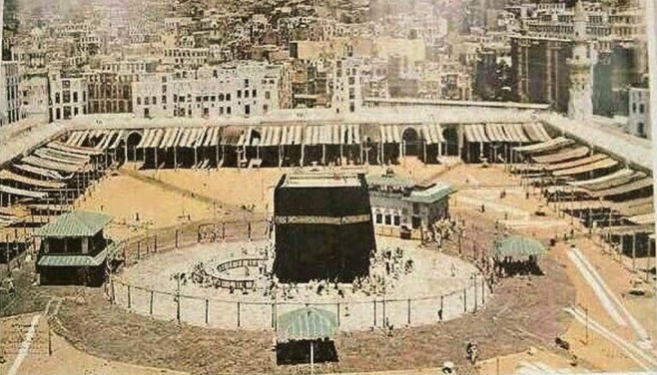
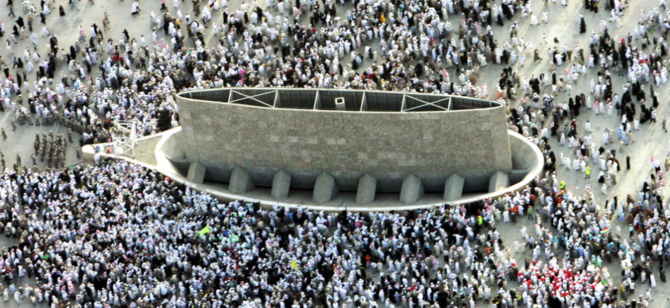
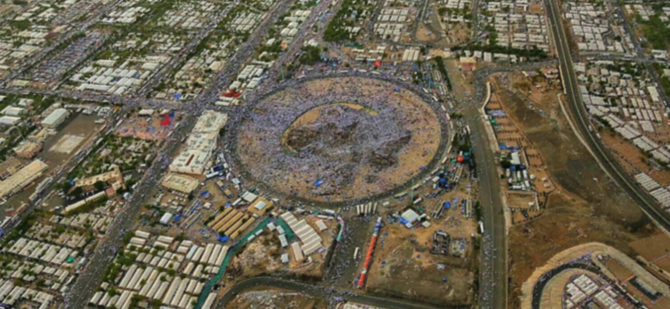
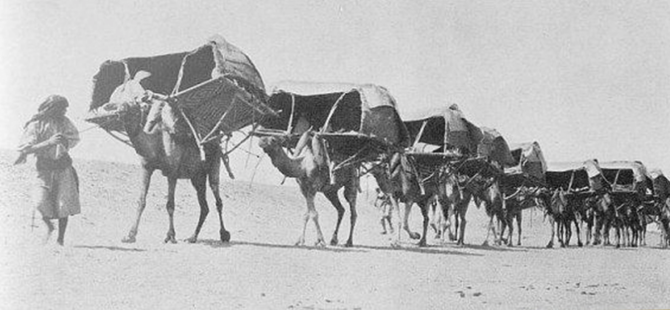
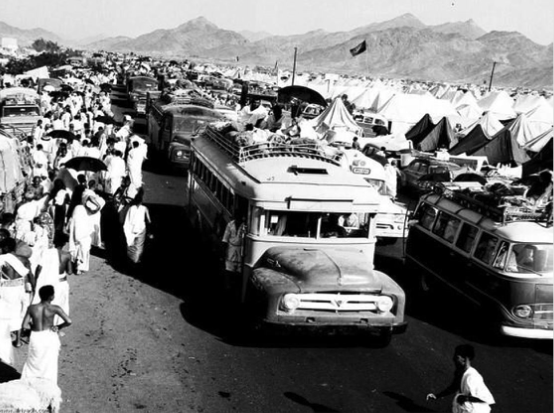
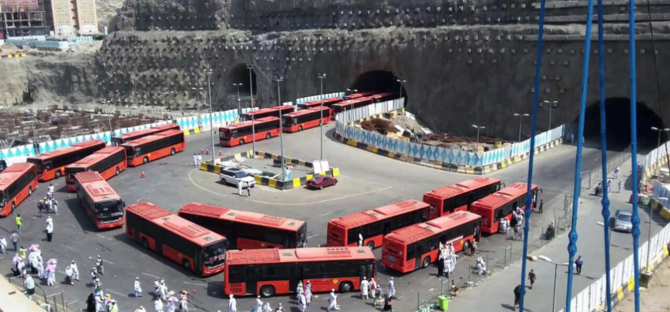
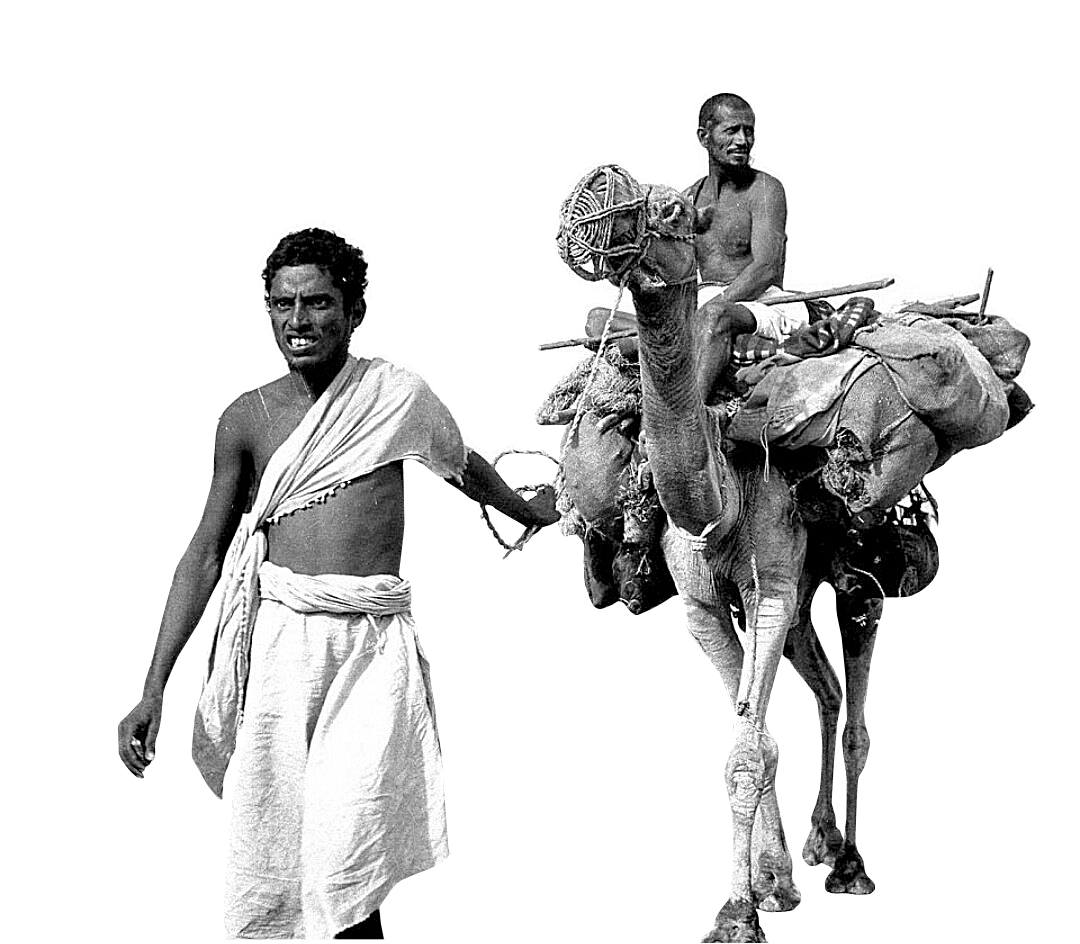
Arab News took a trip through the 150 years of Makkah’s history to review the images that have found their place in the memory of the world.
Dr. Khadran Al-Thubaiti, former professor of geography at Umm Al-Qura University, said that the role of geographers is not so much in historical aspects as in natural, urban and civilizational aspects.
“The relationship between history and geography is close because the temporal dimension and the spatial dimension go hand in hand,” he said.
He explained that historians have played a major role in documenting the development and change witnessed in Makkah and the Grand Mosque area since the migration of the Prophet until the present.
The relationship between history and geography is close because the temporal dimension and the spatial dimension go hand in hand.
Dr. Khadran Al-Thubaiti, former professor of geography at Umm Al-Qura University
“No one can deny the prominent role that Al-Azraqi, Al-Fakihi, Al-Fassi and other (historians) have played in mapping the history and geography of Makkah,” said Al-Thubaiti.
Dr. Abdullah bin Hussein Al-Sharif, supervisor of the King Salman bin Abdul Aziz Chair for Makkah Historical Studies, told Arab News that Makkah occupies a special religious and spiritual place in the hearts of Muslims, and has received the attention of Islamic countries from the time of Prophet Muhammad and caliphs through to the Kingdom of Saudi Arabia, which vigorously serves the pilgrims and visitors.
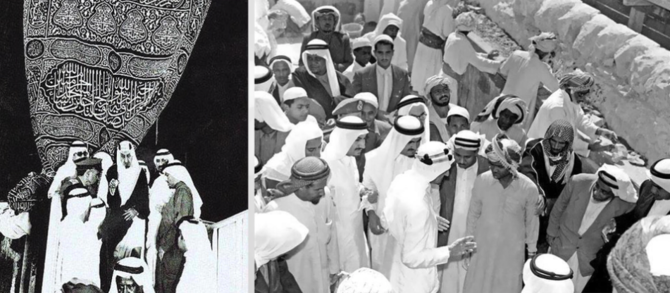
Al-Sharif said that in the Saudi era the Two Holy Mosques received special care from the great founder King Abdul Aziz, who was eager to reconstruct and develop them and provide the best services to the pilgrims.
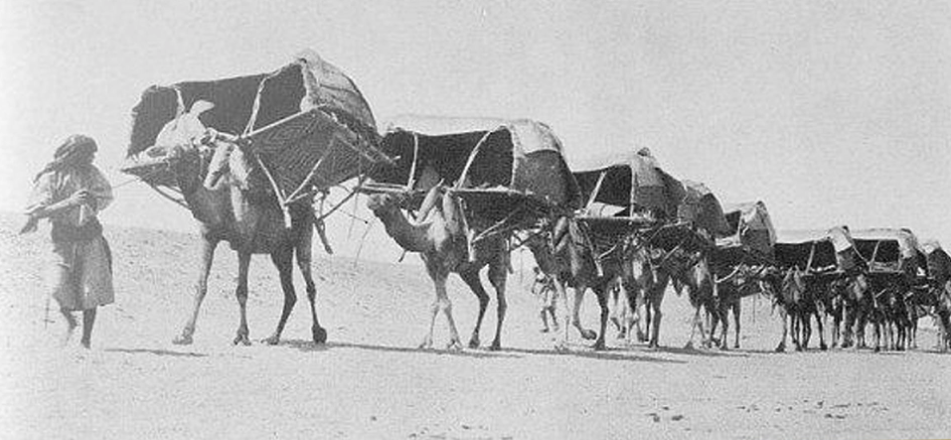
“Historians, travelers, geographers, painters, writers and photographers have taken care to document the history of the Two Holy Mosques, pilgrimages, Umrah and visits, as well as the efforts of Islamic countries to serve pilgrims,” Al-Sharif said.
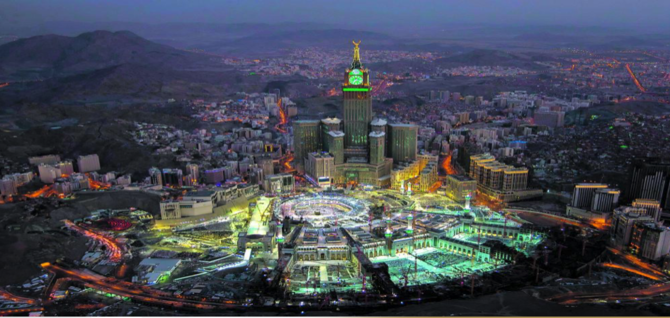
Al-Sharif explained that the series of images that span nearly 150 years clearly illustrates the historical transition and civilizational development that Saudi Arabia has witnessed and the services it has offered, as well as the great amount of money and unparalleled effort that it has generously provided in the service of Islam and Muslims.
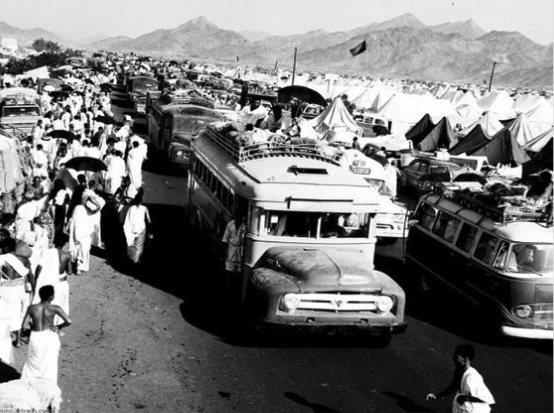
“The main goal of the Kingdom, during the reign of its founder King Abdul Aziz and his righteous sons, the kings of the Kingdom after him, Saud, Faisal, Khalid, Fahd and Abdullah, was to take care of the Two Holy Mosques and provide pilgrims and visitors with the best of services so that they could perform their rituals with ease and comfort. King Salman followed in the footsteps of his predecessors and pursued this matter with vigor, drawing attention, in all his meetings and speeches, to the Kingdom’s keenness to proudly serve the pilgrims,” he said.
Al-Sharif added: “Vision 2030 is a national reform plan introduced by Crown Prince Mohammed bin Salman to develop the Kingdom. It represents the continuation of the government’s efforts and the major Saudi achievements in general, and in the Two Holy Mosques in particular. It reflects a great qualitative leap towards comprehensive sustainable development, progress and global leadership.”
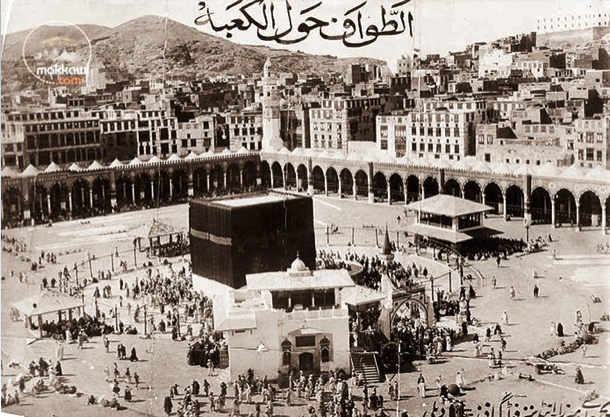
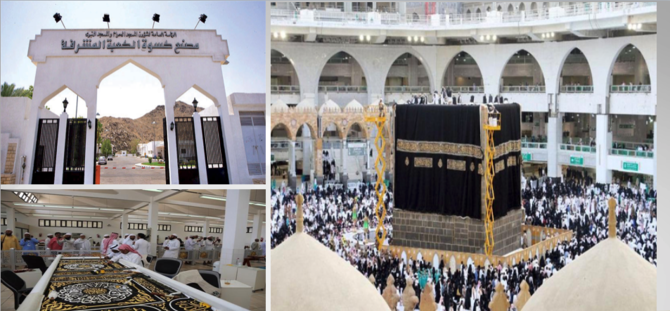
He said that the Kingdom’s founder initiated various works to further develop the holy site “such constructing the Kiswa Factory of the Holy Kaaba in Makkah, building a door for the Kaaba, lighting, maintaining and painting the square of the Mosque, tiling and shading the Masaa area (the running course between Safa and Marwa), advising the expansion of the Two Holy Mosques.”
These epic efforts culminated in the expansion of the Grand Mosque in three phases, he said. The first phase of the expansion was ordered by King Abdul Aziz and took place during the reign of King Saud and was completed during the reign of King Faisal.
“The second expansion, which took place during the reign of King Fahd bin Abdul Aziz, included the addition to the Grand Mosque of the historic Souq Al-Hazoora area, known as the Souq Al- Sagheer. Other modern developments were added, such as squares, escalators and the circumambulation areas (Mataf).”
The third expansion, the largest expansion of the Grand Mosque in history, began in the reign of King Abdullah and is continuing in the reign of King Salman. “It raised the capacity of the Grand Mosque, Mataf and Masaa to nearly 3 million worshippers, allowing them to perform the Hajj and Umrah rituals with comfort and ease.”
Historians have taken care to document the history of the Two Holy Mosques, pilgrimages, Umrah and visits, as well as the efforts of Islamic countries to serve pilgrims.
Dr. Abdullah bin Hussein Al-Sharif, supervisor of the King Salman bin Abdul Aziz Chair for Makkah Historical Studies
Al-Sharif explained that the three expansions are part of a system of facilities, works, projects and services to be carried out in the two holy cities and the holy sites, with the aim of providing integrated infrastructure, such as water networks through desalination plants and giant strategic reservoirs, electricity and drainage systems, environmental health and municipal services.
“The development projects also aim to offer adequate housing for visitors and pilgrims,” he said.
Al-Sharif said that modern sea ports, airports, roads, bridges, communications and trains, including the Haramain high-speed railway project and the holy sites project are being executed.
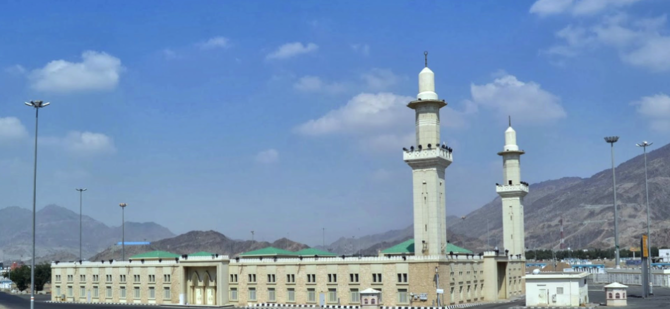
The Saudi leadership also took care of building the Mawaqit, entry points for pilgrims on Hajj roads and the holy sites mosques, including the Al-Khayf Mosque in Mina, the Al-Mashaar Al-Haram Mosque in Muzdalifah, the Mosque of Nimara in Arafat, and the historical mosques such as Al-Ijaba, Al-Raya and Al-Jinn mosques.

Al-Sharif stated that the Kingdom was keen to preserve the health of pilgrims and built medical cities, hospitals and health centers in Makkah, Madinah and the holy sites, providing medical services free of charge.
“The Kingdom has proven throughout its history its ability to host millions of visitors and manage crowds efficiently with its generous hospitality and services. It looks forward to receiving about 35 million pilgrims each year through its Vision 2030 projects,” he said.
He added: “The most important thing is to enable visitors and pilgrims to perform their rituals in a safe and healthy environment. The Kingdom was able to achieve this goal, enabling worshippers to perform their Hajj and Umrah ritual in security, peace, comfort and tranquility from their entry into the Kingdom and until they leave.”


