- Sustainable Development Goal 13 pertains to combating climate change and its impacts and investing in low-carbon development
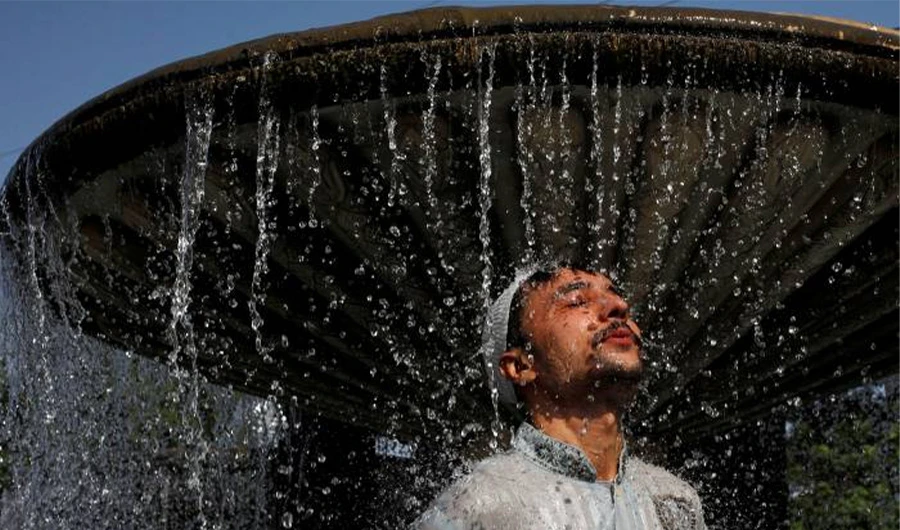
- Pakistan is the fifth most vulnerable country in the world to climate change
ISLAMABAD: The Ministry of Climate Change and UNDP said on Monday Pakistan had achieved, well before the 2030 deadline, the UN’s Sustainable Development Goal 13 on ‘climate action’, which pertains to combating climate change and its impacts and investing in low-carbon development.
Prime Minister’s Adviser on Climate Change, Malik Amin Aslam, Additional Secretary Ministry of Climate Change, Joudat Ayaz, Deputy Resident Representative UNDP Pakistan, Aliona Niculita, Assistant Resident Representative Environment & Climate Change Unit UNDP, Amanullah Khan and additional UNDP and Ministry of Climate Change representatives met on Monday to celebrate the milestone.
“I would like to highlight that the SDGs [Sustainable Development Goals] are not 17 individual goals, but are rather interconnected. Progress in one goal can both depend on and unlock progress in another – and interconnected goals require an interconnected approach,” Pakistani minister Aslam said at the ceremony. “Our efforts in the realm of climate action can surely help create a positive impact on other goals and countries.”
Pakistan is the fifth most vulnerable country in the world to climate change, Aslam said, adding: “We are committed to this, and have started a number of projects over the past two years, an example being GLOF-II (Glacial Lake Outburst Floods II), where we are working to establish early warning systems and train communities to deal with glacial lake outburst floods.”
“UNDP Pakistan and the Ministry of Climate Change have a long-standing strategic partnership and we are happy to say that our continued collaboration has borne fruit for the people of Pakistan,” Aliona Niculita, Deputy Resident Representative, UNDP Pakistan, said at the media briefing. “With strong political will, increased investment, use of technology and mutual collaboration, it is evident that we can limit the increase in global mean temperature to two degrees Celsius or less, above the pre-industrial level. This will require collective action, continuous efforts, and meaningful and effective partnerships.”
UNDP has a clear mandate to support countries that are vulnerable to the effects of climate change and to help them in achieving the desired goals. In Pakistan, UNDP has supported the implementation of various national level projects under multiple international environmental protocols to ensure targets were met as per the government’s commitments. One of the flagship outputs of this partnership is Pakistan’s first National Climate Change Policy, which was developed by the Ministry of Climate Change with the support of UNDP in 2012 followed by a number of flagship projects in the arena of climate action.
The Sustainable Development Goals were adopted to address risks across economic, social, and environmental domains. These include poverty, widening inequalities in income and access to decent lives, continued high disease burdens, and massive environmental disasters. UNDP stands committed to work together with the Government of Pakistan, civil society, national partners, and the people of Pakistan to help find solutions to persistent development challenges, including those related to Climate Change.