



ISLAMABAD: Pressed up against the foothills of the Himalayas in the Pakistani capital of Islamabad is a tiny sixteenth century temple, built as a shrine to the ancient god Ram who Hindus believe lived in the area with his family during 14 long years of exile.
For centuries, Hindus traveled far and wide to worship at the Rama Mandir Temple, staying peacefully in an adjoining dharamshala, or rest house for pilgrims, in what is today called Saidpur Village. According to official records dating as far back as 1893, a fair was held each year at a pond near the site to commemorate that Ram and his family had once sipped water from it.
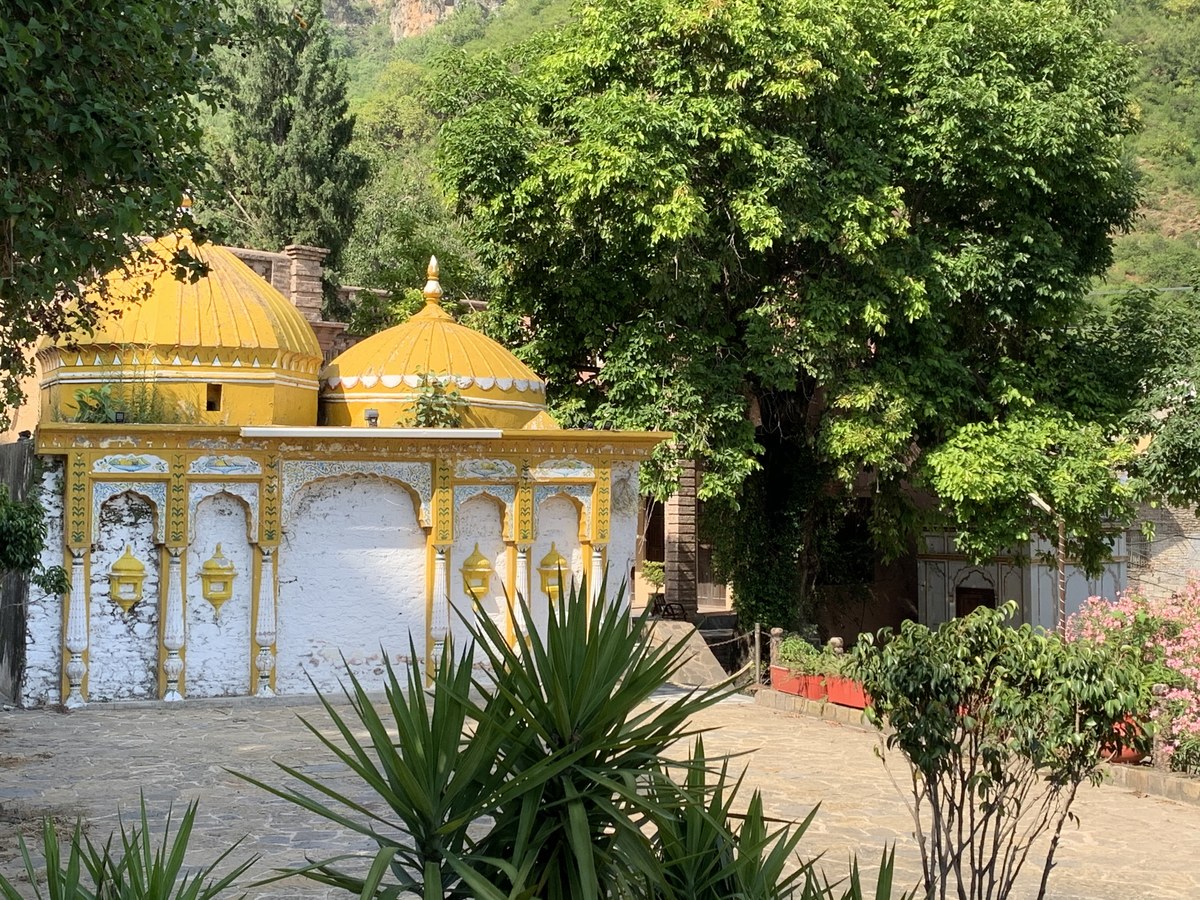
A view of a complex in Saidpur Village, which houses a Hindu temple, Sikh gurdwara and a guest house for pilgrims, in Islamabad, Pakistan on July 6, 2020. [Arab News photo by Aamir Saeed]
But since 1947, Hindus have not been allowed by authorities to worship at the temple and the compound in which it is housed. Visitors can tour the temple, but all idols have been removed and the shrine today is all but subsumed into a touristy strip of restaurants and handicraft stores. Instead of the freshwater ponds that once surrounded the area and were considered holy by the Hindu community, a foul-smelling rainwater channel now flows through the village.
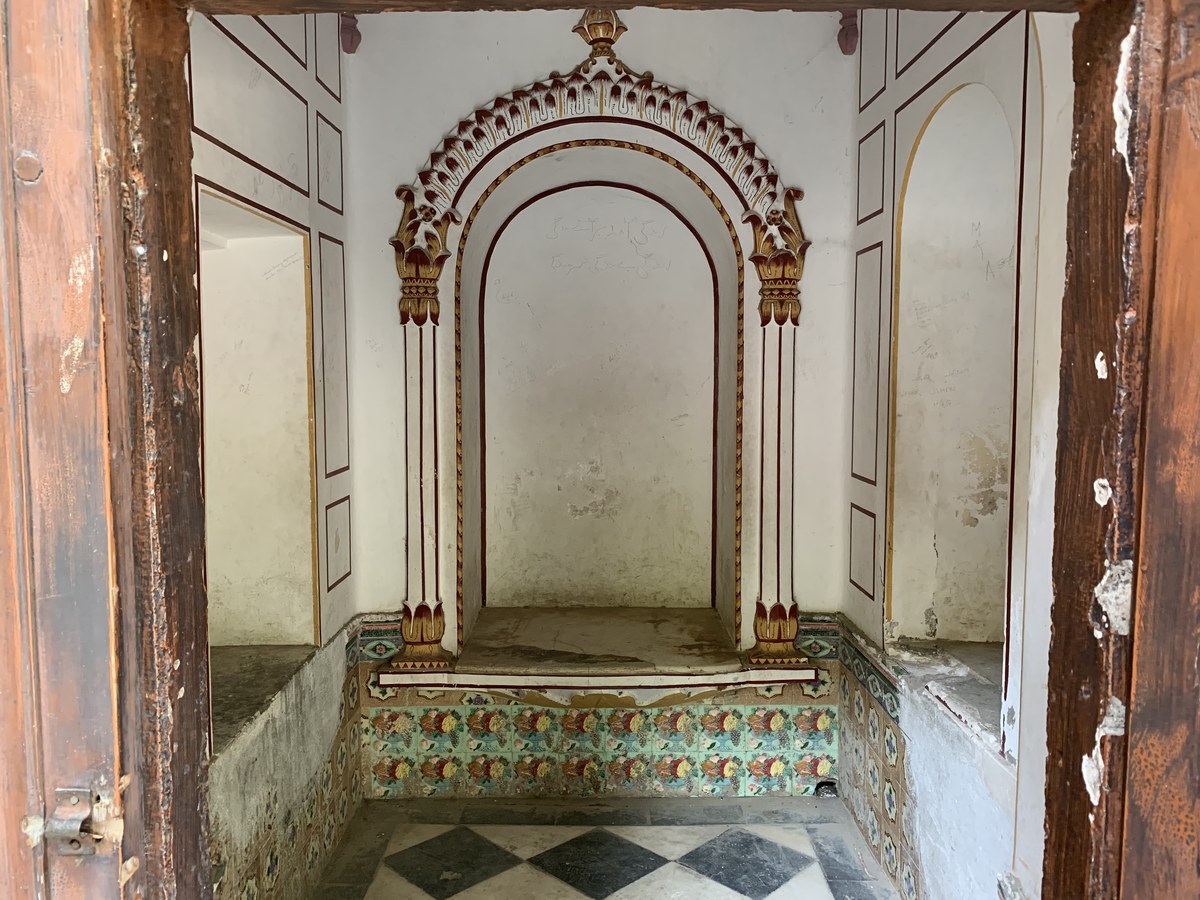
Inside view of a Hindu temple in the centuries-old Saidpur Village in Islamabad, Pakistan on July 6, 2020. [Arab News photo by Aamir Saeed]
“The government has apparently preserved the site as heritage, but is violating its sanctity by allowing restaurants and shops to operate on the premises,” Sawai Lal, a Hindu rights activist, told Arab News on Tuesday.
Muhammad Anwar, a caretaker of the temple compound, said the area was now a “heritage site” and worship by Hindus was not allowed.

The beautifully carved door of a dharamshala, or resthouse for pilgrims, at the Saidpur village in Islamabad, Pakistan on July 6, 2020. [Arab News photo by Aamir Saeed]
“Sometimes people insist [they want] to offer prayers here, but we have to stop them,” Anwar said, standing next to the dilapidated building of the temple, it’s walls chipping white and gold paint.
Most of Pakistan’s minorities feel the state has failed to protect them, and argue that it sometimes even tolerates violence against them. But Hindus have once more come into the spotlight in recent weeks after authorities in Islamabad allegedly capitulated to pressure from politicians, media outlets and clerics to halt the construction of a new temple in the Pakistani capital. The boundary wall of the site was subsequently torn down by a mob last week.
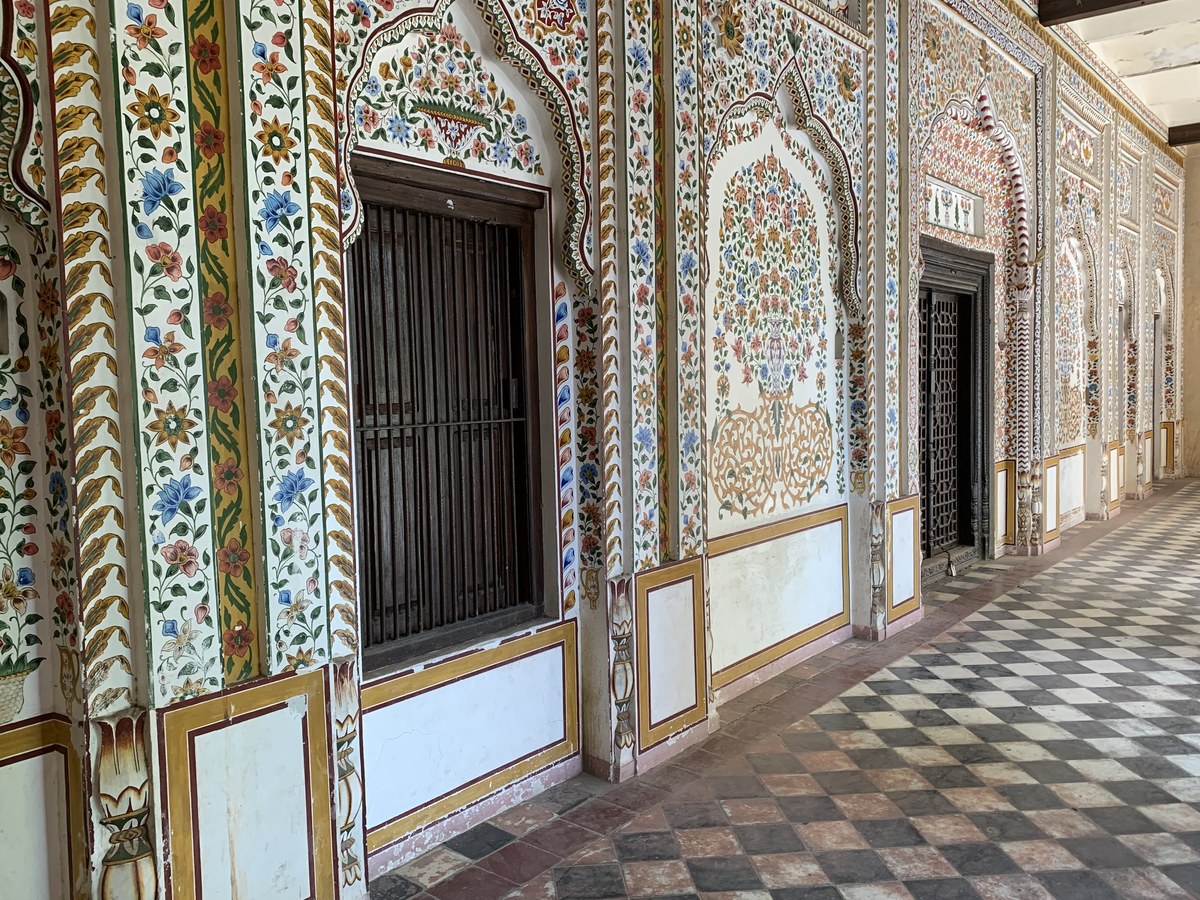
The beautifully carved door of a dharamshala, or resthouse for pilgrims, at the Saidpur village in Islamabad, Pakistan on July 6, 2020. [Arab News photo by Aamir Saeed]
Minorities make up a small fraction of the 220 million strong Muslim-majority country. Muhammad Ali Jinnah, who founded the nation in 1947 as a safehaven for the Muslims of then united India, promised minorities they would enjoy freedom of worship and equality without discrimination.
But for many members of Pakistan’s minorities, that promise now rings hollow.
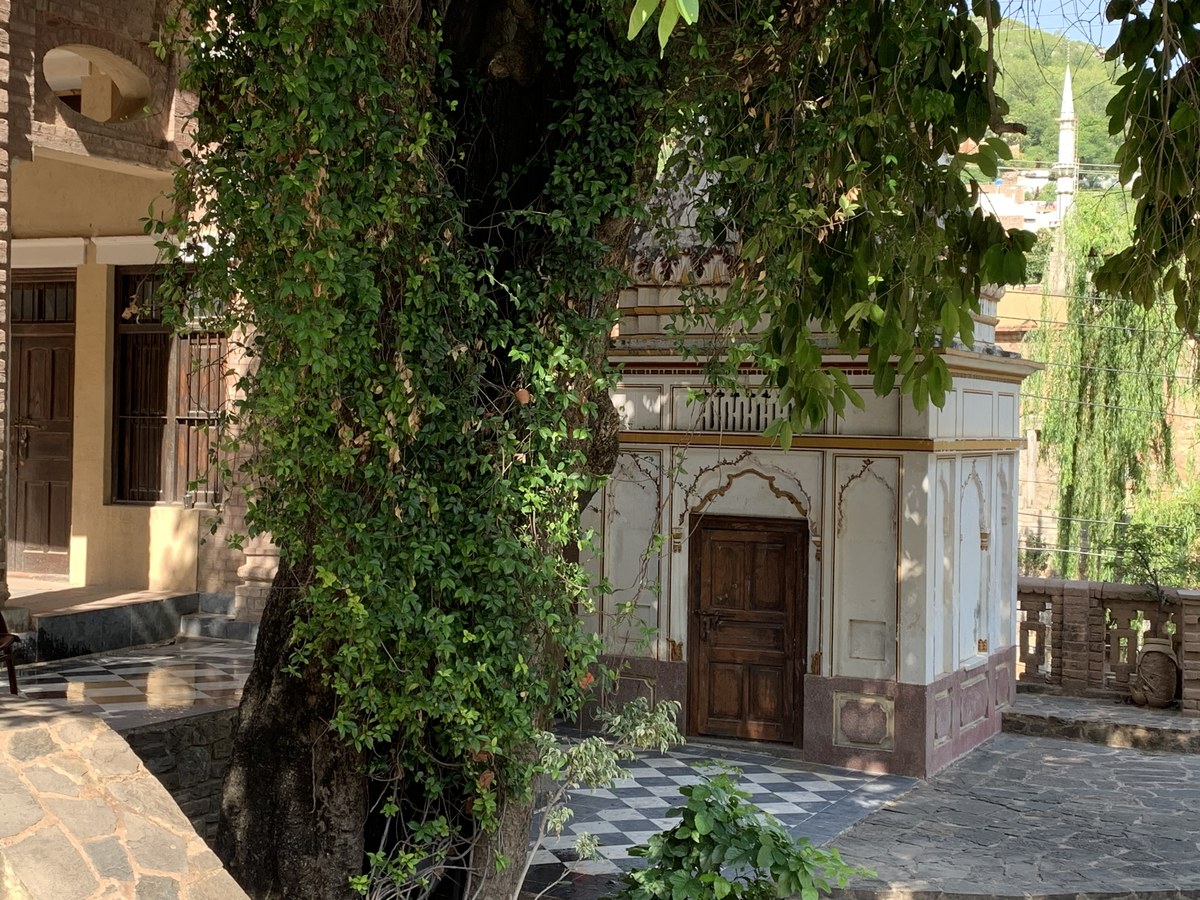
The outside view of a Hindu temple in Saidpur village in Islamabad, Pakistan on July 6, 2020. [Arab News photo by Aamir Saeed]
“We are feeling threatened after some fanatics tried to vandalize our temple site in Islamabad,” Lal said, referring to the halting of construction of the new Islamabad temple, and adding that there were currently no functioning Hindu temples for Islamabda’s 3,000 Hindus.
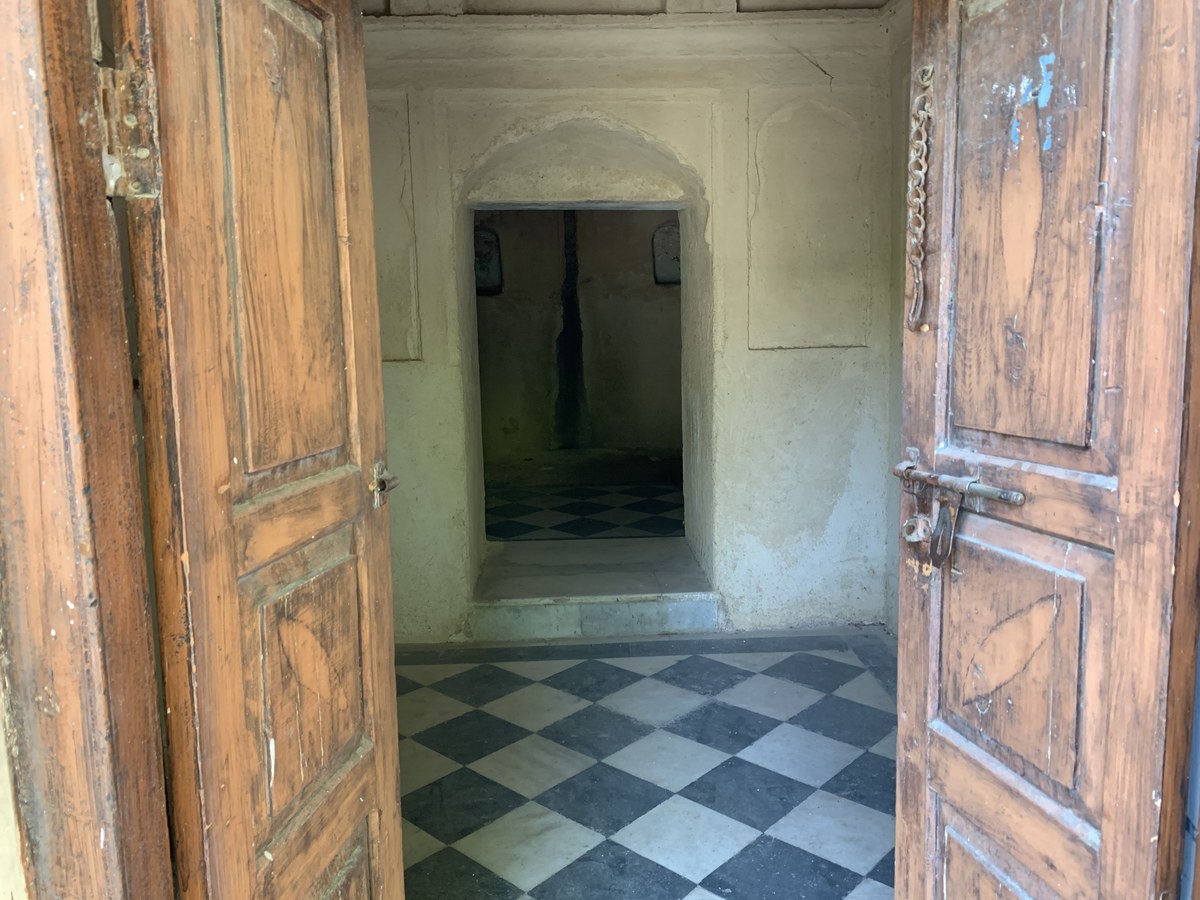
Inside view of a Sikh gurdwara in the centuries-old Saidpur village in Islamabad, Pakistan on July 6, 2020. [Arab News photo by Aamir Saeed]
Islamabad was purpose-built in 1960 on the border of the Punjab plains, a small city with wide boulevards and lots of greenery. It was in the same year that the Rama Mandir Temple complex was converted into a girls school. After years of protests by the Hindu community, the school was moved to another location and the temple finally vacated in 2006.
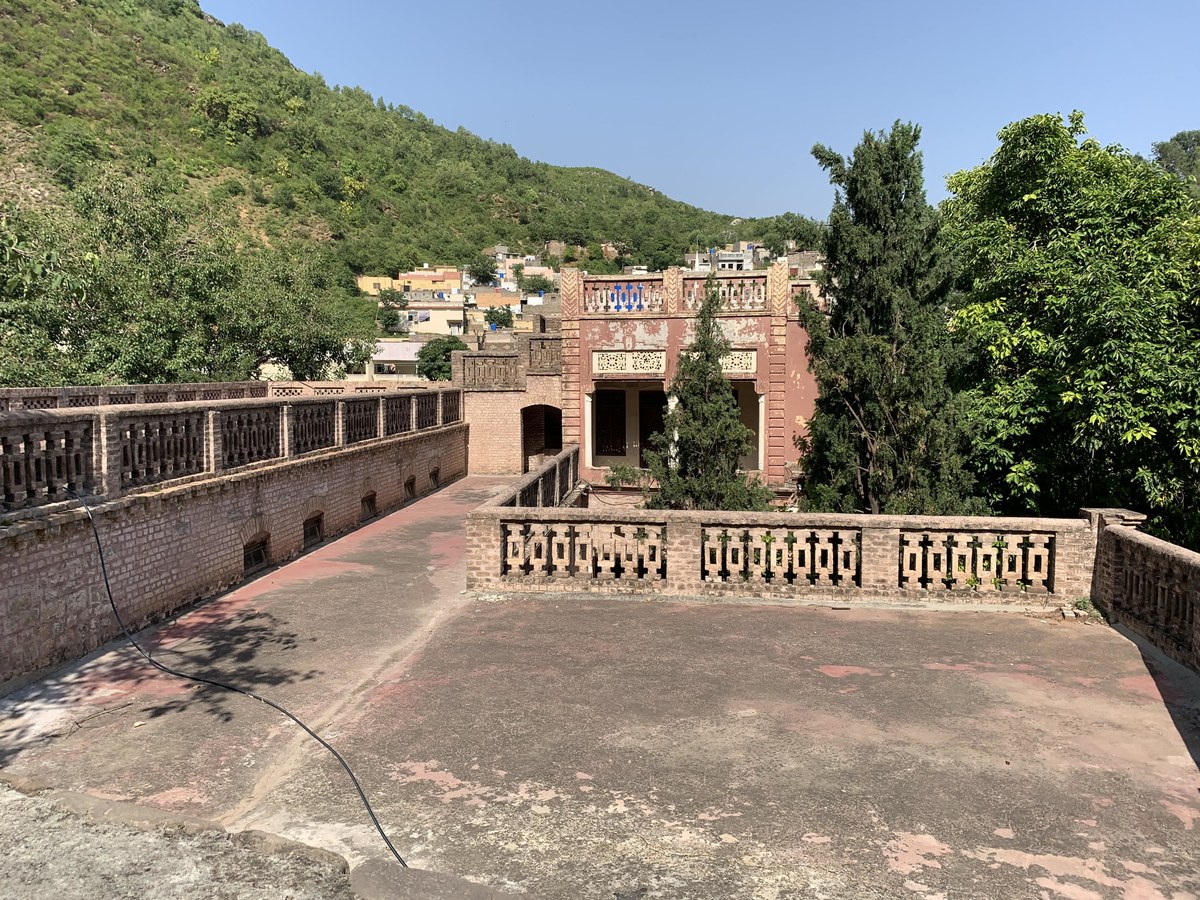
The rooftop of a complex in Saidpur village which houses a Hindu temple, Sikh gurdwara and a dharamshala, a popular tourist attraction in Islamabad, Pakistan on July 6, 2020. [Arab News photo by Aamir Saeed]
But Hindus were still not allowed to worship there. Ramesh Kumar Vankwani, patron-in-chief of the Pakistan Hindu Council, said only 31 out of a total 1,288 Hindu temples registered with the Evacuee Trust Property Board were currently functioning. The Board is responsible for the maintenance of properties abandoned by people who left for India during India’s partition.
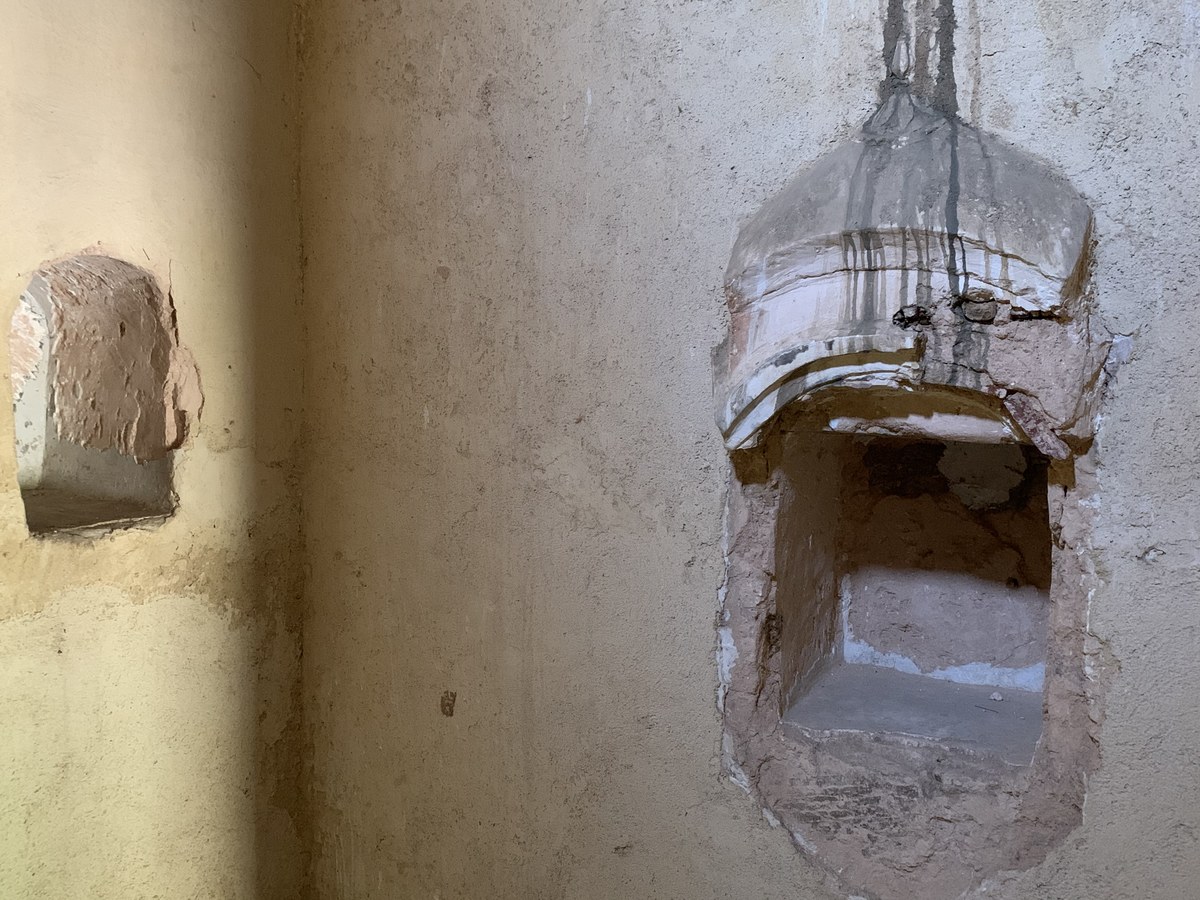
Inside view of a Sikh gurdwara in the centuries-old Saidpur village in Islamabad, Pakistan on July 6, 2020. [Arab News photo by Aamir Saeed]
“We should be allowed to rehabilitate our existing temples,” Vankwani said.
As construction began on the new temple in the capital last week, the hopes of the beleaguered community were revived, Hindu leaders said. But now, they await final approval from the prime minister so that construction can once more begin.
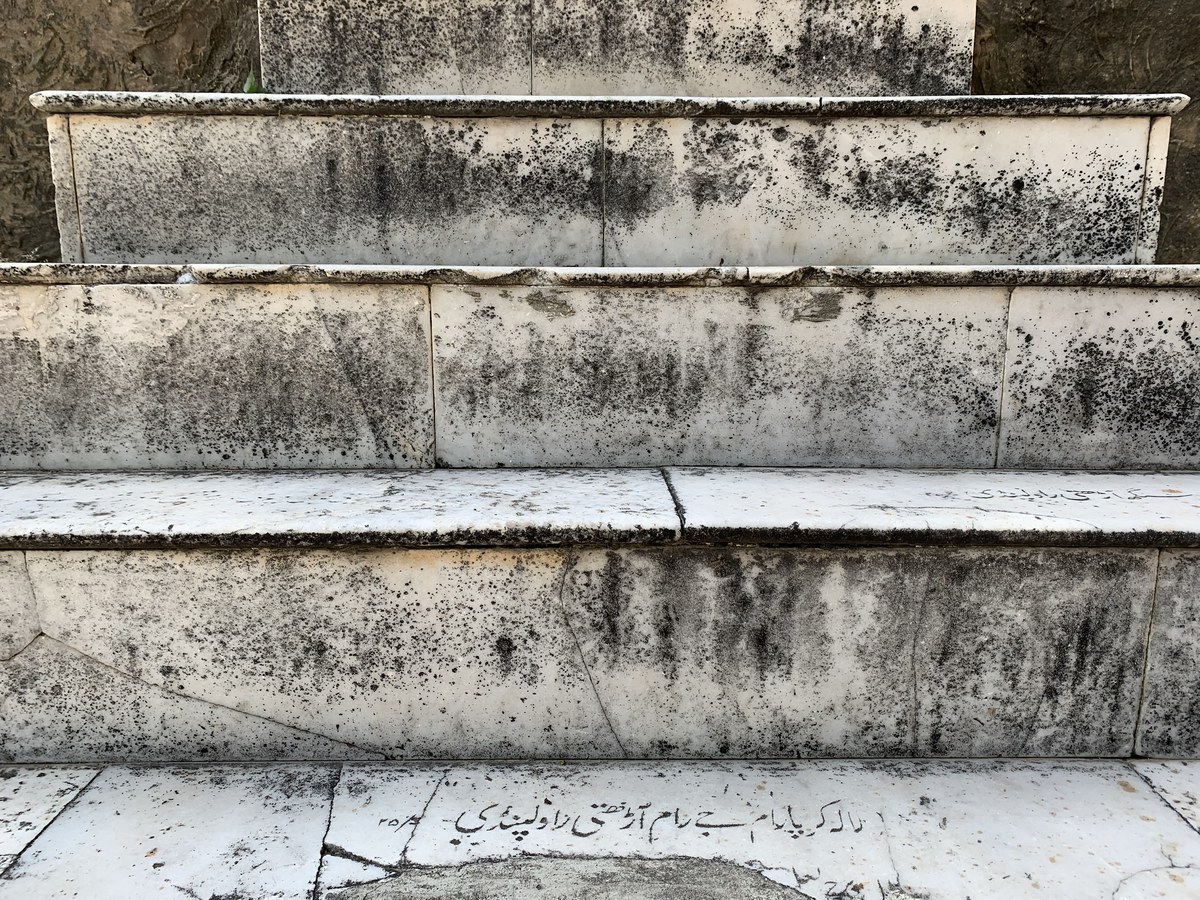
A stairway leads up to a Sikh temple in Saidpur village in Islamabad, Pakistan on July 6, 2020. [Arab News photo by Aamir Saeed]
“Prime Minister Imran Khan has made repeated commitments to protect Pakistan’s religious minorities,” said Omar Waraich, Head of South Asia at Amnesty International. “Prime Minister Imran Khan must lend his commitments to religious freedom for all some weight and ensure that Pakistan’s Hindus and other religious minorities are able to practice their faith freely and without fear.”


