GENEVA: The UN said on Tuesday Myanmar’s junta was using violence and intimidation to force people to vote in upcoming military-controlled elections, while armed opposition groups were using similar tactics to keep people away.
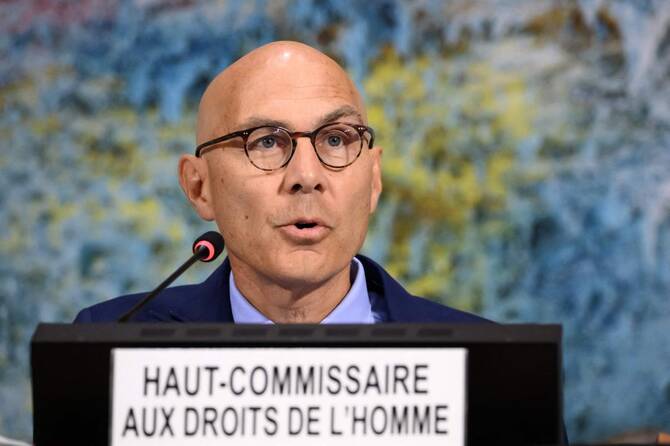
“The military authorities in Myanmar must stop using brutal violence to compel people to vote and stop arresting people for expressing any dissenting views,” United Nations rights chief Volker Turk said in a statement.
Myanmar’s junta is set to preside over voting starting Sunday, touting heavily restricted polls as a return to democracy five years after it ousted the last elected government, triggering civil war.
But former civilian leader Aung San Suu Kyi remains jailed and her hugely popular party dissolved after soldiers ended the nation’s decade-long democratic experiment in February 2021.
International monitors have dismissed the phased month-long vote as a rebranding of martial rule.
Turk, who last month told AFP that holding elections in Myanmar under the current circumstances was “unfathomable,” warned Tuesday that civilians were being threatened by both the military authorities and armed opposition groups over their participation in the polls.
His statement highlighted the dozens of individuals who have reportedly been detained under an “election protection law” for exercising their freedom of expression.
Many had been slapped with “extremely harsh sentences,” the statement said, pointing to three youths in Hlainghaya Township in the Yangon region who were sentenced to between 42 and 49 years behind bars for hanging up anti-election posters.
The UN rights office said it had also received reports from displaced people in several parts of the country, including the Mandalay region, who had been warned they would be attacked or their homes seized if they did not return to vote.
“Forcing displaced people to undertake unsafe and involuntary returns is a human rights violation,” Turk stressed.
He said that people were also facing “serious threats” from armed groups opposing the military, including nine women teachers from Kyaikto who were reportedly abducted last month while traveling to attend a training on the ballot.
They were then “released with warnings from the perpetrators,” the statement said.
It also pointed to how the self-declared Yangon Army bombed administration offices in Hlegu and North Okkalapa townships in the Yangon region, injuring several election staff, and had vowed to “keep attacking election organizers.”
“These elections are clearly taking place in an environment of violence and repression,” Turk said.
“There are no conditions for the exercise of the rights of freedom of expression, association or peaceful assembly that allow for the free and meaningful participation of the people.”


![]()

UN says Myanmar junta using ‘brutal violence’ to force people to vote
Short Url
https://arab.news/5akbc
UN says Myanmar junta using ‘brutal violence’ to force people to vote
- International monitors have dismissed the phased month-long vote as a rebranding of martial rule
- Turk warned Tuesday that civilians were being threatened by both the military authorities and armed opposition groups over their participation in the polls
Latest updates





© 2026 SAUDI RESEARCH & PUBLISHING COMPANY, All Rights Reserved And subject to Terms of Use Agreement.