

Oil falls below $43 a barrel on coronavirus fears

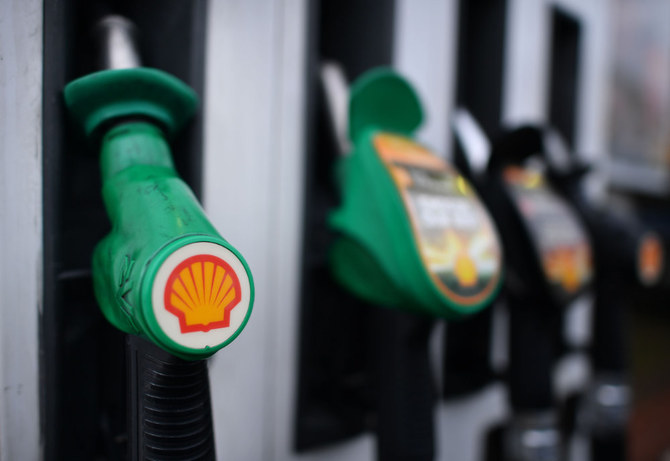
A resurgence of coronavirus cases worldwide has brought down oil prices to below $43 a barrel on Friday amid concern that fuel demand growth could stall. (AFP file photo)
Short Url
Updated 04 July 2020
Follow

Oil falls below $43 a barrel on coronavirus fears

  • Brent has more than doubled from a 21-year low below $16 reached in April

LONDON: Oil fell below $43 a barrel on Friday as a resurgence of coronavirus cases raised concern that fuel demand growth could stall, although crude was still headed for a weekly gain on lower supply and wider signs of economic recovery.

The US reported more than 55,000 new coronavirus cases on Thursday, a new daily global record for the pandemic. The rise in cases suggested US jobs growth, which jumped in June, could suffer a setback.

“If this trend continues, oil demand in the region is at risk,” said Louise Dickson of Rystad Energy.

Brent crude was down 56 cents, or 1.3 percent, at $42.58 a barrel in early afternoon trade in London and US West Texas Intermediate (WTI) crude fell 58 cents, or 1.4 percent, to $40.07.

“The fragile US economic rebound is at risk of being undone by the latest surge in new infections,” said Stephen Brennock of oil broker PVM.

Signs of economic recovery, and a drop in supply after a record supply cut by the Organization of the Petroleum Exporting Countries and allies, known as OPEC+, have helped Brent more than double from a 21-year low below $16 reached in April.

Boosting recovery hopes, a private survey showed on Friday that China’s services sector expanded at the fastest pace in over a decade in June.

OPEC oil production fell to its lowest in decades in June and Russian production has dropped to near its OPEC+ target.

The bankruptcy filing of US shale pioneer Chesapeake Energy also supported prices by raising expectations production will decline, JBC Energy said in a report.

Gasoline demand will be closely watched as the US heads into the July 4 holiday weekend. 


Oman property price index jumps 17.3% in Q3 

Updated 28 December 2025
Follow

Oman property price index jumps 17.3% in Q3 

JEDDAH: Oman’s real estate price index recorded a 17.3 percent increase in the third quarter of 2025 compared with the same period in 2024, according to official data. 

The commercial property price index rose 14.6 percent, driven by a 19 percent increase in commercial land prices, while the cost of commercial shops fell by 8.5 percent, as per the country’s National Centre for Statistics and Information, or NCSI, based on figures from the Ministry of Housing and Urban Planning. 

Industrial land prices posted a moderate increase of 5.5 percent, while residential property prices recorded stronger growth of 18.7 percent year on year, the Oman News Agency reported. 

The rise in Oman’s real estate price index comes amid broader momentum across Gulf property markets, where residential activity remained resilient in the third quarter of 2025. Higher demand in major cities across the region, supported by population growth and ongoing infrastructure investment, helped underpin price gains, even as some markets faced tighter financing conditions. 

“As for the residential property price index, it achieved clear growth in the third quarter of 2025, with a rate of 18.7 percent compared to the third quarter of 2024, as residential land prices increased by 19.6 percent, residential apartments by 22.4 percent, in addition to the growth of villa prices by 16.5 percent, while the prices of other houses decreased by 0.5 percent,” the ONA report stated. 

Oman’s residential land prices climbed 19.6 percent, with apartments rising by 22.4 percent, while villas increased by 16.5 percent. Prices of other types of houses saw a slight decline of 0.5 percent. 

At the governorate level, Muscat recorded the highest increase in residential land prices at 48.3 percent, followed by Musandam at 29.7 percent, Al-Dakhiliyah at 12.3 percent, Al-Batinah South at 8.7 percent, North Al Batinah at 8.1 percent, and Dhofar at 4 percent. 

On the other hand, some governorates saw declines in residential land prices, with Al-Dhahirah down 25.8 percent, Al-Buraimi down 24.6 percent, Al-Wusta down 13.3 percent, Al-Sharqiyah North down 4 percent, and Al-Sharqiyah South down 2.2 percent. 

“This increase reflects continued demand in Oman’s real estate market, with residential properties in Muscat and Musandam driving much of the growth,” the ONA report added. 

The data also show clear differences across regions, with price gains concentrated in major urban areas. Strong demand in Muscat and coastal governorates was supported by population growth, investment, and infrastructure spending, while some interior regions recorded declines as market activity softened.