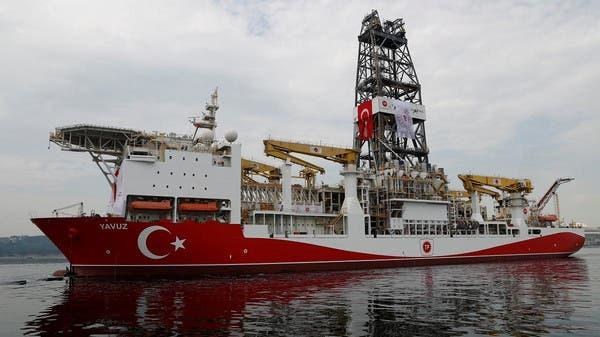
BRUSSELS: A Turkish warship prevented the EU’s new naval mission enforcing the Libya arms embargo from checking a suspect freighter off the war-torn country’s coast, European sources said Thursday.
A Greek navy ship working under Operation Irini tried to check a cargo vessel off the Libyan coast on Wednesday but was warned off by its Turkish military escort, according to media reports in Turkey and Greece.
Peter Stano, foreign affairs spokesman for the EU, confirmed that the Irini vessel had tried to hail the freighter but “the response was not affirmative” and the inspection could not proceed.
“We are now in the process of further verification of information and reasons given for this behavior,” Stano said.
Operation Irini was set up to halt the flow of arms into Libya, where the UN-recognized Government of National Accord (GNA) has faced a major uprising by the forces of strongman Khalifa Haftar — who is supported by Russia.
Turkey has strongly backed the Tripoli-based GNA, which in recent weeks has recaptured all remaining outposts in western Libya from pro-Haftar loyalists, who had sought to seize the capital in a 14-month offensive.
Since it began operations last month, Irini has hailed more than 75 vessels for inspection, Stano said, though he did not say how many had been successful.
Without the consent of the ship in question — or its escort — Operation Irini cannot board a vessel to inspect its cargo, Stano said.
Instead, it refers cases to a panel of UN experts.
Libya has been mired in chaos since the 2011 uprising that toppled and later killed longtime dictator Muammar Qaddafi.
Earlier this week EU diplomatic chief Josep Borrell and the foreign ministers of France, Germany and Italy called for a cease-fire as well as the withdrawal of all foreign forces and mercenaries.


![]()

Turkey blocked EU embargo check on ship near Libya
Short Url
https://arab.news/y467b
Turkey blocked EU embargo check on ship near Libya
- Turkey prevented the EU’s new naval mission from checking a suspect freighter off the Libyan coast
- Libya has been mired in chaos since the 2011 uprising that toppled Qaddafi

Latest updates




Recommended


© 2026 SAUDI RESEARCH & PUBLISHING COMPANY, All Rights Reserved And subject to Terms of Use Agreement.