

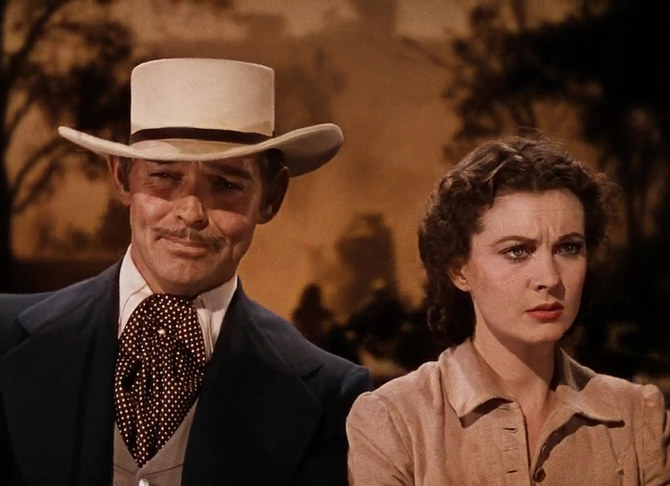
‘Gone with the Wind’ removed from HBO Max after racism protests

“Gone with the Wind” was removed from the HBO Max streaming platform. Supplied
Short Url
Updated 10 June 2020
Follow

‘Gone with the Wind’ removed from HBO Max after racism protests

LOS ANGELES: “Gone with the Wind” was removed from the HBO Max streaming platform Tuesday, as mass protests against racism and police brutality prompt television networks to reassess their offerings.

The multiple Oscar-winning US Civil War epic released in 1939 remains the highest-grossing movie of all time adjusted for inflation, but its depiction of contented slaves and heroic slaveholders has garnered criticism.

“‘Gone With The Wind’ is a product of its time and depicts some of the ethnic and racial prejudices that have, unfortunately, been commonplace in American society," an HBO Max spokesperson said in a statement to AFP.
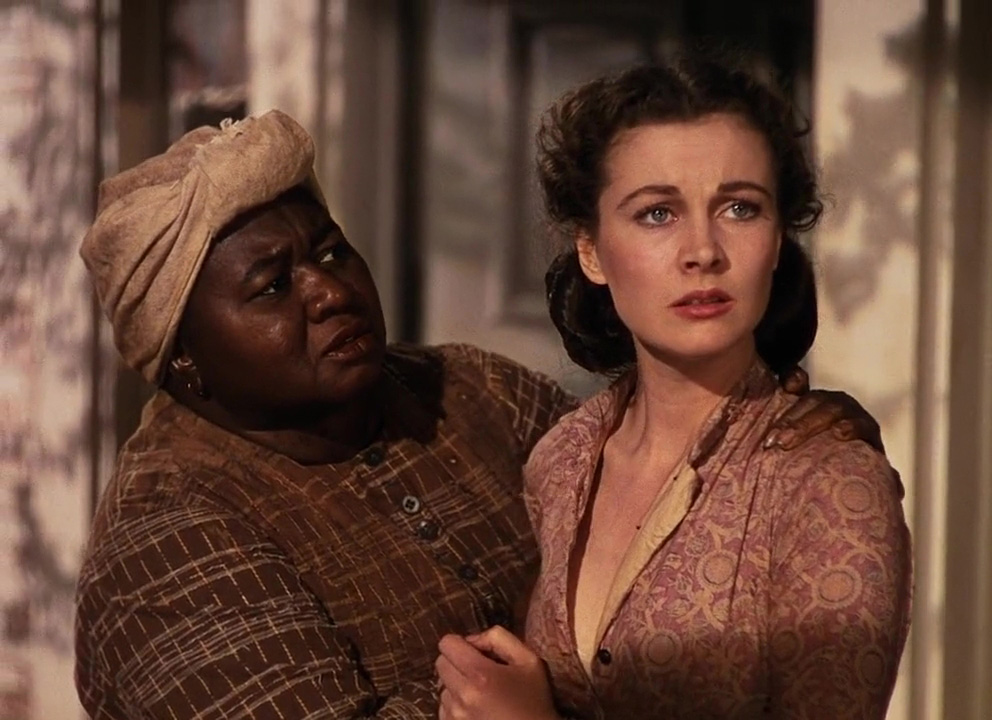


The multiple Oscar-winning US Civil War epic released in 1939 remains the highest-grossing movie of all time adjusted for inflation. Supplied

“These racist depictions were wrong then and are wrong today, and we felt that to keep this title up without an explanation and a denouncement of those depictions would be irresponsible.”

Demonstrations have swept the United States since the May 25 killing of African American George Floyd while in police custody, with calls growing for police reform and the broader removal of symbols of a racist legacy, including monuments to the slave-holding Confederacy.

Floyd died last month as a white Minneapolis officer pressed a knee into his neck for almost nine minutes. The officer has been charged with second-degree murder.

“12 Years A Slave” writer John Ridley said in a Los Angeles Times op-ed Monday that “Gone with the Wind” must be removed as it “doesn't just ‘fall short’ with regard to representation” but ignores the horrors of slavery and perpetuates “some of the most painful stereotypes of people of color.”
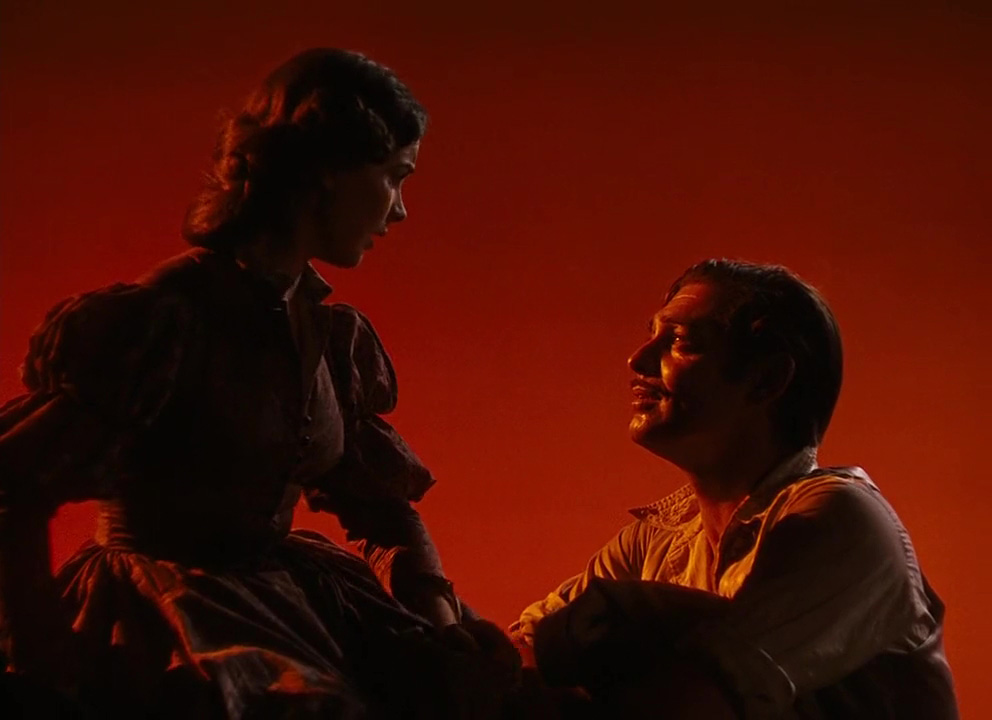


The film will return to the recently launched streaming platform at a later date. Supplied

The film will return to the recently launched streaming platform at a later date, along with a discussion of its historical context, the company said.

No edits will be made, “because to do otherwise would be the same as claiming these prejudices never existed.”

“If we are to create a more just, equitable and inclusive future, we must first acknowledge and understand our history.”


Nationalist Bollywood hit ‘Dhurandhar’ ignites India-Pakistan controversy

Updated 08 January 2026
Follow

Nationalist Bollywood hit ‘Dhurandhar’ ignites India-Pakistan controversy

  • Movie stars Ranveer Singh as an Indian intelligence agent who infiltrates alleged criminal networks in Karachi
  • Film has drawn sharp criticism from Pakistani officials while becoming one of the year’s biggest hits in India

A Bollywood spy thriller set in Pakistan has sparked heated debate across both countries over its portrayal of cross-border tensions, even as the film breaks box office records in India amid a surge in nationalist cinema.

“Dhurandhar,” starring Ranveer Singh as an Indian intelligence agent infiltrating criminal networks in Pakistan’s Karachi, has drawn sharp criticism from Pakistani officials and some international critics while becoming one of the year’s biggest commercial hits in India.

The 3.5-hour film, directed by Aditya Dhar, weaves real historical events including the 1999 plane hijacking, the 2001 Parliament attack, and the 2008 Mumbai attacks into a fictional narrative about an Indian spy’s mission to dismantle alleged links between Karachi gangs and terror networks.

Released Dec. 5 with minimal publicity, “Dhurandhar” has grossed more than 12.15 billion rupees ($134.76 million) in ticket sales, making it the highest-grossing Bollywood film last year. 

“It is a unique thing. Most films are set in India, but in this film, a RAW agent infiltrates Pakistan and is living there, hiding his identity, and the film portrays all of that through this setup, about Karachi and everything. That’s why it is such a good film. I mean, it is very important to watch this film,” said movie-goer Naresh Kumar.

The film represents a growing trend in Indian cinema toward nationalist blockbusters that align with Prime Minister Narendra Modi’s policies, following controversial hits like “The Kashmir Files” and “The Kerala Story” that sparked debates over historical accuracy while achieving commercial success.

In India, some film critics faced online harassment for negative reviews, prompting the Film Critics Guild to condemn “targeted attacks” against reviewers.

“Films that evoke patriotic fervor among audiences generally do well, but that is not to say that any film with this kind of subject would have done well,” said Bollywood film analyst Komal Nahta. “Everything seems to have gone right with the film.” 

The controversy highlights how cinema continues to reflect decades-old tensions between the nuclear-armed neighbors, who have fought four wars since partition in 1947. Fighting erupted between the countries in May following an attack on tourists in Kashmir that India blamed on Pakistan-backed militants.

In Pakistan’s Lyari neighborhood, which was depicted in the film, residents criticized the portrayal as inaccurate.

“It is a completely baseless movie because our neighboring country doesn’t know anything about our country,” said Mohammad Zohaib, a Lyari resident and burger shop owner. “They don’t know anything about Lyari, so how can they make a completely realistic film about someone?” 

The Pakistan Peoples Party filed legal action in a Karachi court last month over the film’s unauthorized use of assassinated former Prime Minister Benazir Bhutto’s image and its portrayal of party leaders as terrorist sympathizers.

“About 10 percent of what has been shown in the movie is reality, 90 percent is not real,” said Khizer Abdul Wahid, a Lyari resident and beauty salon owner.

Pakistan banned Indian films in 2019, but Bollywood remains popular there with audiences using VPNs or illegal downloads to watch new releases.

Theatre admissions in India have fallen 45 percent since their 2018 peak of 1.58 billion, according to Ernst and Young, as streaming services offer content that complements cheap mobile data available to most Indians.

Even global hits like the latest Avatar film struggled to secure screens due to “Dhurandhar’s” strong showing, analysts said.