

Saudi Arabia announces 14 more deaths from COVID-19 

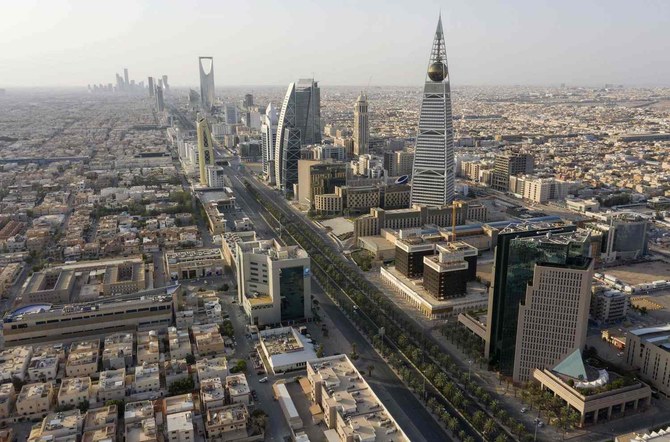
An aerial view shows a deserted highway due to the COVID-19 pandemic, on the first day of the Eid Al-Fitr feast marking the end of Ramadan in Riyadh, on May 24, 2020. (AFP)
Short Url
Updated 27 May 2020
Follow

Saudi Arabia announces 14 more deaths from COVID-19 

  • Saudi Arabia announced 14 more deaths from COVID-19 and 1,815 new cases
  • 739 were recorded in Riyadh, 325 in Jeddah and 162 in Makkah

RIYADH: Saudi Arabia announced 14 more deaths from COVID-19 and 1,815 new cases of the disease on Wednesday. 

Of the new cases, 739 were recorded in Riyadh, 325 in Jeddah, 162 in Makkah, 118 in Hufof and 74 in Dammam. 

The health ministry also announced that 2,572 more patients had recovered from the coronavirus, bringing the total number of people who have recovered in the Kingdom to 51,022.

A total of 425 people have died from COVID-19 in the Kingdom so far.


First Saudi State’s economy laid foundation for modern stability

Updated 23 February 2026
Follow

First Saudi State’s economy laid foundation for modern stability

  • Revived commerce in Arabian Peninsula, according to historian
  • Diriyah highlighted as premier political and commercial center

RIYADH: The economy of the First Saudi State served as a fundamental pillar in building the nation, consolidating its influence, and ensuring its stability, the Saudi Press Agency reported recently.

The main features of this economy is outlined in the book “Diriyah: Origins and Development during the First Saudi State,” by Dr. Abdullah Al-Saleh Al-Othaimeen, the SPA reported.

The measures taken in those early days helped to ensure security, unify regions, and organize society. This assisted in stimulating trade, stabilizing markets, and enhancing life in Diriyah and surrounding areas.


Beyond its political and intellectual prominence, Diriyah emerged as a vibrant economic hub. (SPA)

The book, published by the King Abdulaziz Foundation for Research and Archives, outlines how these actions facilitated the arrival of caravans, secured vast trade routes, and revived commerce across the Arabian Peninsula.

Beyond its political and intellectual prominence, Diriyah emerged as a vibrant economic hub. Its markets attracted merchants and students from across the region.

The local community relied on diverse activities including trade, agriculture, and livestock breeding, with horses and camels playing crucial roles in transportation, commerce, and securing roads.

Economic growth during this founding phase “solidified Diriyah’s position as a premier political and commercial center in the Arabian Peninsula,” the SPA reported