

Lebanon at risk of major food crisis, PM warns

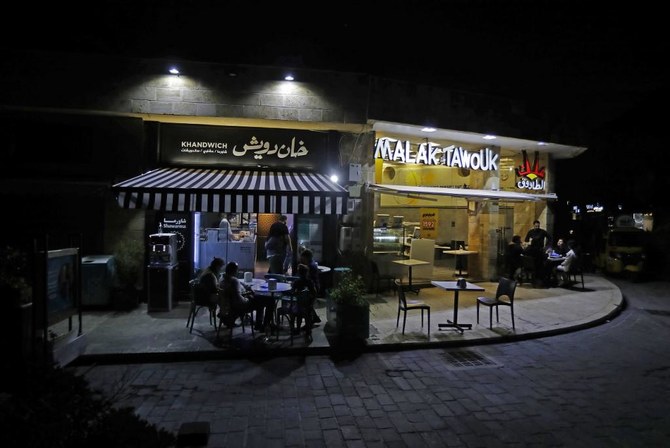
Hassan Diab also warned of a global food security emergency triggered by the pandemic. (File/AFP)
Short Url
Updated 22 May 2020
Follow

Lebanon at risk of major food crisis, PM warns

  • Imported food prices had more than doubled since the start of 2020
  • Eighty percent of Lebanon’s wheat had been coming from Ukraine and Russia

BEIRUT: Lebanon is at risk of a major food crisis and many Lebanese may soon find it hard to afford bread because of an acute financial crunch and the fall-out of COVID-19, the prime minister warned.
Writing in the Washington Post, Hassan Diab also warned of a global food security emergency triggered by the pandemic. He said attempts to restrict food exports must be resisted and called on the United States and the European Union to set up an emergency fund to help the Middle East avoid a severe crisis.
Otherwise, “starvation may spark a new migration flow to Europe and further destabilize the region,” he wrote.
Lebanon was in deep crisis even before COVID-19. The local currency has more than halved in value since October amid a hard currency liquidity shortage. Inflation and unemployment are soaring. Lebanon defaulted on its sovereign debt in March.

Opinion

This section contains relevant reference points, placed in (Opinion field)

Imported food prices had more than doubled since the start of 2020, Diab wrote. More than half of Lebanon’s food is imported.
“Once the breadbasket of the Eastern Mediterranean, Lebanon is facing a dramatic challenge that seemed unimaginable a decade ago: the risk of a major food crisis,” Diab wrote.
“A few weeks ago, Lebanon witnessed its first ‘hunger protests.’ Many Lebanese have already stopped buying meat, fruits and vegetables, and may soon find it difficult to afford even bread.”
Diab, who took office this year with backing from the Iran-backed Shiite group Hezbollah and its allies, also blamed decades of political mismanagement and corruption for a lack of investment in agriculture.
COVID-19 and lockdowns had “dramatically worsened the economic crisis and profoundly disrupted the food supply chain.”
Eighty percent of Lebanon’s wheat had been coming from Ukraine and Russia, but last month, Russia suspended wheat exports, while Ukraine is considering a similar move, he said.


Iraq welcomes the appointment of Iran’s new supreme leader

Updated 5 sec ago
Follow

Iraq welcomes the appointment of Iran’s new supreme leader

  • Armed faction Kataeb Hezbollah said it reflects a profound understanding “of the existential challenges confronting the nation”

BAGHDAD: Iraq’s Prime Minister Mohammed Shia Al-Sudani welcomed on Monday the appointment of Mojtaba Khamenei as Iran’s new supreme leader after his predecessor and father was killed in US and Israeli strikes.
“We express our confidence in the ability of the new leadership in the Islamic Republic of Iran to manage this critical stage,” and to further strengthen “the unity of the Iranian people” amid the current challenges, Sudani said in a statement.
He stressed that Iraq stands in solidarity with Iran and supports “all steps aimed at ending the conflict.”
Iran wields significant influence in Iraqi politics, and also backs armed groups whose power has grown both politically and financially.
Iraq has for decades been a proxy battleground between the US and Iran.
Pro-Tehran Iraqi groups were among the first to welcome the new supreme leader.
The powerful Badr organization said the new leadership represents a “blessed continuity of the path of the Islamic revolution.”
The Asaib Ahl Al-Haq faction said choosing Mojtaba Khamenei shows continuity and “reinforcement of the Islamic republic’s role as a central pillar in the axis of resistance.”
Armed faction Kataeb Hezbollah said it reflects a profound understanding “of the existential challenges confronting the nation.”
“The best successor to the best predecessor,” said Kataeb Hezbollah, which is part of the Islamic Resistance of Iraq — a pro-Iran alliance that has been claiming attacks on US bases since the start of the war in the Middle East.
Senior Iraqi politician and moderate cleric Ammar Al-Hakim wished the new supreme leader “success in following the path of his martyred father... in upholding the word of truth.”