

Saudi Arabia keeping ‘all options open’ to deal with virus impact: Finance Minister

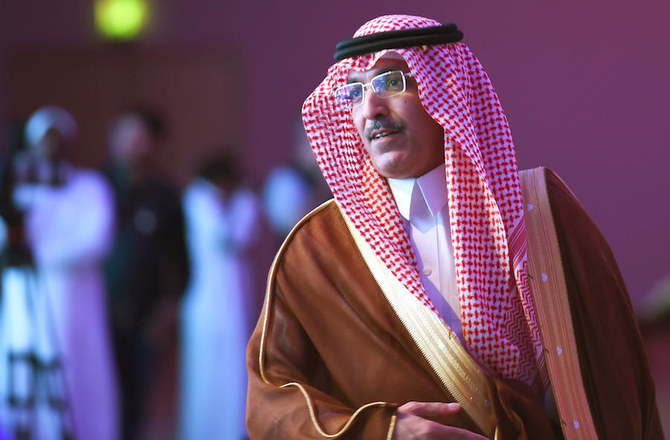
Saudi Minister of Finance Mohammed Al-Jadaan. (File/AFP)
Short Url
Updated 03 May 2020
Follow

Saudi Arabia keeping ‘all options open’ to deal with virus impact: Finance Minister

  • Al-Jadaan warns of strict, painful measures to overcome economic challenges
  • Says citizens’ welfare is top priority, but that some of the action taken will be “painful”


JEDDAH: The economic challenges of the coronavirus pandemic are great and neither Saudi Arabia nor the world will be the same when it is over, the Kingdom’s Finance Minister Mohammed Al-Jadaan said on Saturday.

Saudi Arabia would take strict and painful measures to deal with the impact, and “all options for dealing with the crisis are open,” the minister said in an interview with Al-Arabiya TV.

“We must reduce budget expenditures sharply,” Al-Jadaan said, and some government projects may be slowed down to reduce expenditure.

Al-Jadaan said that citizens’ welfare and their benefit is top priority, but that some of the action taken will be “painful, but for everyone’s benefit.”

“Current actions taken to date to cut spending are not enough, and Saudi public finances will need more control and the journey ahead is long.

Opinion

This section contains relevant reference points, placed in (Opinion field)

“Expenses must be reduced to cope with the fallout from coronavirus and we need to be careful not to increase the cost of debt.”

“We are currently reviewing a set of initiatives to support the economy, the private sector and the health sector. Revenues have declined dramatically and are expected to continue to decline over this year and possibly until the beginning of the next fiscal year. Therefore we must be prepared, economically and financially, to confront this pandemic.

“We have to plan for the worst, take matters seriously and shrink … in order to continue providing citizens and expats with services, and manage the government.”

Al-Jadaan said that the Kingdom released economic support packages valuing SAR180 billion ($47.8 billion), but that it had used up SAR1 trillion from its reserves over the past four years.

“The real impact of the coronavirus pandemic will appear in the second quarter, and we have to face a very big revenue shock,” he said.

“We must tighten the belt and come out of the crisis strong.”

The number of virus cases in the Kingdom reached 25,459 on Saturday, an increase of 1,362, and the death toll rose by seven to 176. Worldwide, the virus has infected nearly 3.5 million people, and killed more than 240,000.


Economic growth and resilience at heart of 2nd AlUla Emerging Market Economies Conference

Updated 03 February 2026
Follow

Economic growth and resilience at heart of 2nd AlUla Emerging Market Economies Conference

  • Event on Feb. 8 and 9 will bring together ministers, governors of central banks, policymakers, economic experts and international financial institutions
  • Emerging-market economies a ‘pivotal element’ in global economic system due to effect they have on growth and stability, says Saudi Finance Minister Mohammed Al-Jadaan

RIYADH: The second annual AlUla Conference for Emerging Market Economies, which Saudi Arabia will host next week, offers a platform to exchange views on global developments and discuss policies and reforms that support inclusive growth and strengthen economic resilience, the Kingdom’s finance minister said.

The event on Feb. 8 and 9 will bring together finance ministers, governors of central banks and policymakers, alongside economic experts and representatives of international financial institutions.

Organized by the Saudi Ministry of Finance in partnership with the International Monetary Fund, it takes place as emerging-market economies face mounting challenges amid rapid global economic change.

Finance Minister Mohammed Al-Jadaan said the decision to host the conference reflects Saudi Arabia’s ongoing commitment to efforts that support global financial and economic stability, and highlights the growing influence of emerging economies on worldwide growth.

Emerging-market economies represent a “pivotal element” in the global economic system due to the direct impact they have on economic growth and stability, he added.

“The AlUla Conference for Emerging Market Economies provides a unique platform for exchanging views on global economic developments, and discussing policies and reforms that will support inclusive growth and enhance economic resilience, in light of broader international cooperation that contributes to confronting common challenges,” Al-Jadaan said.

Kristalina Georgieva, managing director of the IMF, said the event would help emerging economies deal with growing uncertainty driven by technological change, demographic shifts and geopolitical tensions.

“The AlUla conference provides a vital platform for emerging economies to discuss how they can navigate the risks and embrace the opportunities ahead,” she said.

“In these times of sweeping transformations in the global economy, policymakers face a more challenging and uncertain environment. Countries should work together to strengthen resilience through sound macroeconomic and financial policies.”