- 30 percent more wildlife observed at Margalla Hills National Park
- Some of the animals that showed up are endangered species, which were feared to have disappeared from the region
ISLAMABAD: As human residents of Islamabad have retreated into their homes under coronavirus lockdown, wild animals feel emboldened to leave their lairs and make an appearance where they normally would not be expected.
Ironically, one of such places is their own habitat.
Suddenly freed from human encroachers, species which for long time have not been observed on the Margalla hills, have now emerged from their hideouts.
“We have seen approximately 30 percent more wildlife at Margalla Hills National Park,” Dr Anisur Rahman, chairman of the Islamabad Wildlife Management Board, told Arab News. "Wildlife was already there," he said, "But it was unobserved because of frequent human visits."
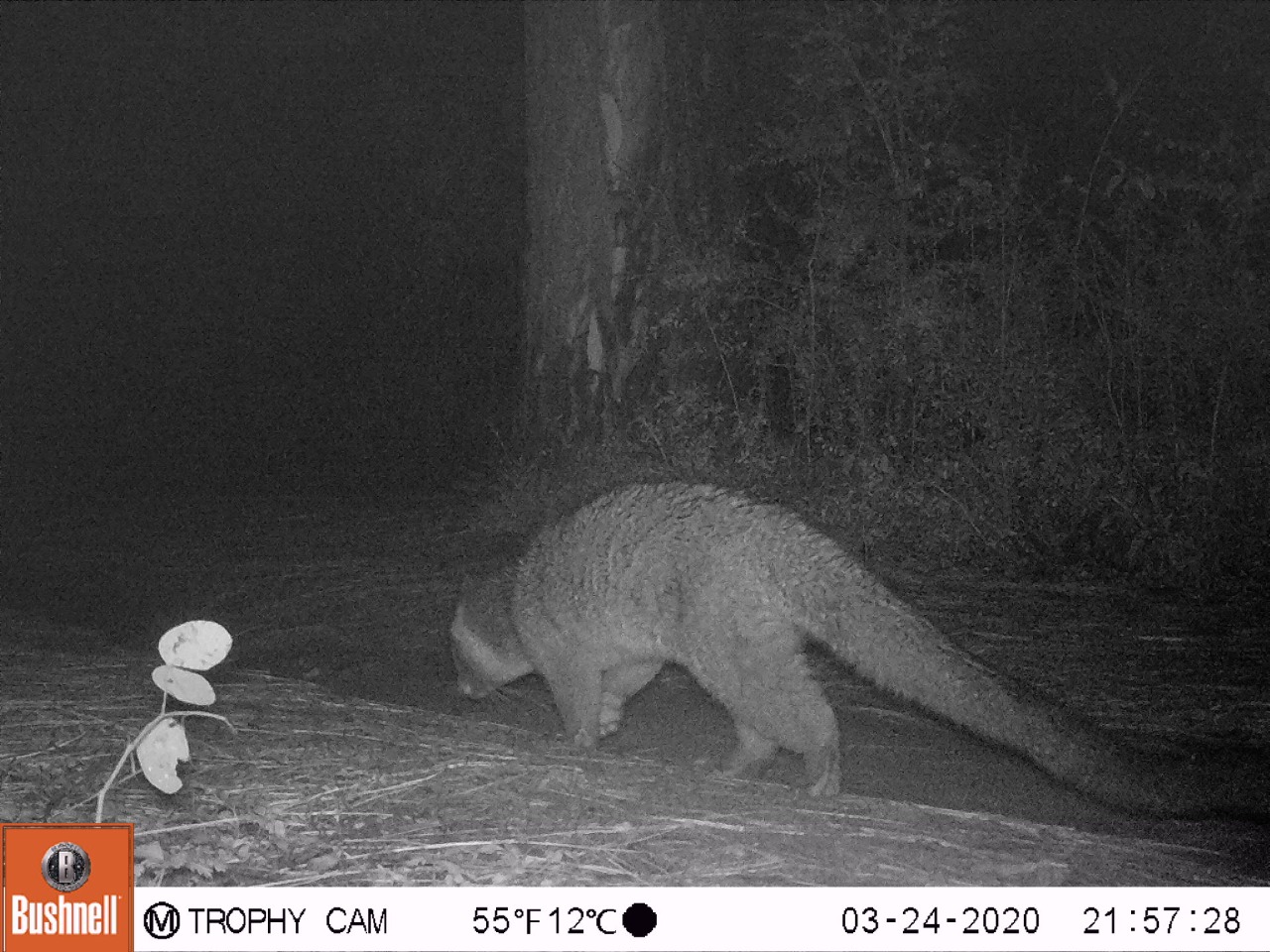
A palm civet is seen on a surveillance camera of the Islamabad Wildlife Management Board at Margalla Hills National Park in Islamabad on March 24, 2020. (Photo courtesy: Islamabad Wildlife Management Board)
The scenic park, which stretches on over 17,000 hectares, is one of the most popular leisure destinations for the Pakistani capital's dwellers, who every day disturb its original inhabitants with quite some foot and car traffic.
"There are three hiking trails and thousands of people each day used to go for walk on those trails. Also there are some popular restaurants in the middle of the park and hundreds of vehicles enter to reach them,” Rahman said.
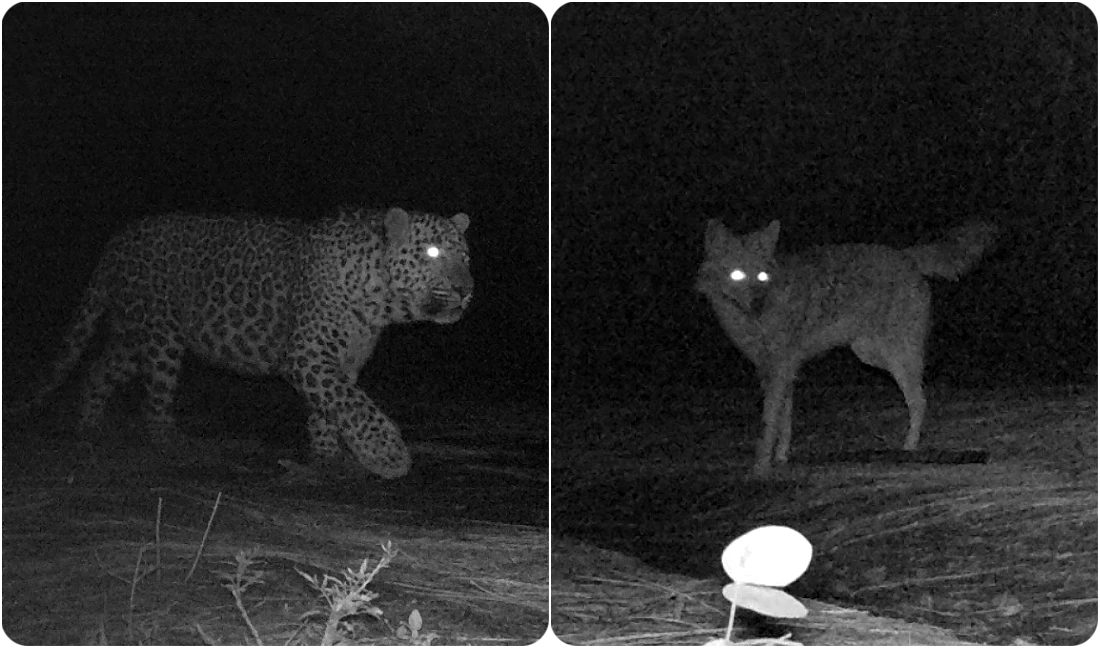
As for the past five weeks, the park has been closed for public visit, some of the animals that showed up amid human absence are endangered species, which were feared to have disappeared from the region. Among them is the leopard, one of the world’s most endangered big cats.
In late March, only days into the capital city's lockdown, Islamabad Wildlife Management Board cameras started to spot leopards. "We have seen three leopards in the park, and they all were in different locations, far away from each other," Rahman said, clarifying that these were three different cants, not just one recorded three times.
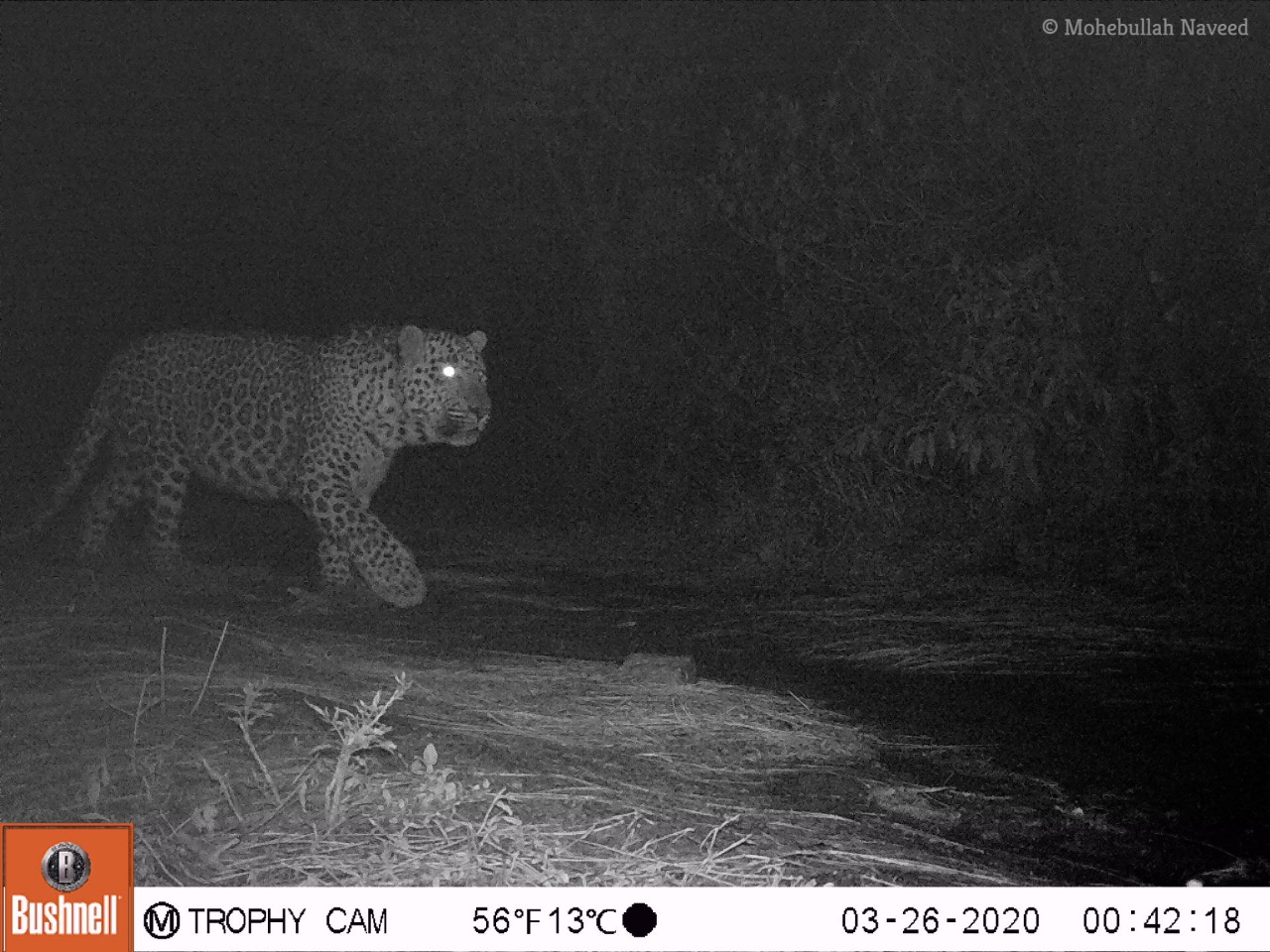
A leopard is spotted on camera at Margalla Hills National Park in Islamabad on March 26, 2020. (Photo courtesy: Islamabad Wildlife Management Board)
As they have left their hideouts, assured that people cannot see them, in a very short time the wildlife department was able to learn about the park's inhabitants and their behaviors much more than it would throughout years of research.
"The spring is mating season for birds, and during the lockdown we have captured on our cameras their rare mating dances," Rahman said, "Now we are in the process of analyzing all video footage and the department will be able to share some data or statistics on wildlife in coming weeks."
Social media posts about animals, especially monkey, frolicking through Islamabad's deserted streets have enchanted many people, creating an impression that nature is reclaiming what was hers. But reality is somewhat less romantic.
“We have seen an increase in the number of monkeys at the park and it just has no capacity to produce enough food for them," Rahman said, explaining that the monkeys now seen on the streets and entering private estates have been used to human food, on which leftovers they subsist when visitors come to the park and when its restaurants are open.
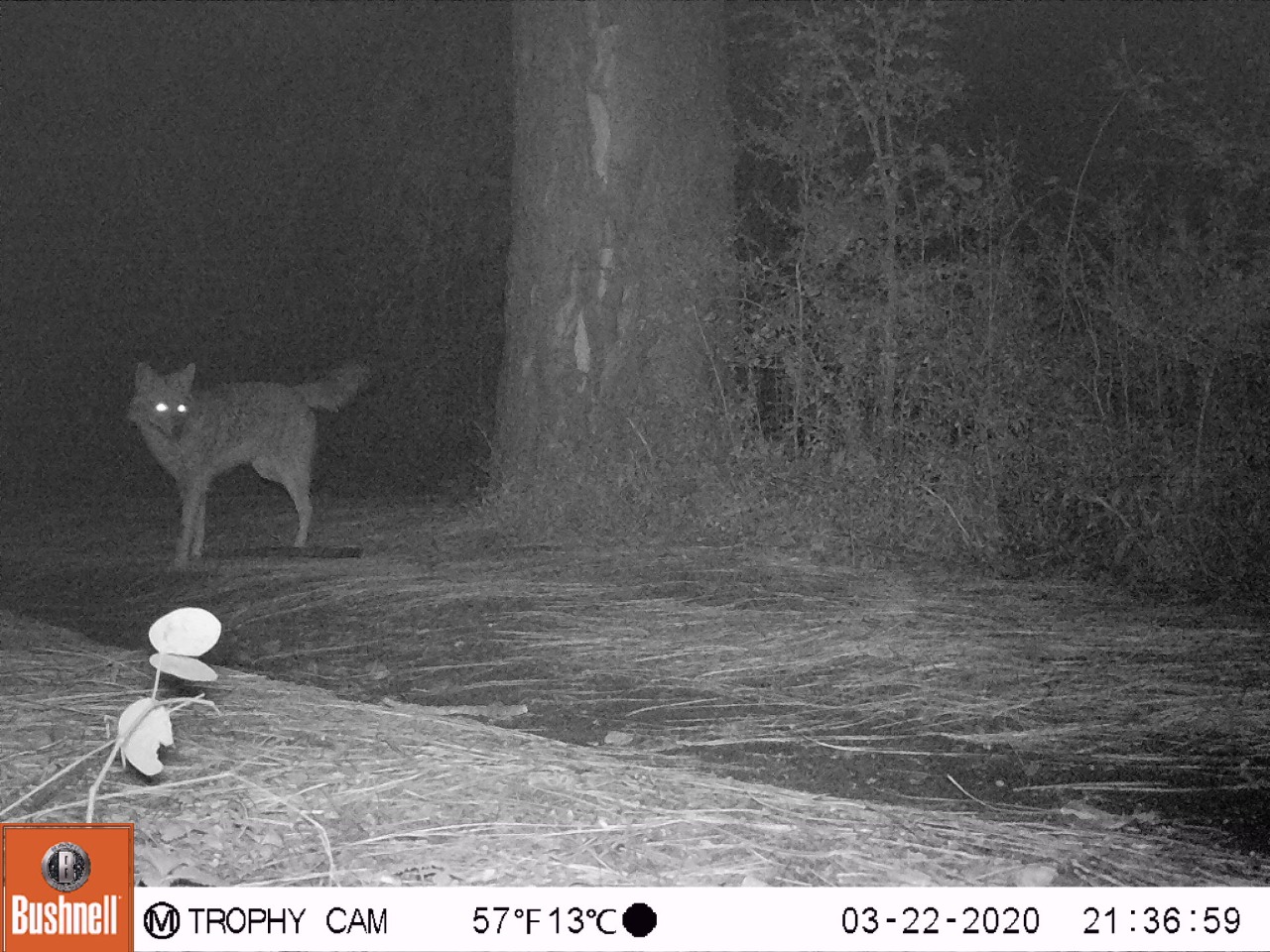
A fox is spotted at Margalla Hills National Park in Islamabad on March 22, 2020. (Photo courtesy: Islamabad Wildlife Management Board)
Narratives that animal populations will retake Islamabad are naive.
While humans still remain out of the picture on trails of the Margalla hills, despite the Islamabad administration's decision to reopen parks on Tuesday, the rhythm of urban life will soon be back to its "normal" pace, and animals to their hideouts.
Video footage from surveillance cameras of the Islamabad Wildlife Management Board shows animals thriving at Margalla Hills National Park in Islamabad amid the city's lockdown.