
JEDDAH: A 278-strong task force of food safety inspectors is helping to police home delivery services in a Saudi city as part of the Kingdom’s efforts to stop the spread of the killer coronavirus disease (COVID-19).
The Jeddah health enforcement team has been carrying out strict morning and evening checks on supermarkets and restaurants to ensure precautionary measures introduced by the Saudi government are being adhered to.
And Jeddah Municipality has stepped up its monitoring of food outlets offering home delivery services during the virus lockdown.
Saudi Acting Minister of Municipal and Rural Affairs Majid Al-Hogail recently approved a list of temporary health requirements for food couriers operating in the Kingdom during the COVID-19 crisis.
Jeddah municipality spokesman Mohammed Al-Bogami told Arab News that the municipality had tasked its employees and inspectors in all branches to intensify their inspection efforts to ensure the regulations were fully implemented.
“Our agents have started spreading health awareness among restaurant workers and have asked all restaurants to provide thermal inspection devices to daily inspect both their workers and delivery workers,” he said. “We have also obliged all restaurants to take all precautionary measures and take the minister’s circular into consideration.”
The new rules include general requirements and conditions for the preparation, packing, transportation, and handover of food items along with safe handling instructions for delivery representatives.
The ministry has also urged couriers and customers to report any suspect food delivery operatives or breaches of health regulations, while reminding workers not to transport or deliver any prohibited or dangerous materials. Under the directives, deliveries can only be made to customers within a 45-minute drive of the food supplier’s premises.
Administrators of licensed delivery apps have also been ordered to immediately terminate the service of any delivery agent violating the rules.
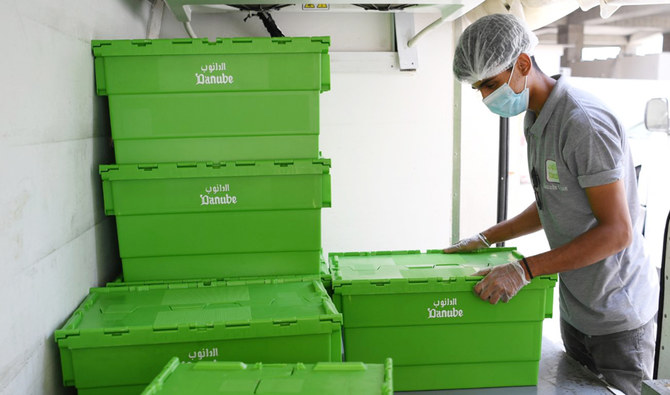
Delivery drivers should carry a valid driving license and use vehicles registered with an insurance company, and vehicles must be kept clean and be equipped with sealed containers to maintain safe food temperatures. Food containers should also be made of materials that can withstand frequent cleaning and disinfection after every delivery, with packages and foodstuffs securely positioned during transportation.
HIGHLIGHTS
• Saudi Acting Minister of Municipal and Rural Affairs Majid Al-Hogail recently approved a list of temporary health requirements for food couriers operating in the Kingdom during the COVID-19 crisis.
• Jeddah municipality has tasked its employees and inspectors in all branches to intensify their inspection efforts to ensure the regulations were fully implemented.
According to the new rules, delivery app workers must be Saudi nationals aged over 18 with no criminal record and should carry ID along with a medical certificate proving they are free of infections and diseases.
They should always wear gloves and masks when handing over items and wash their hands before and after deliveries.
Workers in food preparation premises are required to disinfect cooking equipment, delivery cases, and electronic card payment devices, separate food items with different chemical characteristics, serve only canned drinks, and securely seal orders.
Delivery workers are not allowed to enter restaurants or food outlet premises and must wait outside for orders to be prepared.
On delivery, no handshaking is permitted, and couriers and customers should keep at least two meters apart. Consumers are also required to reject any orders not displaying a “sealed” sticker on the package.
Transactions should only take place using electronic payment devices, and customers must immediately dispose of plastic bags after receipt of their order.
Al-Bogami said that all restaurants in Jeddah had signed an agreement committing to the new food safety rules.
“We have notified them that they should clean their restaurants every three hours to ensure the best possible level of hygienic atmosphere. Moreover, we asked them to take precautionary measures inside the shop, such as reducing the number of workers to no more than five in the morning period and five other workers in the evening period until the closing time at 10 p.m.,” he added.
He noted that the municipality had asked restaurant managers to instantly report to authorities any cases of COVID-19 among workers.