

Inside New York’s historical community of Arab immigrants, Little Syria

Sara Ouhaddou is a Paris- and Rabat-based artist. (Supplied)
Short Url
Updated 10 April 2020
Follow

Inside New York’s historical community of Arab immigrants, Little Syria

  • The neighborhood was once home to a thriving community of Arab immigrants

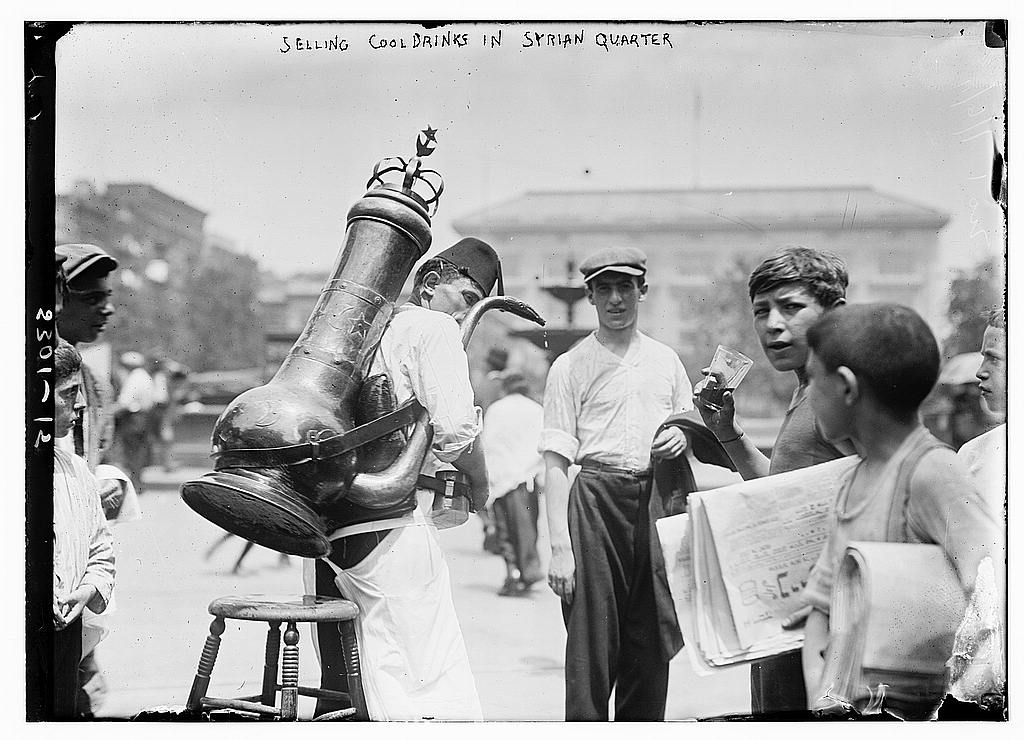
DUBAI: In the early 20th century, New York City’s Lower Manhattan area was home to a thriving community known as Little Syria (aka ‘The Syrian Quarter’ and ‘The Mother Colony’). This enclave of Arabic-speaking immigrants traveled by ship from the Ottoman-occupied region of Greater Syria (mostly from Mount Lebanon) to New York — a major entry point for millions of immigrants at the time. 

Many of these newcomers, who had headed to the US in search of a better life, eventually settled on Rector Street and Washington Street — the heart of Little Syria between the 1880s and 1940s. In its heyday, this close-knit community boasted a lively ecosystem of shisha cafés, pastry shops, exotic grocery stores, and textile wholesalers. 
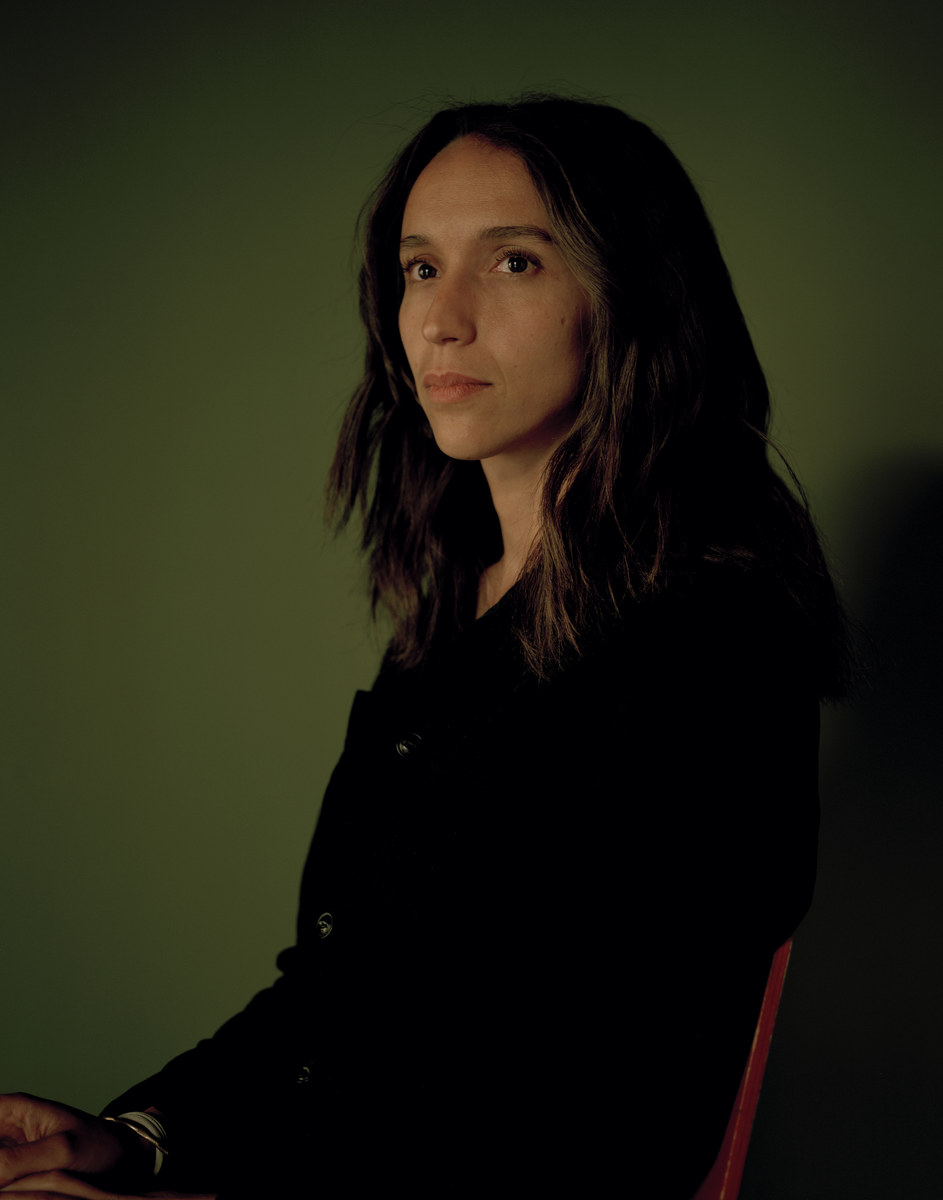


A public artwork created by Paris- and Rabat-based Sara Ouhaddou — nearly a decade in the making — will soon pay tribute to Little Syria. (Supplied)

Little Syria was also associated with some of the Arab world’s most prominent émigré writers, publishers, and thinkers, including Kahlil Gibran and Ameen Rihani, who penned the first Arab-American novel, “The Book of Khalid,” in 1911. 

Today, though, only three historical buildings from that era have survived — including the landmarked St. George’s Syrian Catholic Church — and the area is no longer known as an Arabic hub. Over the past few years, however, the memory of Little Syria has been revived by the likes of preservation activist Todd Fine, who runs educational walking tours as president of the Washington Street Advocacy Group. 

“This part of the city has been changed and demolished probably more than any other neighborhood in New York City. A huge chunk of it was destroyed to build the Brooklyn Battery Tunnel in 1946,” explained Fine, citing one the central causes of Little Syria’s physical demise. 
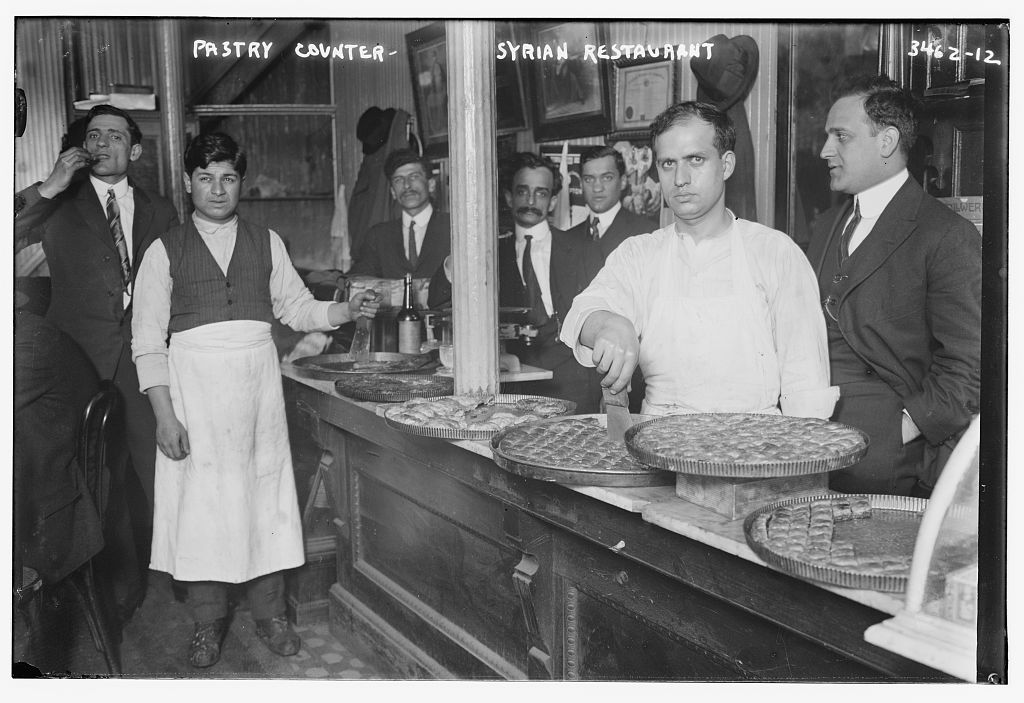


Little Syria was also associated with some of the Arab world’s most prominent émigré writers, publishers, and thinkers. (Getty)

“(You cannot) underestimate the sophistication and the amount of activity of this robust Arab-American population in the early 20th century,” he continued. “They had so many businesses and were involved in such high-level politics — such as advocacy for the Palestinians and communicating things to the American society about their culture. A lot of that has been totally lost and forgotten.” 

Thanks to collaborative efforts by preservationists and members of the Arab-American community, a public artwork created by Paris- and Rabat-based Sara Ouhaddou — nearly a decade in the making — will soon pay tribute to Little Syria.  
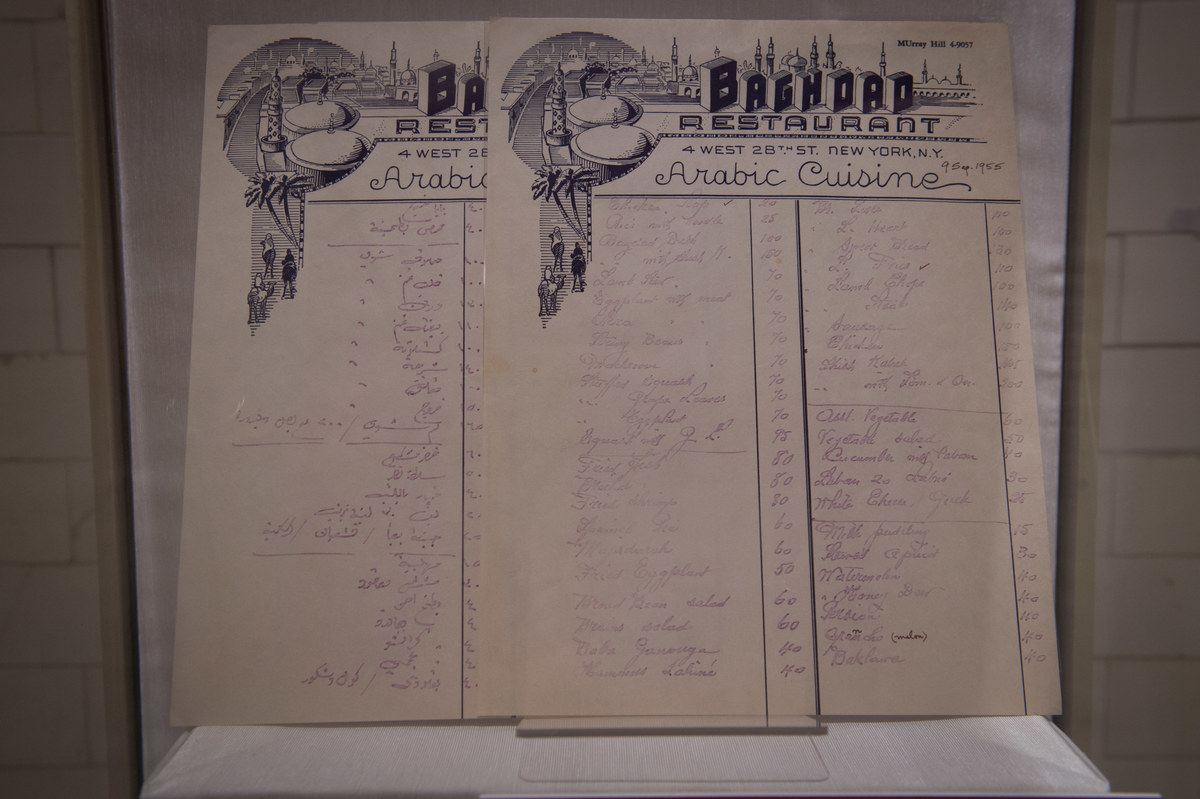


Today, the area is no longer known as an Arabic hub. (Getty)

In an interview with Arab News, Ouhaddou explained that language is at the heart of her project. She was inspired by Little Syria’s literary heritage, specifically the words of the Mahjar (diaspora) poets. 

The French-born artist explained that one of the reasons she applied to the competition to design the commemorative artwork, which was supported by the New York City Department of Cultural Affairs, was that she felt a personal connection to the writers of Little Syria. 
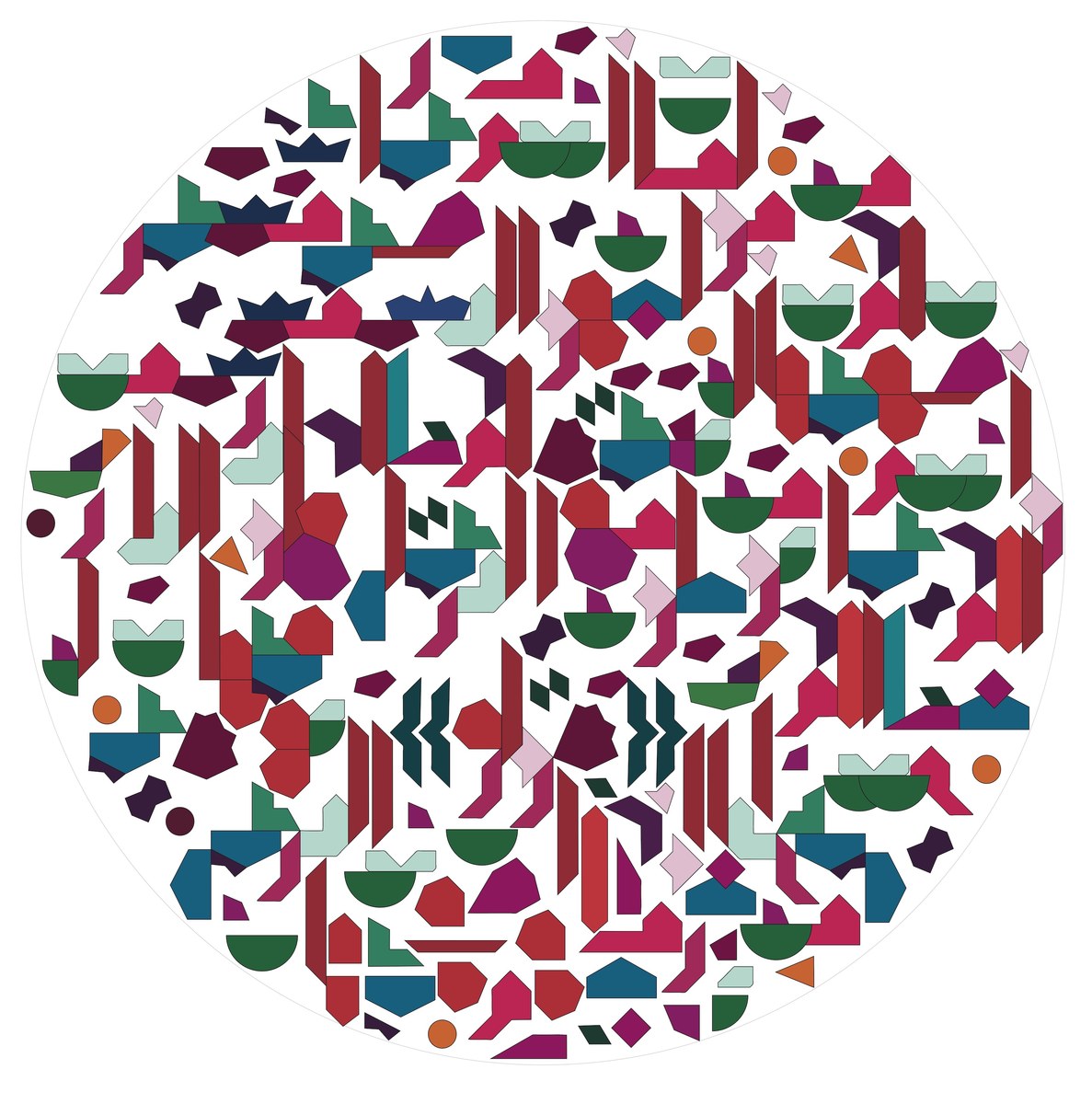


This is an example of Sara Ouhaddou’s artwork. (Supplied)

“I’m Amazigh and Arab,” she said. “I’m the multicultural daughter of immigrants from Morocco, a place that is full of minorities. We were a minority in Europe. It’s a history that has repeated itself; the Little Syria history is the same history I’ve lived in France.”


Ouhaddou explained that language is at the heart of her project. (Getty)

Ouhaddou said that her initial main artwork will be manifested through two pathways in a 20,000 square-foot park — the Elizabeth Berger Plaza — that is being built especially for this memorial. The decorative pathways integrate her unique, colorful mosaic design in which she has invented an alphabet that cleverly combines elements of Islamic geometry and classical Arabic lettering. Embodying messages of spirituality and humanity, one of the poems on which she has based the artwork is taken from Gibran’s “The Prophet”: “You who travel with the wind/What weathervane shall direct your course?”

It is through Ouhaddou’s own contemporary practice of amalgamating craftsmanship, geometry and language that she explores identity, a recurring theme in the writings of Little Syria’s poets. “They were Universalists,” Ouhaddou pointed out. “They were very well advanced in the idea that we could be our own complex identity and — at the same time — be a universal human.”


Ouhaddou was inspired by Little Syria’s literary heritage, specifically the words of the Mahjar (diaspora) poets. (Getty)

There is not yet a set date for the unveiling of Ouhaddou’s site-specific artwork, since organizers are finalizing the park’s construction and aiming to attract further funding. 

“It will be a great way for people from around the world to really see something beautiful,” said Fine of the artwork. “And not to do it in the way we do most memorials, where we just have statues. I’m hoping that this is a way to show the beauty of the Arabic language and poetry in a calm and comforting way.” 


Showtime: The best television of 2025 

Updated 26 December 2025
Follow

Showtime: The best television of 2025 

  • From belly laughs to gut punches, here are the must-watch shows of the year 

‘Adolescence’ 

This harrowing drama consisted of four episodes, all shot in a single take. It told the story of 13-year-old Jamie Miller (the debut role for Owen Cooper, who deservedly won an Emmy for his faultless performance), who is accused of murdering a schoolmate, and the aftermath of that accusation for his family. “Adolescence” was the perfect blend of style and substance; you could marvel at the “balletic production processes that must have been involved,” as our reviewer noted, even while squirming in your seat at the painfully raw performances of the excellent ensemble cast. “It may be one of the most upsetting shows released this year,” our review concluded, “but it is also a remarkable work of art.” 

‘Severance’ S2 

Apple’s absorbing sci-fi comedy-drama expanded its universe in season two, as Mark S (Adam Scott) and his team of data refiners dealt with the fallout from their successful, if brief, escape from their ‘severed’ floor — where work and out-of-work memories and personalities are controlled and delineated by a chip embedded in their brains — at Lumon, during which they tried to alert the outside world to the cruelties of their working conditions. “Creator Dan Erickson and director Ben Stiller waste no time in rediscovering the subtle blend of tangible oddness and sinister dystopian creepiness that made the first season such an uncomfortable joy,” our reviewer wrote.  

‘Stranger Things’ S5 Vol. 1 

At the time of writing, we don’t know whether volume two of the final season of this epic Eighties-set sci-fi horror drama — out Dec. 26 — will be able to maintain the quality of this first volume, but all signs are good. As our reviewer wrote of volume one: “The Duffer Brothers lay down a compelling claim to be the current best-in-class when it comes to making thrilling mainstream TV. Is there anyone better at consistently building tension, releasing it a little through comedy, action, or both, then applying the pressure once again? The four episodes fly by.” There was edge-of-the-seat action and high-stakes jeopardy aplenty, but tempered by the moments of emotional interaction that have been crucial to the show’s success. 

‘Mo’ S2 

In Mo Amer’s semi-autobiographical comedy drama, he plays Mo Najjar, a Kuwait-born Palestinian refugee living in Houston, Texas, with his mother Yusra (the superb Farah Bsieso), and his older brother Sameer (Omar Elba), who’ve been waiting more than two decades to have their asylum case heard. In season two, our reviewer said, Amer continued to explore “incredibly complex and divisive topics — family, religion, imbalance of power, exile, mental health, parenthood, multiculturalism and much more — with an artful lightness of touch, without ever taking them lightly.”  

‘Andor’ S2 

The best of the multitude of TV spinoffs from “Star Wars,” “Andor” was only two seasons long, and the majority of viewers would already have known what was coming (spoiler: the events of “Rogue One” were coming). But its story of a population rising up against the erosion of their rights was both convincing and timely. “With ‘Andor,’ (creator Tony) Gilroy and (star Diego) Luna have truly set the gold standard for what future ‘Star Wars’ can be,” our reviewer wrote. “Not just a space opera, but real stories of transformation and beauty.” 

‘The Studio’ 

With “The Studio,” Seth Rogen and his co-creators manage both to skewer Hollywood and remind us why it’s still (sometimes) great (because it can still produce shows like ‘The Studio’). The star-studded comedy about a newly appointed Hollywood studio head, Matt Remick (Grogan), who believes himself to be a supporter of great art, but quickly discovers that he’ll have to park his principles and chase the money, was as sharp a satire as you could wish to see, confronting the inherent silliness of showbusiness but remaining entertaining throughout. 

‘Slow Horses’ S5 

The fifth season of this excellent, darkly humorous espionage drama wasn’t its strongest, but even so, it trumped most of the competition. British super-spy Jackson Lamb and his crew of misfit agents at Slough House were once again embroiled in high-level conspiracies when their resident tech nerd Roddy gets a glamorous new girlfriend who everyone — or, at least, everyone except for Roddy — can see is well out of his league. That led us into a plot covering Islamic extremism, the British far-right, and much more, all held together by Gary Oldman’s scene-stealing turn as Lamb. 

‘Last One Laughing’ 

Putting a group of 10 comedians in a room for six hours and telling them not to laugh isn’t the greatest premise on paper, but this UK adaptation of the Japanese show “Documental,” featuring a stellar lineup of some of Britain’s funniest people — and host Jimmy Carr — was an absolute joy. From Joe Wilkinson being eliminated by Lou Sanders’ whispered “Naughty tortie” to eventual winner Bob Mortimer’s whimsical flights of fancy, there was so much to love about this endearingly silly show. And credit to the casting directors — the mix of comics was central to its success.