


Saudi university hospitals equipped for virus frontline

1 / 5
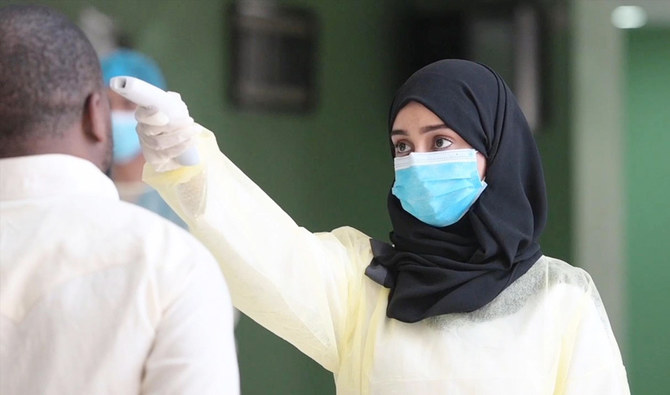
Education minister has directed all universities to update their emergency plans and provide their hospitals with necessary equipment. (SPA)
2 / 5
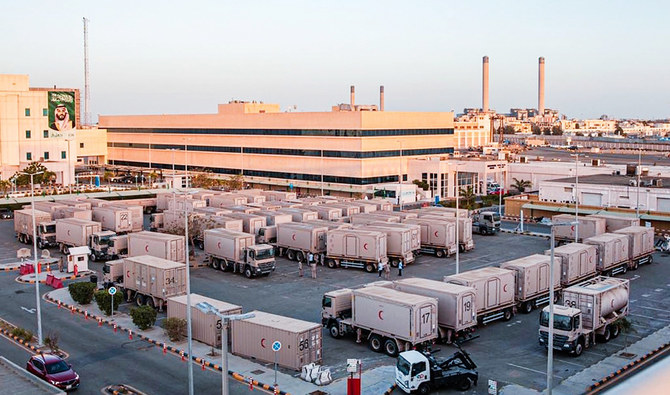
A handout picture provided by the Saudi Defence Ministry on March 23, 2020 shows medical vehicles parked in the parking lot of the King Fahd Medical City in the capital Riyadh to be used as a field hospital as part of measures for the COVID-19 coronavirus pandemic. (AFP)
3 / 5
Education minister has directed all universities to update their emergency plans and provide their hospitals with necessary equipment. (SPA)
4 / 5
Education minister has directed all universities to update their emergency plans and provide their hospitals with necessary equipment. (SPA)
5 / 5
Education minister has directed all universities to update their emergency plans and provide their hospitals with necessary equipment. (SPA)
Short Url
Updated 29 March 2020
Follow

Saudi university hospitals equipped for virus frontline

  • Saudi health ministry has performed 51,000 advanced laboratory tests so far

JEDDAH: The Saudi Ministry of Education is contributing to the Health Ministry’s efforts to combat the coronavirus with six university hospitals equipped to be on the frontline.

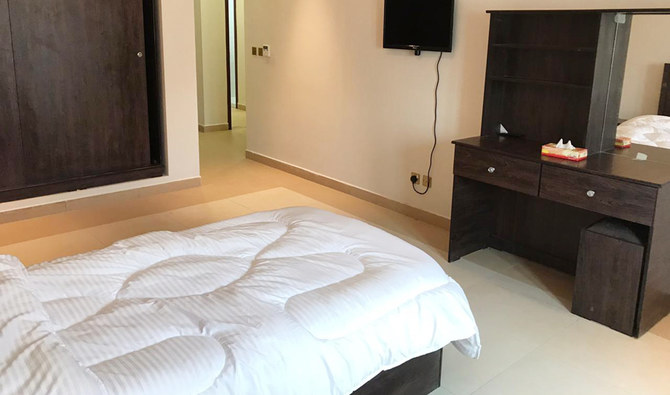
As the number of confirmed cases rose to 1,203, university hospitals prepared more than 3,000 beds ready for any emergency and 20 universities provided more than 77 of their buildings to be used for medical quarantine.
“Since the 1st of February, the Education Minister Hamad Al-Asheikh has directed all universities to update their emergency plans and provide their hospitals with necessary equipment,” Tariq Al-Ahmari, Saudi Arabia’s spokesperson for higher education, told a press conference on Saturday.
Al-Ahmadi also highlighted the success of the virtual education experience at Saudi universities since education went completely virtual on March 8 as a precautionary measure to protect students and staff.
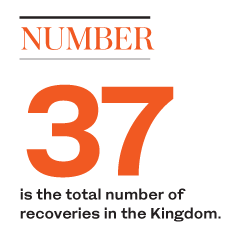
The Health Ministry has confirmed 99 new coronavirus cases in the Kingdom, taking the total number of confirmed cases to 1,203 with 37 recovered and four deaths.  The death of the latest victim, a Saudi male citizen in Riyadh who had been suffering from chronic health issues prior to contracting the disease, took the toll to four.
The ministry has performed 51,000 advanced laboratory tests so far. “This makes Saudi Arabia one of the top 10 countries in the world in terms of making the highest number of tests per population ratio,” said Health Ministry spokesman, Dr. Mohammed Al-Abd Al-Aly.
“Currently, the numbers are in a fluctuating state, globally,” Al-Aly said. “The curve may go toward a steady decline and this pandemic passes quietly, or a rapid and dangerous rise. It is our responsibility as a society to control the curve.”


Makkah forum discusses nonprofit sector’s growing role in pilgrim services 

Updated 11 sec ago
Follow

Makkah forum discusses nonprofit sector’s growing role in pilgrim services 

  • Hajj minister says nonprofit associations have grown fiftyfold in five years, pledging a shift toward long-term sustainability

JEDDAH: The first Non-Profit Sector Forum in Service of Pilgrims was inaugurated at the Makkah Chamber of Commerce by Minister of Hajj and Umrah Tawfiq Al-Rabiah.

The opening ceremony was attended by senior officials, government representatives, nonprofit organizations, private sector representatives and donors, the Saudi Press Agency reported on Monday.

Al-Rabiah highlighted the growing role of the nonprofit sector in serving pilgrims, noting that the number of associations has increased fiftyfold over the past five years, making it a core component of the Hajj and Umrah services ecosystem.

He underscored the ministry’s commitment to empowering the sector by moving “from readiness to sustainability” through a nonprofit strategy for Hajj and Umrah covering 2026 to 2030.

The strategy aims to increase diversity, improve effectiveness and enrich the experience of pilgrims and Umrah performers, the SPA reported.

The ministry oversees more than 100 associations serving Hajj and Umrah pilgrims and visitors through partnerships, innovative initiatives and integrated cooperation between government, private and nonprofit sectors to improve efficiency and service models.

The forum featured a panel discussion on the future aspirations and expected impact of the nonprofit sector in serving pilgrims, the SPA reported.

The session was moderated by Rakan Al-Maddah, vice president of the Kingdom Discovery Sector at the Pilgrims Experience Program, with participation from Musad Al-Daood, mayor of Makkah Municipality; Deputy Minister of Hajj and Umrah Abdulfattah Mashat; and Ghazi Al-Shahrani, CEO of the General Authority for the Care of the Two Holy Mosques.

Panelists said that the nonprofit sector is an active partner in serving pilgrims, noting that the next phase requires greater diversity and a stronger role within the integrated Hajj and Umrah services system.

Another panel focused on sustainability solutions for the nonprofit sector, addressing funding, partnerships and social responsibility. Speakers emphasized the need to strengthen support, expand partnerships and empower initiatives to enhance the visitor experience.

The forum aims to build the institutional capacity of nonprofit organizations, improve operational readiness and promote the exchange of knowledge and expertise, the SPA reported.

It also seeks to enable endowments and donors to adopt innovative funding and investment models that ensure sustainable, high-quality impact, while strengthening strategic partnerships across sectors.

The forum includes three special workshops to build capacity and institutional readiness, an accompanying exhibition to diplay initiatives and projects, and the signing of agreements to formalize partnerships and enhance cooperation.