PARIS: The growing list of world celebrities who have been hit by the novel coronavirus includes Spanish tenor Placido Domingo and former Italy and AC Milan defender Paolo Maldini.
Veteran Afro-jazz star Manu Dibango is among the first worldwide stars to die as a result of COVID-19.
The 86-year-old Dibango, from Cameroon, died in a hospital in France on Tuesday after contracting the virus.
Congolese music legend Aurlus Mabele, known as the “King of Soukous,” a high-tempo modern variant of Congolese rumba, died in Paris Thursday of the coronavirus, aged 67.
Spanish opera star Domingo said Sunday he had tested positive, adding he was “in good health.”
Oscar-winning actor Tom Hanks and his wife, actress and singer Rita Wilson, said on Monday they were doing better after nearly two weeks quarantine in Australia.
British actor Idris Elba said on March 16 that he had tested positive for the virus and gone into self-isolation.
Chilean author Luis Sepulveda, who lives in northern Spain, also has the virus and is in hospital. He felt the first symptoms on February 25.
The first test result for quarantined German Chancellor Angela Merkel came back negative on Monday. Merkel had decided Sunday to self-isolate after being treated by a doctor who has since tested positive for the virus.
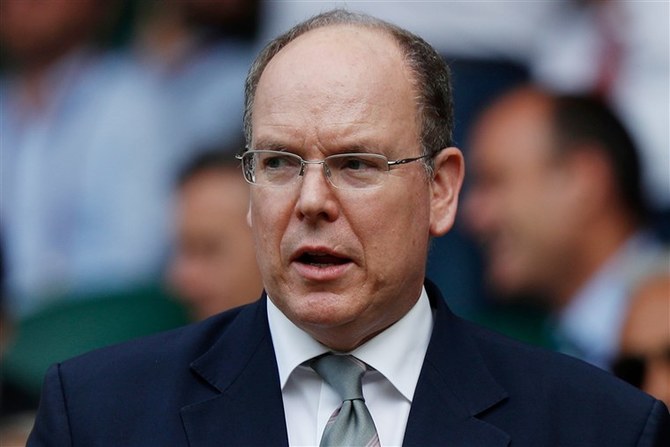
Prince Albert II of Monaco has tested positive, although there are “no concerns for his health” the palace said on March 19.
Michel Barnier, who leads EU negotiations with Britain on Brexit, announced in a Twitter video on March 19 that he had tested positive.
Canadian Prime Minister Justin Trudeau has been in isolation since March 13 after his wife Sophie Gregoire Trudeau tested positive.
Members of governments in several countries — Australia, Brazil, Britain, Burkina Faso, France, Iran, Morocco, Norway, Poland and Spain — have been infected.
On Tuesday Finland said Nobel laureate and former Finnish president Martti Ahtisaari, aged 82, has contracted the virus.
Former Real Madrid president Lorenzo Sanz died on Saturday aged 76, three days after being hospitalized with the coronavirus
In Italy several players at Juventus are infected, including France’s 2018 World Cup winner Blaise Matuidi and Argentinian attacker Paulo Dybala.
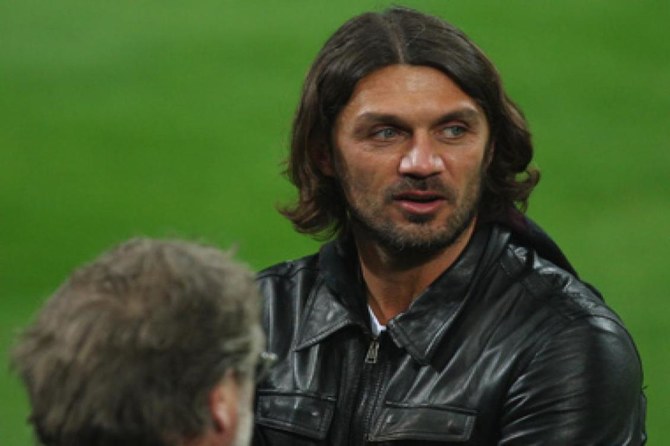
Former AC Milan defender Paolo Maldini and his footballer son Daniel announced they were positive Saturday.
At Fiorentina, another top Italian club, 10 players are infected.
In England, Arsenal manager Mikel Arteta and Chelsea winger Callum Hudson-Odoi have both tested positive.
In 12 days at least 14 players from the NBA have tested positive, including Brooklyn Nets superstar Kevin Durant. Most of them have said they are without symptoms according to NBA boss Adam Silver.

Paolo Maldini and Prince Albert II of Monaco among celebrities testing positive for coronavirus
Short Url
https://arab.news/np9zy
Paolo Maldini and Prince Albert II of Monaco among celebrities testing positive for coronavirus
- Former AC Milan defender Paolo Maldini and his footballer son Daniel announced they were positive Saturday
- Prince Albert II of Monaco has tested positive, although there are no concerns for his health the palace said on March 19
India’s prime minister says it has reached a free trade deal with the EU
- It touches a whopping 2 billion people and is one of the biggest bilateral engagements on commerce
- The timing comes as Washington targets both India and the EU with steep import tariffs
NEW DELHI: Prime Minister Narendra Modi said Tuesday that India and the European Union have reached a free trade agreement to deepen their economic and strategic ties.
The accord, which touches a whopping 2 billion people, was concluded after nearly two decades of negotiations. It was dubbed the “mother of all deals” by both sides.
It is one of the biggest bilateral engagements on commerce. The timing comes as Washington targets both India and the EU with steep import tariffs.
“This agreement will bring major opportunities for the people of India and Europe. It represents 25 percent of the global GDP and one-third of global trade,” Modi said while virtually addressing an energy conference.
The deal comes at a time when Washington is targeting both India and the EU with steep tariffs, disrupting established trade flows and pushing major economies to seek alternate partnerships.
Modi was scheduled to meet with European Commission President Ursula von der Leyen later Tuesday to jointly announce the agreement.
India has stepped up efforts to diversify its export destinations as part of a broader strategy to offset the impact of higher US tariffs.
The tariffs include an extra 25 percent levy on Indian goods for its unabated purchases of discounted Russian oil, bringing the combined tariffs imposed by the United States on its ally to 50 percent.
The deal gives the EU expanded access to one of the world’s fastest-growing major economies, helping European exporters and investors to reduce their reliance on more volatile markets.
Bilateral trade between India and EU stood at $136.5 billion in 2024-25. The two sides hope to increase that to about $200 billion by 2030, India’s Trade Ministry officials said.
“Ultimately, the agreement is about creating a stable commercial corridor between two major markets at a time the global trading system is fragmenting,” said Indian trade analyst Ajay Srivastava.
The EU is still reeling from the aggressive approach of its once-stalwart ally across the Atlantic. There’s a widespread sense of betrayal across the 27-nation bloc from US President Donald Trump’s onslaught of higher tariffs, embrace of far-right parties, and belligerence over Greenland.
Brussels has accelerated its outreach to markets around the world: Over the past year, von der Leyen has signed deals with Japan, Indonesia, Mexico, and South America under the catchphrase “strategic autonomy,” which in practice is akin to decoupling from a US seen by most European leaders as erratic.
“We are showing a fractured world that another way is possible,” she posted on X after arriving in India on Sunday.
The accord, which touches a whopping 2 billion people, was concluded after nearly two decades of negotiations. It was dubbed the “mother of all deals” by both sides.
It is one of the biggest bilateral engagements on commerce. The timing comes as Washington targets both India and the EU with steep import tariffs.
“This agreement will bring major opportunities for the people of India and Europe. It represents 25 percent of the global GDP and one-third of global trade,” Modi said while virtually addressing an energy conference.
The deal comes at a time when Washington is targeting both India and the EU with steep tariffs, disrupting established trade flows and pushing major economies to seek alternate partnerships.
Modi was scheduled to meet with European Commission President Ursula von der Leyen later Tuesday to jointly announce the agreement.
India has stepped up efforts to diversify its export destinations as part of a broader strategy to offset the impact of higher US tariffs.
The tariffs include an extra 25 percent levy on Indian goods for its unabated purchases of discounted Russian oil, bringing the combined tariffs imposed by the United States on its ally to 50 percent.
The deal gives the EU expanded access to one of the world’s fastest-growing major economies, helping European exporters and investors to reduce their reliance on more volatile markets.
Bilateral trade between India and EU stood at $136.5 billion in 2024-25. The two sides hope to increase that to about $200 billion by 2030, India’s Trade Ministry officials said.
“Ultimately, the agreement is about creating a stable commercial corridor between two major markets at a time the global trading system is fragmenting,” said Indian trade analyst Ajay Srivastava.
The EU is still reeling from the aggressive approach of its once-stalwart ally across the Atlantic. There’s a widespread sense of betrayal across the 27-nation bloc from US President Donald Trump’s onslaught of higher tariffs, embrace of far-right parties, and belligerence over Greenland.
Brussels has accelerated its outreach to markets around the world: Over the past year, von der Leyen has signed deals with Japan, Indonesia, Mexico, and South America under the catchphrase “strategic autonomy,” which in practice is akin to decoupling from a US seen by most European leaders as erratic.
“We are showing a fractured world that another way is possible,” she posted on X after arriving in India on Sunday.
© 2026 SAUDI RESEARCH & PUBLISHING COMPANY, All Rights Reserved And subject to Terms of Use Agreement.


