LAHORE: Social media groups have been swelling with advice and “totkas” or home remedies to fight the coronavirus. As many readers may turn to them in panic amid the current outbreak, Arab News reached out to health professionals to dispel the myths that may cause more harm than good.
The situation in Pakistan is becoming serious. To stop the spread of Covid-19 infection, the National Security Committee (NSC) on Friday evening introduced a host of measures, including the sealing of borders with Iran and Afghanistan, travel restrictions and bans on public gatherings.
While scientists are struggling to understand how the novel virus works, many anxious Pakistanis have started to share their tips and tricks to prevent infection.
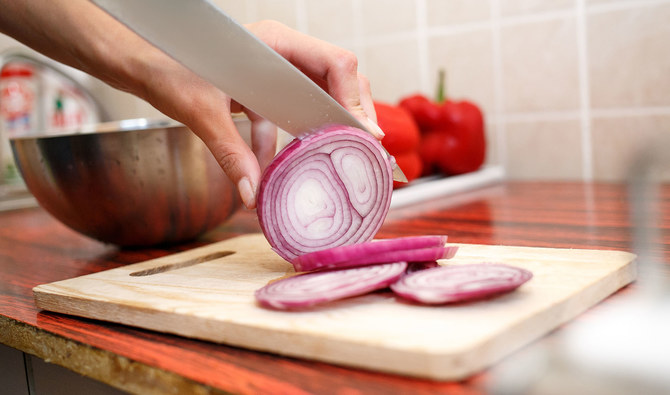
Onions top the list of well-intentioned home remedy counsels as powerful antiviral actors.
Muzaffir Pasha, a medical student told Arab News about his grandmother insisting they drink water that was boiled with onions. “She said it would fight the virus because onions are known to be immunity boosting.”
Chomping raw onions has also been shared a protective measure. “It will keep you safe,” Sara Jamil from Islamabad was told. “But there was no explanation why.”
According to Dr. Mehreen Mujtaba, however, “it’s a viral infection ... no amount of onions, kalonji (fennel) or kalonji tea, hot baths, alcohol consumption can prevent or cure it.”
Some other social media advice was going to swimming pools, as rumors say chlorine in water kills the virus. “I heard swimming will kill it off our bodies,” laughed educator and comedian Mina Hassan Malik.
But Dr. Mujtaba disagrees.
“The virus enters the blood stream through the mucous membranes of nose, mouth, and hence chlorine in swimming pools, hot water baths cannot prevent anyone from getting the infection,” she said.
Other common tips included taking up smoking in belief that as it repels mosquitoes it would also scare away the virus. However, that is not how things work.
“Smoking is a really bad idea as it damages the lungs and makes people more susceptible to getting severe symptoms of the disease,” Dr. Mujtaba said.
According to World Health Organization (WHO) guidelines, washing one’s hands for at least 20 seconds is the strongest defense against the virus. If you are sick, stay at home to prevent infecting others. If you develop fever, coughing and have breathing difficulties, consult your doctor.


![]()

Traditional remedies won’t protect you from coronavirus
Short Url
https://arab.news/m4khq
Traditional remedies won’t protect you from coronavirus
- No amount of onions can prevent or cure coronavirus, says doctor
- If you develop fever and have breathing difficulties, seek professional medical help
Latest updates


© 2026 SAUDI RESEARCH & PUBLISHING COMPANY, All Rights Reserved And subject to Terms of Use Agreement.