

Saudi art museums ‘desperately needed,’ says curator

1 / 4
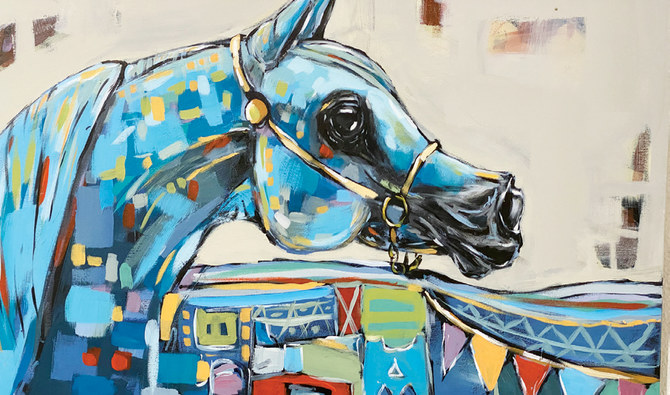
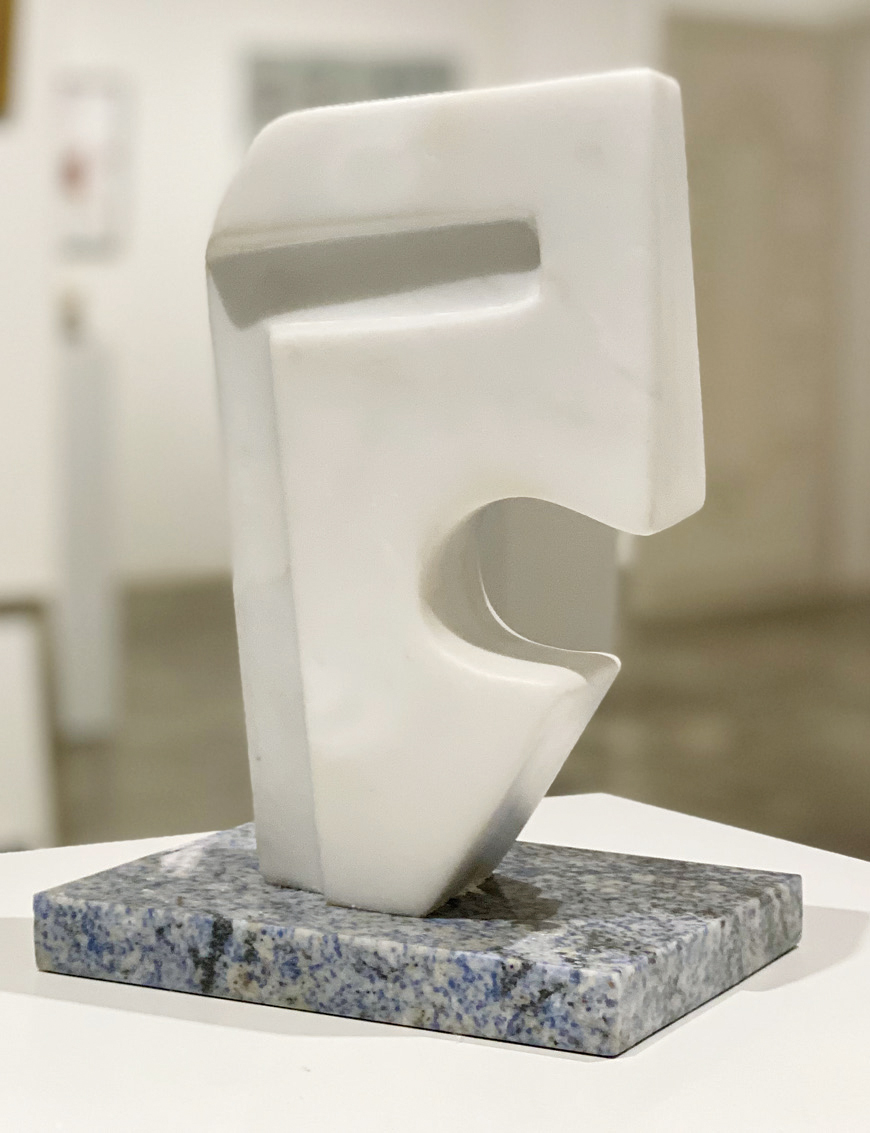
Sculptor and art collector Talal Altukhaes says, ‘I serve my country by contributing to the spread of art, and the love of art.’ (AN photos by Thaer Alfuraiji)
2 / 4
Sculptor and art collector Talal Altukhaes says, ‘I serve my country by contributing to the spread of art, and the love of art.’ (AN photos by Thaer Alfuraiji)
3 / 4
Sculptor and art collector Talal Altukhaes says, ‘I serve my country by contributing to the spread of art, and the love of art.’ (AN photos by Thaer Alfuraiji)
4 / 4
Sculptor and art collector Talal Altukhaes says, ‘I serve my country by contributing to the spread of art, and the love of art.’ (AN photos by Thaer Alfuraiji)
Short Url
Updated 08 February 2020
Follow

Saudi art museums ‘desperately needed,’ says curator

  • Art scene in the Kingdom, with artists getting support from government and private sector, shows potential for growth

RIYADH: There is no doubt that the art scene in Saudi Arabia is taking off at last, with many artists finally feeling like their years of hard work are being recognized. With unprecedented support from government institutions like the Ministry of Culture, and private organizations like Art Jameel, Saudi artists are finally getting their moment in the spotlight.

Saudi sculptor Talal Altukhaes is one of them. Apart from being known internationally for his work in sculpture, he is also a keen art collector who has organized and managed several art exhibitions both inside and outside the Kingdom.

After a private tour of his studio and gallery, Talal met with Arab News to discuss the country’s burgeoning art scene, the extent of his contributions, and what he hopes to see happen to the country in the near future.

Altukhaes grew up fascinated by the work of his uncle, the renowned sculptor Ali Al-Toukhais. “He is my uncle, and also my mentor. Not only did I love him as my uncle, but I was also a fan of him and his work. He was so happy when I told him I was ready to make my first sculpture in 2009, he said he’d been waiting for it,” he said.
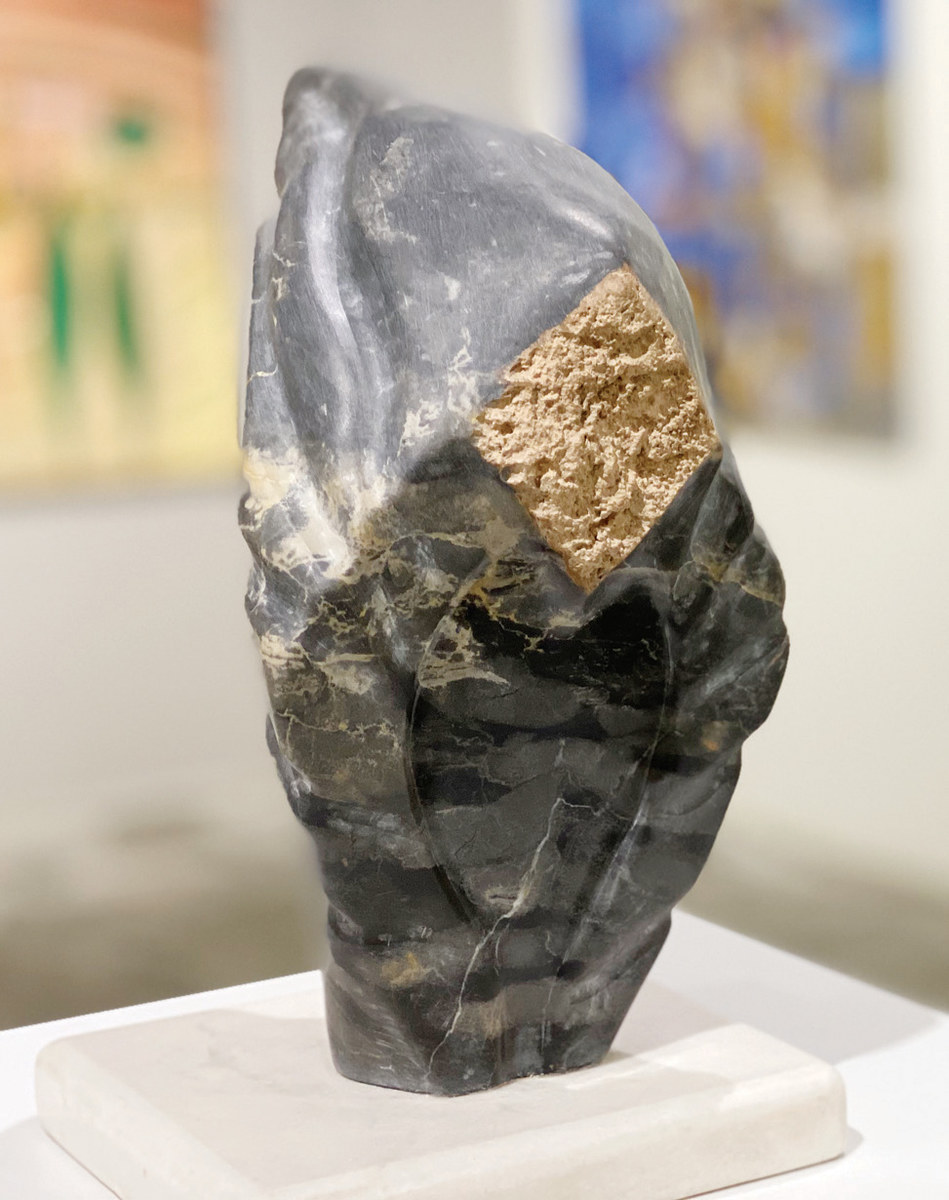
Growing up in Dawadmi, a town “smack-dab in the heart of Saudi Arabia” which recently unveiled several key archeological sites that could date back to the early Umayyad or Abbasid eras, Altukhaes was inspired by the natural beauty of the surrounding landscape. He and his uncle have both channeled their love for their hometown into their art, taking rough local stones that would generally be considered less glamorous than marble and turning them into stunning works of art.

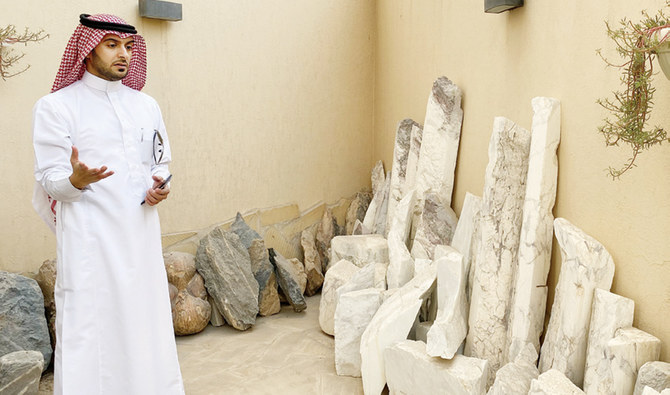
Though his favorite medium to work with is marble, Altukhaes has made sculptures from metal, ceramic, and even rocks which he has collected himself from all over Saudi Arabia. “I have rocks here from Dawadmi, from Madinah, and even some I collected from Neom before it became famous,” he said.

However, despite his renown as a sculptor, he is also known for his love of visual arts as a whole. After spending the first five years of his career showcasing his sculptures at 180 different events, he decided to devote more time to developing the local art scene.

To that end, he established his studio, Noqtah. Named for the Arabic word for the dot used to differentiate between letters, Altukhaes, who once wished to become a calligrapher, felt like it was a good way to pay tribute but also express his personal art style.

BACKGROUND

• Saudi sculptor Talal Altukhaes grew up fascinated by the work of his uncle, the renowned sculptor Ali Al-Toukhais.

• Altukhaes, despite his renown as a sculptor, is also known for his love of visual arts as a whole.

• After five years showcasing his sculptures at 180 different events, he decided to devote more time to developing the local art scene.

“I practiced calligraphy for 12 years before I realized that I was never going to reach the level of skill that I wanted. When I moved on to sculpting, every sculpture that I’ve ever made has been inspired by the shapes of the Arabic language, and its points or dots,” he said.

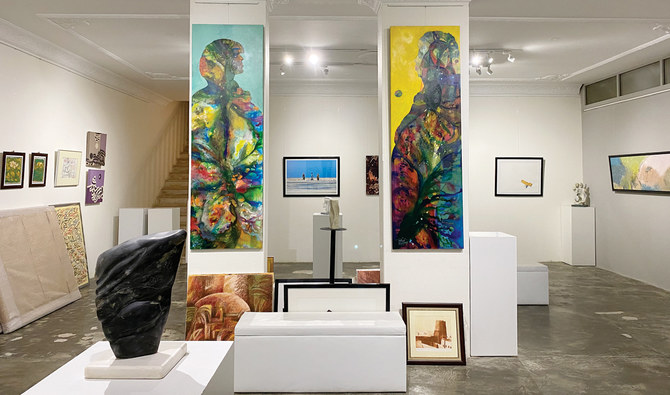
Inside his studio, Altukhaes has built a private gallery to house his art collection, which contains priceless artworks by the likes of Safeya Binzagr (the only Saudi artist to have her own museum) Ahmed Felemban, Fatimah Al-Nemer, Othman Alkhuzaim, and countless others. Though the gallery is not open to the public yet, he has hosted tours for several visiting dignitaries and ambassadors and lent some of the artworks out for showcasing in galleries from across the world.

Altukhaes said that he would love to see more museums dedicated to Saudi art in the country. “We desperately need it. It would give Saudi art so much credibility and so much importance. Saudi art is relatively new, we can’t compare our 50 or 60-year-old history with 500 and 600-year-old histories like those of Europe, so we started our journey late. But we have so much potential here. I can’t wait for more museums devoted purely to Saudi art to open here,” he said.

However, Altukhaes said he was happy that the art scene in Saudi Arabia has changed so much in the past few years, and that more opportunities are made available every day. “With all of the attention on Saudi Arabia at the moment, with so many foreigners and foreign representatives visiting, we can show them just what Saudi artists are capable of,” he said.
Though he has arranged several exhibitions in collaboration with the US Embassy in Riyadh in the past few years, he hopes to see more appreciation from other foreign embassies and galleries. 

“I’ve had the German ambassador, the Taiwanese ambassador, and many others visit my studio to view my collection. This is my role, to present just a small fragment of Saudi art to the world,” he said.

He also hopes to conduct workshops for Saudi artists and sculptors in the future. After a successful trial with 30 students from Princess Nourah University’s art and design program, he is looking forward to a repeat experience. “At this point in my career, I don’t have the time or the funds, but it’s definitely on my mind,” he said.

However, if he wants people to know one thing, it is this: “Serving your country can be done in more than just (one) way. I serve my country by contributing to the spread of art, and the love of art. Almost all of the work I’ve done in that regard has been nonprofit and completely voluntary.

 “We need to appreciate Saudi art and Saudi artists, and show the whole world what they can do.”


Defense Minister Prince Khalid bin Salman inaugurates 3rd World Defense Show in Riyadh

Updated 49 min 45 sec ago
Follow

Defense Minister Prince Khalid bin Salman inaugurates 3rd World Defense Show in Riyadh

  • Organized by the General Authority for Military Industries (GAMI), the five-day event will run until February 12
  • Prince Khalid launched several key initiatives, including the launch of several defense firms and signing of cooperation deals
  • The show is also serving as a launchpad for cutting-edge security technologies across various government sectors

RIYADH: Minister of Defense Prince Khalid bin Salman inaugurated the third edition of the World Defense Show (WDS) on Sunday on behalf of Crown Prince Mohammed bin Salman.

Organized by the General Authority for Military Industries (GAMI), the five-day event will run until February 12, showcasing the Kingdom’s rapid strides toward strategic independence and technological leadership in the defense sector.

The 2026 edition features a purpose-built venue with a 2,700-meter runway for live air and land demonstrations, underscoring the show’s status as a premier global defense event.

GAMI Governor Ahmad Al-Ohali emphasized that the show reflects Saudi Arabia's commitment to localizing over 50 percent of military spending in line with Vision 2030, fostering an integrated ecosystem where government bodies and international partners collaborate on innovation.

The event brings together official delegations, government entities, and leading international companies specializing in the defense and security sectors. (SPA)

Strategic agreements and major launches

The opening day witnessed significant activity at the Saudi Arabian Military Industries (SAMI) Group pavilion, where Prince Khalid launched several key initiatives:

New entities: The inauguration of SAMI Land Company, SAMI Autonomous Company, and the SAMI Land Industrial Complex.

Supply chain: The unveiling of the SAMI Local Content Program (RUKN) and the HEET Program.

International cooperation: A memorandum of understanding was signed between the Saudi General Authority for Defense Development and the Korean Agency for Defense Development to cooperate on advanced military research.

Defense deals: The Minister signed cooperation agreements with Slovakia, Malaysia, and Somalia.

Defense Minister Prince Khalid signed cooperation agreements with Slovakia, Malaysia, and Somalia. (SPA)

Technological debuts & innovations

The show is also serving as a launchpad for cutting-edge security technologies across various government sectors:

AI-Powered Lucid Gravity: Public Security debuted its advanced Lucid Gravity electric security vehicle at the Ministry of Interior's pavilion. The vehicle integrates state-of-the-art artificial intelligence and specialized security equipment designed to accelerate emergency response times and support field operations.

Public Security’s advanced Lucid Gravity electric security vehicle is displayed at the Ministry of Interior’s pavilion. (SPA)

This high-tech addition highlights Public Security’s shift toward smart, sustainable security solutions. By leveraging predictive intelligence and advanced command-and-control systems, the Lucid Gravity exemplifies the ministry’s commitment to protecting the Kingdom through integrated technological innovation and sustainable mobility.

Smart Helmet: Also at the Ministry of Interior’s pavilion, the General Directorate of Civil Defense unveiled its smart helmet. Designed to revolutionize public safety and emergency response, the helmet features day-and-night cameras and specialized sensors to detect hazardous materials in hard-to-reach locations.

The device serves as a mobile command node, delivering live video feeds directly to command-and-control centers. By enabling real-time data analysis and faster decision-making, the smart helmet significantly reduces incident response times and enhances personnel safety in high-risk environments.

The smart helmet features day-and-night cameras and specialized sensors to detect hazardous materials in hard-to-reach locations. (SPA)

Border Security: The General Directorate of Border Guard (GDBG) showcased an integrated security system featuring radar and thermal cameras capable of detecting drones and classifying moving targets to protect critical infrastructure.

It also functions as an early warning system for critical facilities and border areas and is fully integrated with command and control systems.

Border Guard's ntegrated security system features radar and thermal cameras capable of detecting drones and classifying moving targets to protect critical infrastructure. (SPA)

Counter-Terrorism: The Islamic Military Counter Terrorism Coalition (IMCTC) presented a comprehensive framework integrating intellectual, media, and military domains to combat extremism and terror financing.

Visitors are briefed on specialized programs designed to raise the readiness of national personnel and foster sustainable institutional cooperation among member states to combat extremism. On the event’s opening day, the pavilion hosted high-level delegations, including ministers, military leaders, and ambassadors who reviewed the coalition's pivotal role in coordinating international security efforts and commended its initiatives that support regional and global stability.

A view of the Islamic Military Counter Terrorism Coalition pavilion. (SPA)

Meteorology: The National Center for Meteorology (NCM) displayed advanced weather systems essential for ensuring the safety of the event's air shows and military operations.

At its dedicated pavilion, the NCM is showcasing its latest advanced meteorological technologies and systems. These solutions serve both the military and civilian sectors, providing accurate data to support beneficiary entities' operational processes and highlighting the center's pivotal role in national security and safety.

NCM's latest meteorological technologies and systems serve both the military and civilian sectors

World Defense Show CEO Andrew Pearcey noted that participation is expected to surpass previous records, reflecting the event's growing importance on the international stage. The show continues through February 12.