
 On the joyous occasion of the 71st Republic Day of India, I would like to extend my warm greetings and felicitations to all Indian citizens and Persons of Indian Origin in the Kingdom of Saudi Arabia.
Republic Day is of very special significance to every Indian, wherever in the world they live. On Jan. 26, 1950, the Constitution of India came into effect, which declared India a sovereign, socialist, secular and democratic republic.
The Constitution of India provides basic fundamental rights to Indian citizens and assures them of justice, equality and liberty, and endeavors to promote fraternity among them. The Constitution does not discriminate against anyone based on religion, caste, creed, gender or any other grounds.
Republic Day is also the day on which India’s first president, Dr. Rajendra Prasad, was sworn in as the constitutional head of the country, replacing the governor general appointed by the British monarchy. Two-and-a-half years after India gained its Independence on Aug. 15, 1947, it transitioned into one of the biggest democracies in the world, fulfilling the dreams of Mahatma Gandhi and thousands of freedom fighters who had shed their sweat and blood to secure freedom for our country.
Thus, the idea of India as an open, pluralistic democracy that supports a multireligious, multicultural, multi-ethnic, multilingual and secular society emerged. Underneath this diversity lies the continuity of Indian civilization and social structure, from the earliest times until the present.
The idea of India as an “epitome of the world” has been fascinating people since ancient times. Numerous inspiring accounts of visiting India were given by world travelers such as Fahien, Hiuen Tsang, Ibn Batuta, Alberuni, Ferishta, Vasco da Gama, Marco Polo and several others.
Renowned American philosopher Will Durant described India as “the motherland of our race, and Sanskrit the mother of Europe’s languages.” German Indologist Max Muller called India “the country most richly endowed with all the wealth, power and beauty that nature can bestow.”
In a modern context, India advocates a democratic and rules-based international order that emphasizes the equality of all nations, irrespective of size, population and military might. India adopts a consultative and law-abiding approach as its geopolitical role in the regional and global arena is increasingly recognized.
India’s commitment to transparency and market principles in its economic decisions, and its steadfast will to ensure that its economy is open and shares its resources and markets with its global partners, including the Gulf nations, makes it a favored economic partner for countries around the globe.
The numerous measures undertaken by the government to improve the ease of doing business — including the slashing of corporate tax rates, increasing foreign direct-investment limits in a range of sectors, and cutting red tape in decision-making — have, among other things, helped India climb to the 63rd spot in the World Bank’s rankings based on ease of doing business during 2020.
In addition, India has made significant progress to achieve 52nd rank in WIPO’s Global Innovation Index (GII) 2019 and 54th rank in Bloomberg Innovation Index 2020 which implies that the culture of innovation is taking center stage in India.
India’s foreign exchange reserves rose by $64 billion in 2019 to touch a record $457.5 billion. India is self-sufficient in food grains with an output of nearly 284 metric tons last year. This year we expect to grow more food and take the total output to 291 mt, including 116 metric tons of rice and 100 metric tons of wheat. Despite a slight slump in India’s economy last year, the future looks promising. The IMF has projected that India’s GDP would grow at the rate of 5.8 percent in 2020 and rise to 6.5 percent by 2021, keeping India on course for a $5 trillion economy by 2024-25.
On the foreign policy front, India advocates a democratic and rules-based international order that emphasizes the equality of all nations, irrespective of size, population and military might. India is in favor of comprehensive reforms of the UN Security Council and its expansion to make it more representative, effective and responsive to the geopolitical realities of the 21st century.
India’s deep commitment to the Indo-Pacific region based on our vision of SAGAR — Security and Growth for All in the Region — and its consultative and law-abiding approach on matters of global importance is widely recognized and appreciated. India continues to have comprehensive cooperation with the GCC, IORA, ASEAN and the African countries among others.
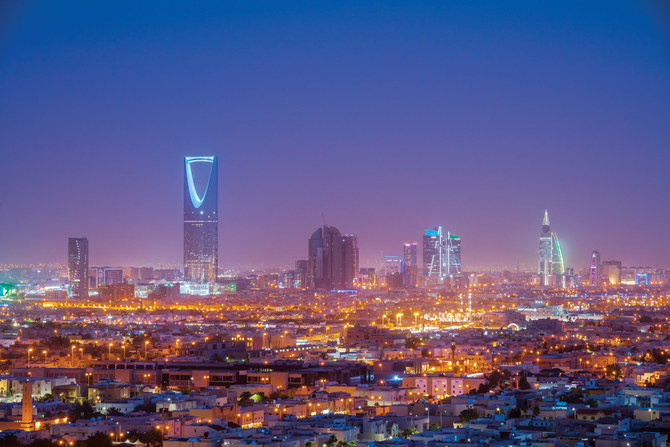
India’s bilateral relations with Saudi Arabia in modern times date back to 1947, when diplomatic relations were established between the two countries immediately after India gained independence. The bilateral relationship has evolved progressively into a multifaceted and mutually beneficial strategic partnership.
The signing of an agreement between the two countries, during an official visit by Prime Minister Narendra Modi to the Kingdom in October 2019, to form a Strategic Partnership Council marks a new era in Indo-Saudi relations.
The leadership of both countries is keen to strengthen and expand the gamut of bilateral relations in diverse fields such as trade, investments and economic cooperation, infrastructure, security and defense cooperation, energy security, food security, health care, entertainment, civil aviation, tourism and culture, along with people-to-people engagement.
India has a robust trade and economic relationship with Saudi Arabia, which is India’s fourth-largest trading partner. Bilateral trade is worth $34 billion, which includes a non-oil component of $10 billion. Several prestigious Indian companies operate in the Kingdom and are participating in the development process underway in the country under its Vision 2030 program.
Saudi Arabia plays a significant role in ensuring India’s energy security by meeting its long-term energy requirements, supplying 18 percent of its crude oil and 30 percent of its liquid petroleum gas needs.
The Kingdom’s plans to increase its footprint in India’s downstream sector — including a partnership that proposes to create world’s largest oil refinery, taking equity stakes in existing refineries, and its decision to participate in India’s Strategic Petroleum Reserves — reflect the keen desire of both countries to transform bilateral cooperation in the hydrocarbons sector into a larger strategic partnership based on complementarities and interdependence.
For its part, India is keen to contribute to the food security requirements of the Kingdom. Numerous initiatives are being explored in the fields of agriculture and food technologies. Greater collaboration in the areas of education, knowledge-based Industries, innovative technologies, and capacity building are being explored.
India has promised its full support to help ensure Saudi Arabia’s presidency of the G20 is a great success. Nearly 150 delegations from India, including several Cabinet ministers, are expected to visit the Kingdom this year and engage with their Saudi and other international counterparts on a range of issues, including finance, infrastructure, health care, climate change, energy sustainability and food security.
I would be failing in my duty if I did not acknowledge the enormous contribution made by the Indian professionals and skilled workers to the economic development of the Saudi Arabia, and for promoting greater understanding between the people of the two countries.
I would like to avail of this opportunity to express my deepest gratitude to King Salman and Crown Prince Mohammed bin Salman for their strong support in elevating the bilateral relations between our countries into a strategic partnership, and for ensuring the well-being of the 2.6 million Indian nationals who live in the Kingdom.
Long live the India-Saudi Relationship.
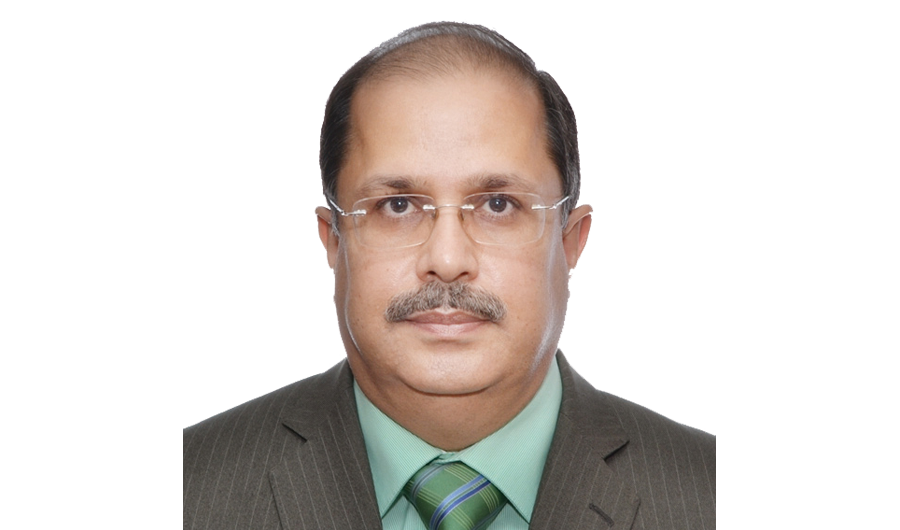
• Dr. Ausaf Sayeed is the Indian ambassador to Saudi Arabia.