

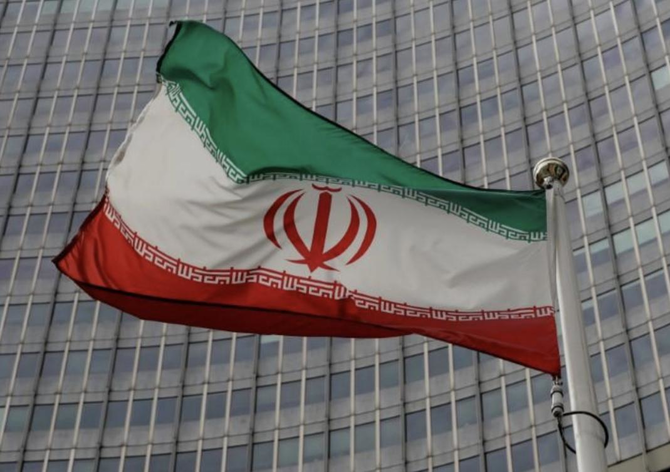

JEDDAH: Iran threatened on Monday to withdraw from the nuclear Non-Proliferation Treaty (NPT), paving the way for construction of a nuclear bomb.
The threat is Iran’s latest gambit to save the Joint Comprehensive Plan of Action (JCPOA), the 2015 deal to curb Tehran’s nuclear program in return for an easing of sanctions.
US President Donald Trump withdrew from the JCPOA in May 2018, and reimposed sanctions. In response, Iran began enriching uranium in breach of the agreement, in an attempt to put pressure on European states to save the deal.
That tactic backfired last week when Britain, France and Germany declared Iran to be in violation of the JCPOA, and triggered a dispute mechanism under which the issue will be referred to the UN Security Council, with full UN sanctions reimposed within 60 days.
“If the Europeans continue their improper behavior or send Iran’s file to the Security Council, we will withdraw from the NPT,” Iranian Foreign Minister Javad Zarif said on Monday.
Iranian Foreign Ministry spokesman Abbas Mousavi said: “The European powers’ claims about Iran violating the deal are unfounded. Whether Iran will further decrease its nuclear commitments will depend on other parties and whether Iran’s interests are secured under the deal.”
The 1968 NPT has been the foundation of global nuclear arms control since the Cold War. Signed by 190 countries, it bans signatories other than the US, Russia, China, Britain and France from acquiring nuclear weapons, in return for allowing them to pursue peaceful nuclear programs for power generation, overseen by the UN.
The only country to declare its withdrawal from the NPT was North Korea, which expelled nuclear inspectors and openly tested atomic weapons. Nuclear-armed India, Pakistan and Israel never signed.
Iran “will quicken the pace of its nuclear program” if it quits the NPT, security analyst Dr. Theodore Karasik told Arab News. It would also expose the extent to which Tehran had already breached the JCPOA, said Karasik, senior adviser to Gulf State Analytics in Washington DC.
“North Korea pulled out of the treaty in 2003 and of course went on to build nuclear weapons,” he said.
“So Iran and North Korea would be in the same strategic box in terms of any possible further negotiating, because of the personal relationships between their nuclear scientists.
“In the wake of the Ukrainian passenger plane debacle, Iran’s decision-making in relation to the West and its neighbors is undergoing a shift toward more aggression.”


