- Mullah Abdul Jabbar Omari denies the Taliban leader ever left Afghanistan after the US invasion or died in a hospital in Karachi
- Says he offered Omar’s funeral prayer with another colleague at midnight
ISLAMABAD: A Taliban leader, who claims to have sheltered Mullah Muhammad Omar for 12 years at his house in southern Afghanistan until the group’s founding leader died 10 years ago, says the Taliban chief escaped arrest in 10 different raids and never visited Pakistan after the American military dislodged his government in late 2001.
Mullah Abdul Jabbar Omari says in audio that Omar remained at his residence in Omarzo village in Zabul province, adding that he never left the house or met his family while hiding in the building.
Arab News is in possession of the audio in Pashto. A senior Taliban leader has also confirmed the authenticity of the voice, saying it belongs to Omari who was arrested by the Afghan forces after the demise of the Taliban chief and was only recently released.
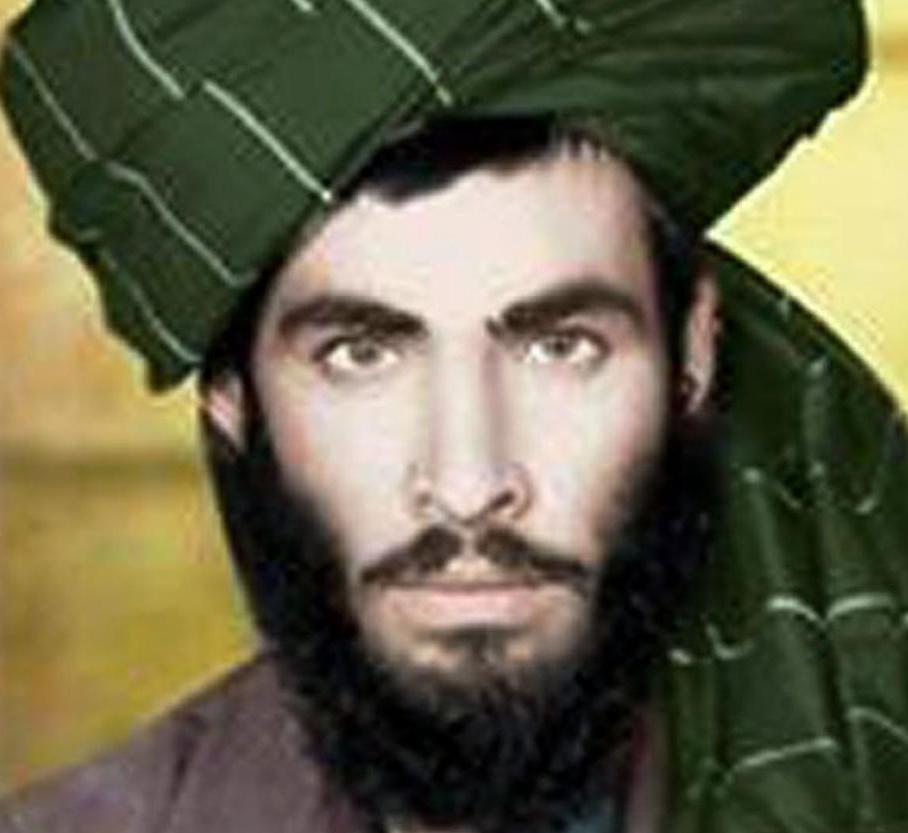
Omari, who hails from Omar’s Hotak tribe, had served as governor of northern Baghlan province during the Taliban rule of Afghanistan since 1996 until 2001. He was also a powerful Taliban military commander.
It may be recalled that Mullah Omar died in April 2013 due to illness, though the Taliban formally confirmed his death in July 2015 without divulging further details.
Omar was succeeded by Mullah Akhtar Mansour, who was killed in a US drone strike in Balochistan in May 2016. Some Taliban leaders say Mansour was among a handful of the group’s members who knew where Omar had been hiding.
“We came to Omarzo village after the US launched the operation in Kandahar. He [Mullah Omar] spent all the time at my residence and breathed his last over there. He did not see his home, children, and wife. He did not go to Pakistan. He endured all the time with patience, read books, and worshiped. He always recited the Qur’an and studied Hadith literature,” Omari said.
“There were nearly 10 raids and searches of my house and once the infidels were only half a meter away from [Omar’s] room, but Allah Almighty saved us,” he said, adding that he never betrayed the Taliban leader, though the American had announced a bounty of millions of dollars over his head.
Omari said the Taliban chief offered chocolates to his children, but they never told their friends that a man was staying at their house.
He rejected as enemy propaganda media reports that Mullah Omar had fled to Pakistan and died there.
“This is nothing but enemy propaganda ... Mullah sahib spent time in Omarzo village and he breathed his last there. I and another colleague offered his funeral prayer at midnight.”
“Mullah Omar’s son Mullah Yaqoob and his brother Abdul Manan visited Zabul province three days after his demise and we exhumed the dead body so they could identify and confirm his death,” according to Omari.
The body was again exhumed after 17 days and was kept in a coffin, he said without explaining why they decided to place the corpse in a casket.
Afghan intelligence had claimed that Omar had died in a hospital in the Pakistani port city of Karachi after they first announced the demise of the Taliban supreme commander. The Taliban had also rejected the Afghan government’s claim back then.
Abdul Hayee Mutmayen, who had served as Mullah Omar’s spokesman in the mid-1990s, told Arab News that Mullah Omar had died inside Afghanistan and that he did not leave his country at any time since the US-backed forces overthrew the group in 2001.
“We came to Omarzo village from Kandahar along with several other colleagues, and I and Mullah sahib remained here. I had made arrangements for his stay and we both had not gone out of the compound,” he said.
Omari said he had also talked to the Americans and the Afghan officials about the circumstances of Mullah Omar’s death during his interrogation.