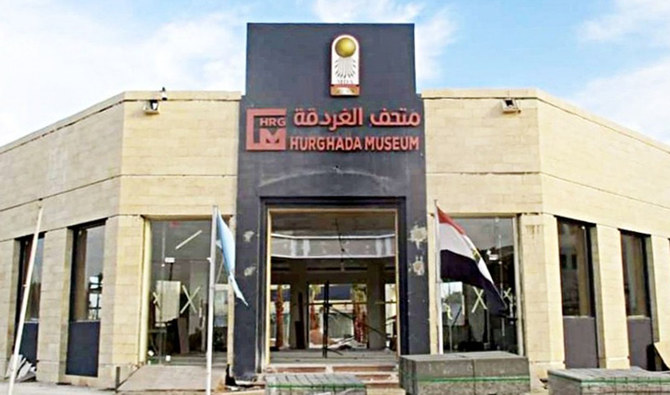

CAIRO: The Egyptian Ministry of Antiquities is putting the finishing touches to the Hurghada Museum, which will open by the end of January, coinciding with the national day of the Red Sea governorate.
The Hurghada Museum is the first to be inaugurated in partnership with the private sector in Egypt.
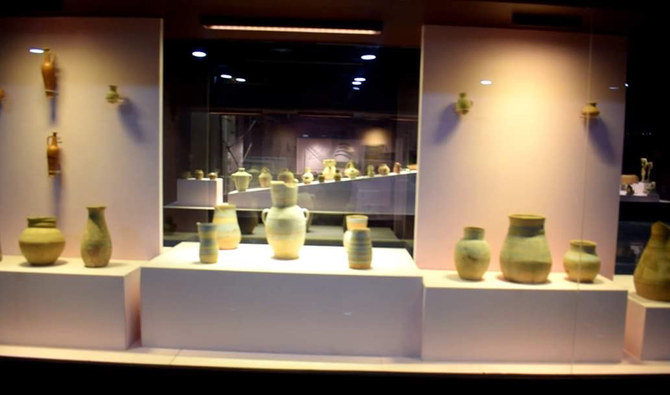
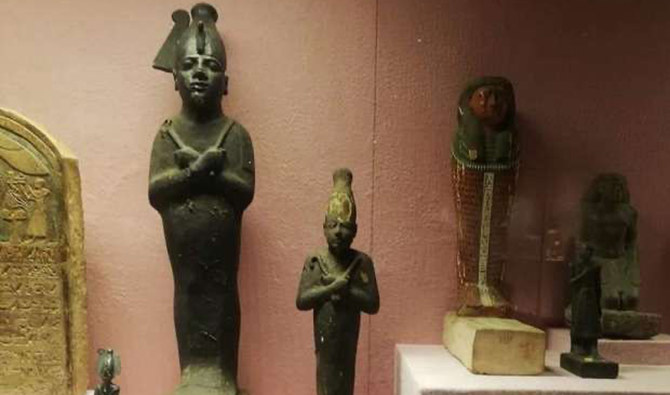
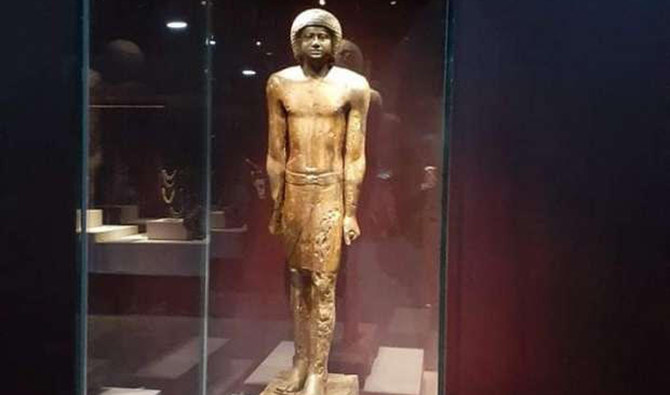
It houses 1,000 artifacts including royal pieces that date back to the royal epoch in Egypt at the beginning of the 20th century.
The museum is expected to contribute to boosting tourism in the Red Sea governorate east of Cairo.
Hurghada is a city in the Red Sea governorate, a major tourist center 400 km from the capital.
The museum, which covers 10,000 square meters, displays artifacts, and has an entertainment area, shopping complex and parking lots. It cost 160 million Egyptian pounds ($10 million).
Tourism and Antiquities Minister Khaled El-Anany said in a statement issued by the ministry that a few changes were being made to the displays so that pieces would “match certain places in the museum.”
El-Anany said that the museum would also include a section to display the cultural heritage and monuments of the Red Sea.
He said the inauguration of the museum “would contribute to a great extent in attracting tourists to visit museums during their stay in Hurghada in addition to enjoying beach activities. Thus, this will increase the state’s income and promote Egyptian antiquities.”
Museum officials have put on show the statue of Queen Meret Amun, replacing the King Tutmoses III plate.
They decided to give the statue a more prominent place in front of the museum.
Bashar Abu Taleb, head of the Red Sea Tour Guides Union, said that the artifacts reflect the elements of beauty in Egyptian civilization across the eras.
Abu Taleb said the museum introduces beauty at a deeper level and in more detail, in addition to displaying instruments used in daily life, such as makeup, cooking utensils and clothes.
The museum will include a special section displaying the cultural heritage and monuments of the Red Sea.
Abu Taleb said that the museum would include all the monuments of the Red Sea governorate, which were selected from museum storehouses in Cairo.
The selected pieces include artifacts from Al-Hammamat Valley, the Roman city monuments in Safaga, the Roman city in Gouna, and Wady Gasus, south of Sinai, in addition to monuments belonging to various eras, including gold pieces, artifacts belonging to the family of Mohamed Ali, regarded as the founder of modern Egypt, and a Roman theater. The Red Sea governorate announced on its official Facebook page that Red Sea Governor Amr Hanafy was following up on construction work at the museum.
Hanafy inspected a number of pieces prior to the museum’s inauguration on the national day of the governorate scheduled for Jan. 22.
However, the Ministry of Antiquities has yet to officially announce the inaugural date.
World-renowned antiquities expert, Zahy Hawwas, said that the Hurghada Museum was one of the best projects implemented by the Ministry of Antiquities in partnership with the private sector, which built the museum and covered the cost of its completion in accordance with the terms and conditions stipulated by the ministry.
Hawwas said that the Ministry of Antiquities would solely supervise the museum’s administration and that it would attract more tourists, encourage holidaymakers to visit museums during their stay in coastal areas, and would also promote Egyptian antiquities.
He said that the museum would highlight the beauty of the displayed pieces.
“It was designed in accordance with international museum standards,” Hawwas said.
“The scenario of its displays would manifest beauty and luxury in Egyptian civilization throughout the ages. Some pieces feature the luxurious home environment of the ancient Egyptians such as furniture, makeup, wigs, clothes, ornaments, perfumes, and accessories.”
Hawwas said that the museum’s displays would also feature sports equipment used for Nile fishing and hunting on land, in addition to musical instruments and dance starting from the Pharaonic era to modern times.
A special daily program will feature cultural activities that will be held at the museum’s entertainment zone.