

Al-Ahsa in Saudi Arabia’s Eastern Province set to host Arab tourism conferences

1 / 7
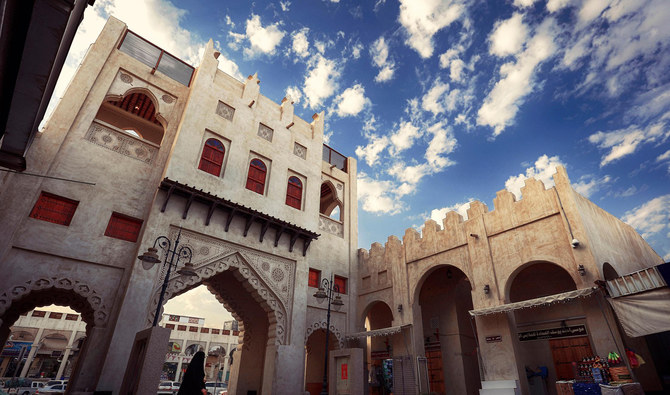
Al-Ahsa was chosen as the Arab Tourism Capital for 2019. (SPA)
2 / 7
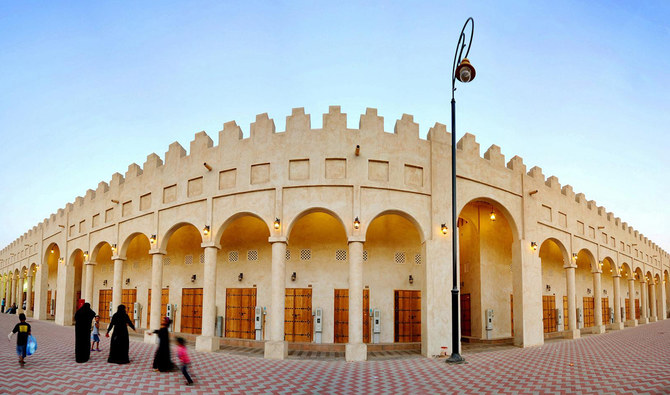
Al-Ahsa was chosen as the Arab Tourism Capital for 2019. (SPA)
3 / 7
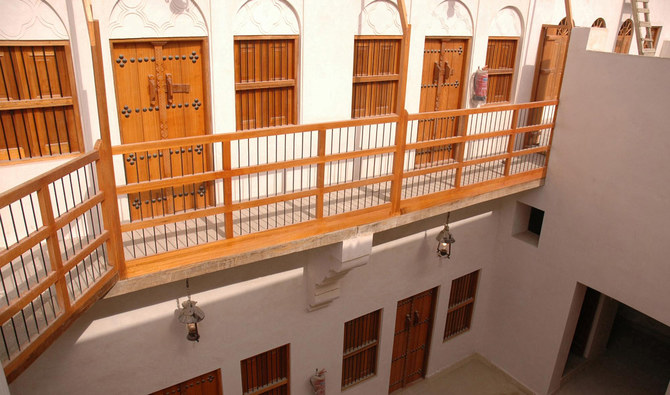
Al-Ahsa was chosen as the Arab Tourism Capital for 2019. (SPA)
4 / 7
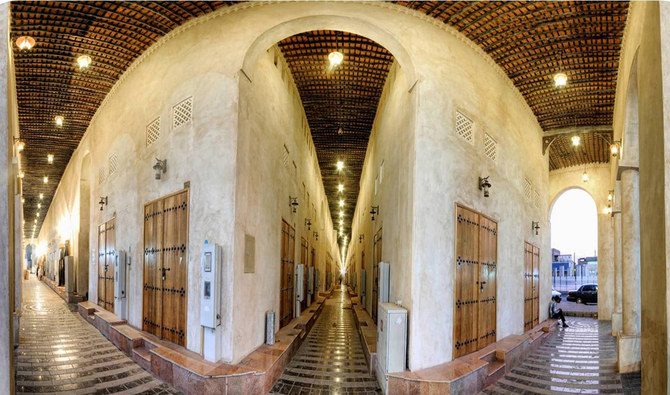
Al-Ahsa was chosen as the Arab Tourism Capital for 2019. (SPA)
5 / 7
Al-Ahsa was chosen as the Arab Tourism Capital for 2019. (SPA)
6 / 7
Al-Ahsa was chosen as the Arab Tourism Capital for 2019. (SPA)
7 / 7
Al-Ahsa was chosen as the Arab Tourism Capital for 2019. (SPA)
Short Url
Updated 18 December 2019
Follow

Al-Ahsa in Saudi Arabia’s Eastern Province set to host Arab tourism conferences

  • The meetings will take place between Dec. 22-23
  • Guests will have the chance to enjoy tourist programs in Al-Ahsa

RIYADH: Al-Ahsa will host the meetings of the 25th session of the Executive Office of the Arab Ministerial Council for Tourism and the 22nd session of the Arab Tourism Council.

The meetings, which will take place between Dec. 22-23, will be hosted by Ahmad bin Aqil Al-Khatib, chairman of the board of directors for the Saudi Commission for Tourism and National Heritage.

The Executive Office of the Arab Ministerial Tourism Council will meet on Dec. 22 while on the next day the main ministerial meeting will be held. 

Guests will have the chance to enjoy tourist programs in Al-Ahsa, including visiting a number of archaeological and historical sites, such as Al-Qarah Mountain, Beit Al-Baya, Qasr Al-Sahoud and Al-Qaysariya Historic Market.

HIGHLIGHTS

• Guests will have the chance to enjoy tourist programs in Al-Ahsa, including visiting a number of archaeological and historical sites.

• Al-Ahsa was chosen as the Arab Tourism Capital for 2019 by the Arab Ministerial Council for Tourism.

• In 2015, it became the first Gulf city to be included in UNESCO’s Creative Cities Network in the fields of crafts and folk art.

Al-Ahsa is widely considered to have the greenest and most fertile land in Saudi Arabia’s Eastern Province, while also housing prominent archaeological and historical sites.

The creative and cultural achievements of Al-Ahsa Oasis were highlighted by its mayor at a UNESCO meeting in Japan earlier this year.

In 2015, it became the first Gulf city to be included in UNESCO’s Creative Cities Network in the fields of crafts and folk art. The network brings together 180 cities from 72 countries to place creativity and cultural industries at the heart of their development plans at the local level, and to cooperate actively at the international level.

The second achievement was UNESCO’s designation of Al-Ahsa as a World Heritage Site in 2018, becoming the fifth such Saudi site. 

Moreover, Al-Ahsa was chosen as the Arab Tourism Capital for 2019 by the Arab Ministerial Council for Tourism.

These achievements would not have been possible without the Saudi government’s support, and Al-Ahsa residents’ relentless efforts to maintain their cultural heritage.


Najran’s camels are embedded in local culture and traditions

Camels are not only a vital livestock resource in Najran, but also a cornerstone of local identity and tradition. (SPA)
Updated 25 December 2025
Follow

Najran’s camels are embedded in local culture and traditions

  • Several distinct camel breeds are found in the region
  • Animals permeate Arab consciousness, says expert

RIYADH: In Najran, camels are not only a vital livestock resource but also a cornerstone of local identity and tradition.

According to Hadi Benyan Al-Amer, head of Najran’s Camel Association, the region has several distinct camel breeds.

Principal among them is the Awarik, an ancient Arabian lineage linked to territories where arak trees flourish, the Saudi Press Agency reported on Thursday.

These light-colored, sparsely-haired camels possess remarkable resilience, and are prevalent across southern Arabia.

The Majahim are characterized by dark hues spanning black to brown, and excel in both milk yield and endurance.

The Asayil are prized for their sleek, lean physiques, and dominate in speed-based competitions.

Al-Amer said traditional water sources known as Odood, or traditional water wells and artesian wells, have sustained herders navigating the Empty Quarter’s grazing lands for generations.

These permanent water points, equipped with dedicated drinking basins for camels, showcase the animals’ extraordinary environmental resilience.

Among the principal wells accessible from Najran are Al-Minkhali, Abu Shadid, Hamra Nathil, Tamani, Umm Al-Wahat, and Khujaima.

Countless additional wells dot the Empty Quarter and adjacent territories, forming the backbone of camel owners’ far-reaching pastoral networks.

Dr. Hind bint Dawood Al-Shuqair of Najran University’s Arabic Language Department explained how camels have permeated Arab consciousness through legends and stories spanning thousands of years.

Representing endurance, power, and grace, they have become inseparable from Arab cultural identity.

Archaeological evidence at Al-Ukhdood, Mount Al-Tharwa and Hima, preserves through carvings and ancient artwork the deep bond between people and camels, Al-Shuqair said.

She drew attention to Saudi Arabia’s substantial investment in camel heritage, exemplified by proclaiming 2024 as the Year of the Camel.

This designation emphasizes their importance to national prosperity and cultural heritage while backing global initiatives to promote awareness of camels as valuable economic and cultural assets.

The Kingdom further demonstrates its commitment to protecting the animals through the annual King Abdulaziz Festival, the SPA reported.