Different strokes: Saudi artist draws the line at cosmetic waste

1 / 5
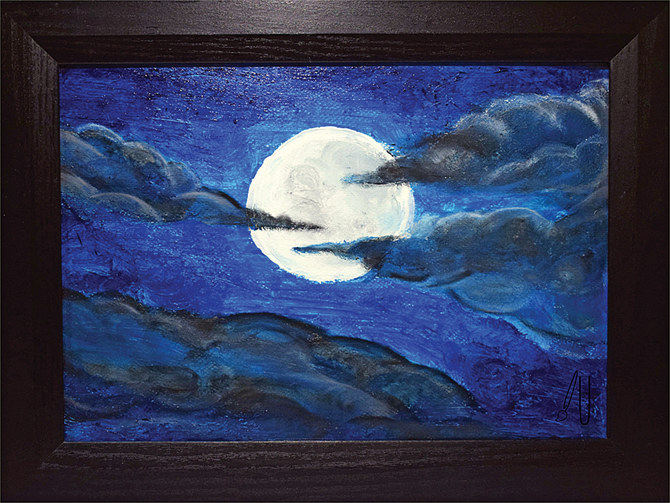
Saudi artist Aisha Javid Mir’s project, Artientifique, is drawing praise from around the Middle East and abroad. The painter, 19, has been interested in art ever since she was a toddler. (Photo/Supplied)
2 / 5
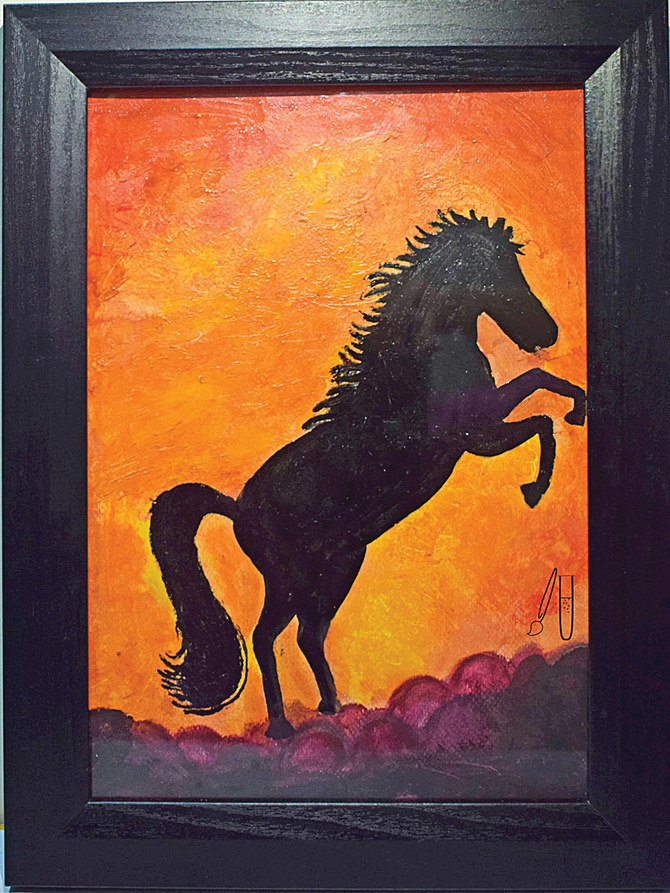
Saudi artist Aisha Javid Mir’s project, Artientifique, is drawing praise from around the Middle East and abroad. The painter, 19, has been interested in art ever since she was a toddler. (Photo/Supplied)
3 / 5
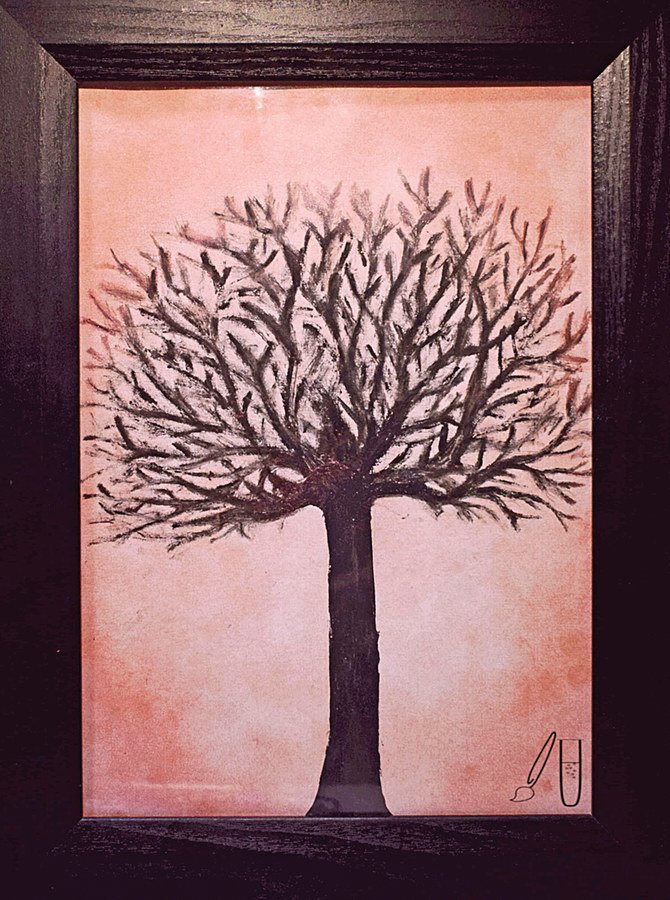
Saudi artist Aisha Javid Mir’s project, Artientifique, is drawing praise from around the Middle East and abroad. The painter, 19, has been interested in art ever since she was a toddler. (Photo/Supplied)
4 / 5
Saudi artist Aisha Javid Mir’s project, Artientifique, is drawing praise from around the Middle East and abroad. The painter, 19, has been interested in art ever since she was a toddler. (Photo/Supplied)
5 / 5
Saudi artist Aisha Javid Mir’s project, Artientifique, is drawing praise from around the Middle East and abroad. The painter, 19, has been interested in art ever since she was a toddler. (Photo/Supplied)
Short Url
Updated 15 December 2019
Follow

Different strokes: Saudi artist draws the line at cosmetic waste

  • 19-year-old student Aisha Javid Mir produces paintings that are both eye-catching and eco-friendly

JEDDAH: Using a technique all her own, one young Saudi artist is turning out artworks that not only light up a room — but also help save the planet. 

Instead of traditional oils, 19-year-old student Aisha Javid Mir uses discarded makeup and cosmetics to produce paintings that are both eye-catching and eco-friendly.

She describes the process as “beauty created out of beauty.”

Her project, Artientifique, has introduced the concept to a growing audience, drawing praise from around the Middle East and abroad.  

“The idea of using makeup to paint came to me when I was in my school,” Mir told Arab News. “One of my friends bought new cosmetics and changed her set, throwing the old cosmetics stock in the bin.” 

Mir set to work developing new painting techniques using waste cosmetics, inventing tools to help her paint.

“Makeup brushes wouldn’t work on canvas because they are designed for faces and makeup texture is different from traditional paint, so I had to think and work on it,” she said.

The idea of painting using old cosmetics sounds simpler than it was. “I worked for years to figure out how I could make a beautiful, durable, premium-quality paintings for art lovers by using waste,” she said.

“It shouldn’t ever look like it was created from trash.”

HIGHLIGHTS

• Aisha Mir has no preferences in terms of makeup products or brands.

• ‘When I collect waste stock, it is a mix of broken, sticky and old things,’ she said.

While practicing Mir introduced the idea to friends in the Middle East, India and abroad, and shared her paintings on social media, gaining positive feedback.

She said waste and poor disposal of cosmetics pose a threat to the planet through harmful chemicals and micro-plastics, with hormone disruption, genetic mutation and possible extinction of marine species among the most pressing concerns.

“I was trying to spread awareness about the harm caused by waste cosmetics. I knew what I was doing was on a small scale, but when people applauded, I realized what I was doing was great and beneficial. It motivated me to work harder,” Mir said.

The painter has been interested in art ever since she was a toddler. “I don’t remember a single day I came home in a clean uniform,” she said.

Now word of Mir’s work is spreading. She was featured in this year’s Misk Global Forum and has also collaborated with Maitreya Art, one of India’s best-known galleries.

Artientifique is helping to raise environmental awareness by allowing art lovers to buy paintings and support the initiative.

Mir said that in future she hopes to collaborate with art galleries, conduct makeup painting exhibitions and work with cosmetics brands to “convert waste into something exclusive.”


The difference between European and Gulf weddings — from a photographer’s point of view

Updated 21 January 2026
Follow

The difference between European and Gulf weddings — from a photographer’s point of view

DUBAI: From her early career in northeast France to working across the Gulf and Europe, wedding photographer Maddy Christina has observed many contrasts between such events in different parts of the world.

Her early years as a photographer were defined by variety; she worked across fashion, family portraits and weddings simultaneously before recognizing how wedding photography brings multiple genres together in a single day. 

Christina said weddings in the region required a shift in both perspective and technique. (Supplied)

“I actually fell into weddings by accident,” Christina told Arab News. “It blends every discipline at once — fashion for the couple session, sports for the reception, documentary work throughout the day, still life with details and jewelry.”

Christina’s connection to the Middle East began through Parisian clients who invited her to Dubai for a post-wedding session: “I instantly connected with the energy of the city,” she said.

Christina’s connection to the Middle East began through Parisian clients who invited her to Dubai for a post-wedding session. (Supplied)

A few years later, a wedding in Kuwait marked the start of her long-term relationship with the region.

Now working extensively across the Gulf Cooperation Council, Christina said weddings in the region required a shift in both perspective and technique.

For Christina, the most meaningful aspect extends beyond the wedding day itself. (Supplied)

“Working across the GCC has opened my mind in ways I didn’t expect,” she said, adding it felt like “resetting everything I thought I knew about weddings” — particularly compared to her experience in Europe.

She said there were clear distinctions between the two regions. “European weddings tend to be more demonstrative and expressive, while brides in the Gulf often place a deeper emphasis on tradition, family bonds and a sense of ceremony,” she said. “The emotional language is different, yet equally beautiful.”

From a technical standpoint, the contrast is just as pronounced: “In the south of France, I was used to shooting outdoors at sunset with couples already comfortable in front of the camera. Here, I often find myself in much smaller spaces, with no windows, artificial light and couples who may be more reserved.”

Christina is drawn to candid moments. (Supplied)

She added that adapting to these conditions pushed her to explore new ways of shaping light and expanded her creative approach.

While Christina is drawn to candid moments, like “guests laughing together, old friends reconnecting, a fleeting emotion passing across someone’s face,” posed pictures remain central to her work.

For Christina, the most meaningful aspect extends beyond the wedding day itself.

“It’s not the decor that makes a wedding unforgettable for me,” she said. “It’s the connection I build with the bride. That long-term bond is what feels truly magical.”