KARACHI: PayPal, the American company that operates a global online payment system has refused to extend its services to Pakistan for at least three years, citing a lack of adequate business opportunities, local media reported on Saturday.
As of this year, PayPal operates in 202 markets and has over 286 million active, registered accounts. The company allows customers to send, receive and hold money in multiple currencies.
Last month, a Pakistani delegation from the Ministry of Information Technology traveled to the US to convince PayPal to begin operations in Pakistan. But PayPal officials refused, and said Pakistan was not included in the company’s three-year road map due to inadequate business opportunities, Urdu News reported.
The Elon Musk-founded company, has also previously refused to begin operations in Pakistan, despite the country trying to secure facilitation for its 200,000 freelancers and over 7,000 registered small and medium enterprises (SME’s) in recent years.
The global online payment industry is pegged to grow ten-fold to $500 billion by 2020. Meanwhile, Pakistan expects an expansion of its electronic payments, which represent a potential market of $36 billion by 2025, as the country migrates from a cash based economy to an electronic payment system.
But IT experts believe that PayPal’s refusal to operate in Pakistan is not related to the lack of business opportunities in the country, but to its grey-listing by the Paris-based terror financing watchdog, Financial Action Task Force (FATF).
“Huge business opportunities do exist in Pakistan. I think this is the issue of FATF and not volumes, because PayPal operates even in much smaller countries as compared to Pakistan,” Hamza Matin, an IT expert and former President of Pakistan Software Houses Association (P@SHA), told Arab News.
“PayPal operates with banks and unless the confidence in the banking system is restored, they will not come to Pakistan. They fear money laundering,” he said.
FATF has given Pakistan until February 2020 to implement an action plan to get off its grey list or risk further downgrading to the blacklist which will have severe consequences for the country’s financial and banking system.
In February this year, Asad Umar, then finance minister, said the government was committed to bringing Paypal to Pakistan, and said: “We are chasing PayPal for the breakthrough.”


![]()

PayPal not yet ready to extend services to Pakistan
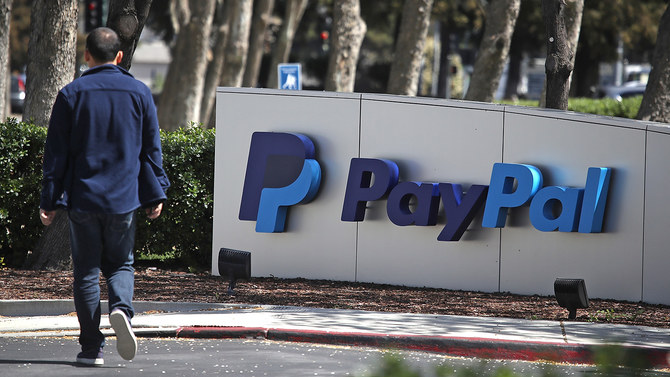
PayPal not yet ready to extend services to Pakistan
- The online payment company has cited a lack of business opportunities behind its decision
- IT experts in Pakistan believe PayPal is concerned about Pakistan’s grey-listing by the Financial Action Task Force
Latest updates


© 2026 SAUDI RESEARCH & PUBLISHING COMPANY, All Rights Reserved And subject to Terms of Use Agreement.