ISLAMABAD: Pakistan’s Ministry of Foreign Affairs confirmed on Thursday that the DNA verification process for all of the country’s pilgrims killed in last month’s fatal road crash while they were traveling from Riyadh to Makkah was done and their bodies had been buried in Saudi Arabia.
“Ten Pakistanis have been identified” after a rigorous process of trying to ascertain identities through “DNA matching,” the foreign office spokesman, Dr. Muhammed Faisal, told Arab News.
Explaining the hardships involved in the process, he said: “The bus driver who had a list also died and the passengers’ record was burnt.”
Investigators “traced a copy of the passengers’ list” from the relevant bus company which helped collect the data on the number of passengers, including all Pakistanis onboard, “but they were still unable to identify the corpses and required families of the deceased to help identify the victims.”
The foreign office has not revealed the identities of the Pakistanis until now, though it says “details will soon be released.”
It may be recalled that the bus caught fire after the accident and the charred bodies of passengers were found to be beyond recognition.
A team of Pakistani officials with the help of Saudi authorities worked tirelessly to identify all the victims, collecting DNA samples of the deceased pilgrims to ascertain their exact identities.
“None of the bodies of the Pakistani victims were brought back to the country. It’s likely that all of them were buried there [in Saudi Arabia],” the spokesman said.


Pakistani victims of Madinah bus crash identified — foreign office
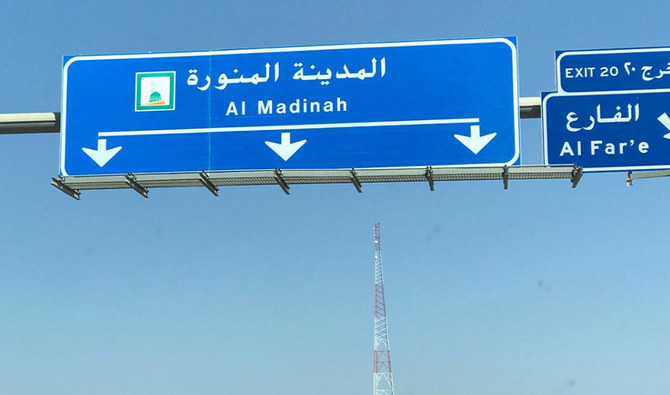

Pakistani victims of Madinah bus crash identified — foreign office

- Bodies of 10 Pakistani nationals recognized through DNA samples gathered by Saudi authorities
- Charred remains of the deceased Pakistani pilgrims buried in the Kingdom

ADB, Pakistan sign over $300 million agreements to undertake climate resilience initiatives
- Pakistan ranks among nations most vulnerable to climate change and has seen erratic changes in weather patterns
- The projects in Sindh and Punjab will restore nature-based coastal defenses and enhance agricultural productivity
ISLAMABAD: The Pakistani government and the Asian Development Bank (ADB) have signed more than $300 million agreements to undertake two major climate resilience initiatives, Pakistan’s Press Information Department (PID) said on Tuesday.
The projects include the Sindh Coastal Resilience Sector Project (SCRP), valued at Rs50.5 billion ($180.5 million), and the Punjab Climate-Resilient and Low-Carbon Agriculture Mechanization Project (PCRLCAMP), totaling Rs34.7 billion ($124 million).
Pakistan ranks among nations most vulnerable to climate change and has seen erratic changes in its weather patterns. In 2022, monsoon floods killed over 1,700 people, displaced another 33 million and caused over $30 billion losses, while another 1,037 people were killed in floods this year.
The South Asian country is ramping up climate resilience efforts, with support from the ADB and World Bank, and investing in climate-resilient infrastructure, particularly in vulnerable areas.
“Both sides expressed their commitment to effectively utilize the financing for successful and timely completion of the two initiatives,” the PID said in a statement.
The Sindh Coastal Resilience Project (SCRP) will promote integrated water resources and flood risk management, restore nature-based coastal defenses, and strengthen institutional and community capacity for strategic action planning, directly benefiting over 3.8 million people in Thatta, Sujawal, and Badin districts, according to ADB.
The Punjab project will enhance agricultural productivity and climate resilience across 30 districts, improving small farmers’ access to climate-smart machinery, introducing circular agriculture practices to reduce residue burning, establishing testing and training facilities, and empowering 15,000 women through skills development and livelihood diversification.
Earlier this month, the ADB also approved $381 million in financing for Pakistan’s Punjab province to modernize agriculture and strengthen education and health services, including concessional loans and grants for farm mechanization, Science, Technology, Engineering and Mathematics (STEM) education, and nursing sector reforms.


