



DUBAI: A YouGov survey of 3,033 respondents in the Middle East and North Africa has found that over 50 percent of Arabs picked “samurai”, “car manufacturing” and “sushi” as aspects they most associate with Japan.
Riding the bullet train proved to be an exciting prospect for Arabs across all age groups, with 63 percent saying it is among the top three attractions in Japan.
For Dubai-based architect Mohamed Rowaizak, 24, from Egypt, riding the bullet train was an unforgettable experience. “It was like time travel. It was definitely too fast for me,” he said.
However, it was the architecture and art scene that Rowaizak fell in love with during his trip to eight Japanese cities in 2016.
“The buildings had a historical presence and I loved seeing the work of Tadao Ando, a famous Japanese architect,” he said.
More than half of Arabs aged 16 to 24 said that they were interested in Japanese cuisine.
Unlike many others from his generation, Rowaizak did not dwell over the country’s customary tourist stops such as the hub of anime, Akihabara, or the various sushi bars in every city, but focused on experiencing the Japanese lifestyle as authentically as possible.
“I stayed with locals during my visit to Kyoto who were very generous and introduced us to different aspects of the culture, such as the kimono,” Rowaizak said.
“I took a trip with a group of friends to Naoshima, an island town in Japan, where I was able to experience the refreshingly simple life of the residents.”
The survey also found that among respondents who are aged 40 or above, 81 percent would like to visit Japan for its environment, along with its national parks, World Heritage sites, and Mount Fuji.
Other attractive aspects of Japanese culture included learning more about traditional arts and rituals, including the tea ceremony.
“I think there is a gap in what people think Japan is about and what you actually experience there,” Rowaizak said.
“The culture is a lot deeper than the rituals, which of course have meaning and significance, and have been passed down through generations. I found that the people behind these aspects of the culture and architecture are even more valuable.”
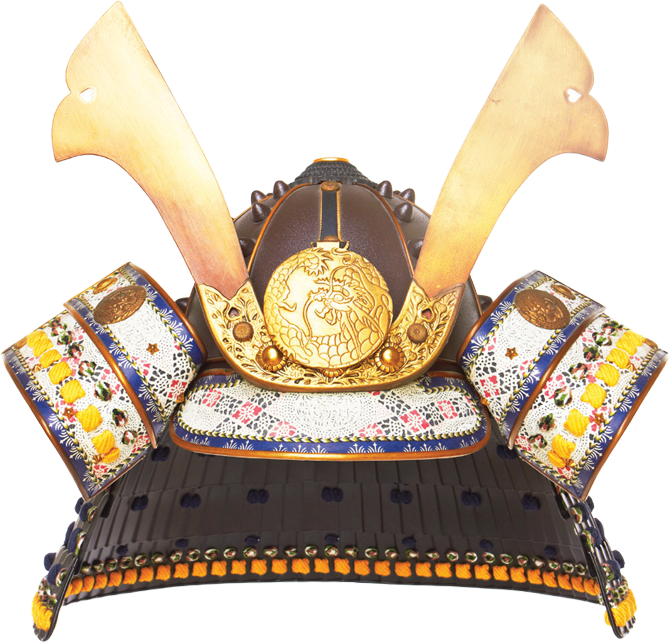
Caption
Meanwhile, over half of Arabs aged 16 to 24 said they were more interested in the gastronomic experience, with local Japanese cuisine cited as one of the main motives for travel.
This was the case for Salma Al-Shahed, a 27-year-old Dubai resident who was surprised by the variety of Japan’s culinary offerings during her visit in October.
“The list of top attractions in Japan is endless, but if I were to name just three, I would say the nature, architecture and the food. Even the non-Japanese food is incredible and I am yet to have Western-style breads and baked goods as good as the ones I had in Tokyo,” she said.
Al-Shahed said she enjoyed getting lost in Tokyo’s beautiful alleys, which often led to discoveries of hidden restaurants and timeless shops.
“I did not think that I would enjoy the random walks through neighbourhoods like Nakameguro and Daikanyama as much I did,” she told Arab News.
“I learnt the hard way than when in Japan, do not plan everything and allow yourself to get lost in Tokyo. You may find something that is even better than what you had seen in a guide or blog.”
The survey also revealed that 50 percent of Arabs associate natural disasters with Japan, with earthquakes being particularly higher on the list for respondents from North African countries.
Speaking from experience, Shifa Zghoul, a previous long-term resident of Japan, said the Japanese people are well-prepared for earthquakes.
Most schools and community centers frequently conduct drills with clear instructions on what to do in case of earthquakes.
“I experienced the big earthquake that hit Japan in 2011, and I was so impressed by the calmness of the Japanese people,” Zghoul told Arab News.
“They avoided elevators and used the stairs on one side, leaving space for others. In supermarkets, they would only take one or two packs of food items and leave some out of courtesy for others.”
Throughout her stay in Tokyo, Zghoul said she was usually approached by residents and neighbours during an earthquake who rushed to comfort her and her family and assist them in ensuring the protocols were followed in case of an emergency.
“News alarms and the radio all played an important role in keeping everyone updated and informed,” she said.
“We were always informed of the emergency escape locations, which in my case were either the nearby school hall or the big Yoyogi park.”


