CAIRO: Libya’s coast guard says it’s intercepted dozens of Europe-bound migrants off the country’s Mediterranean coast.
Spokesman Ayoub Gassim said Sunday the migrants were returned to shore and would be taken to a detention center in the capital, Tripoli.
Gassim said a rubber boat with 89 African migrants, including 16 women and two children, was stopped Saturday off Libya’s western town of Khoms, around 120 kilometers (75 miles) east of Tripoli.
Libya has emerged as a major transit point for migrants fleeing war and poverty to Europe. In recent years, the EU has partnered with Libya’s coast guard and other local groups to stem the dangerous sea crossings.
Rights groups, however, say those policies leave migrants at the mercy of armed groups or confined in squalid detention centers rife with abuses.


Libya coast guard intercepts dozens of Europe-bound migrants

Libya coast guard intercepts dozens of Europe-bound migrants

- The migrants were returned to shore and would be taken to a detention center in Tripoli
- Libya has emerged as a major transit point for migrants fleeing war and poverty to Europe


Iran says students have right to protest but must know ‘red lines’
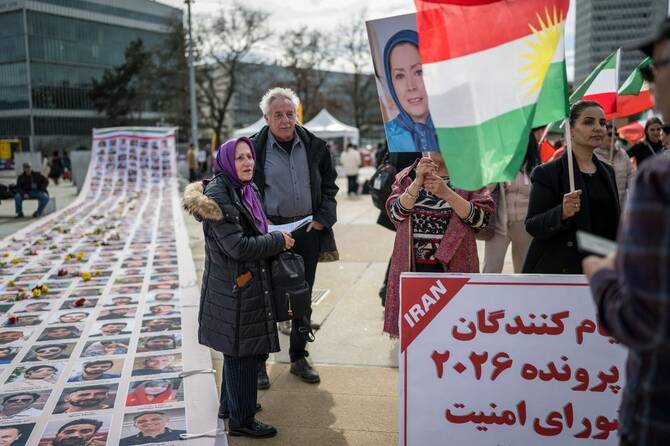
- University students in Iran started a new semester Saturday with pro- and anti-government rallies, according to local media
Tehran: University students have the right to protest but everyone must “understand the red lines,” the Iranian government’s spokeswoman said Tuesday, in the first official reaction to renewed rallies on campuses since the weekend.
“Sacred things and the flag are two examples of these red lines that we must protect and not cross or deviate from, even at the height of anger,” Fatemeh MoHajjerani said.
She said Iran’s students “have wounds in their hearts and have seen scenes that may upset and anger them; this anger is understandable.”
University students in Iran started a new semester Saturday with pro- and anti-government rallies, according to local media, reviving slogans from nationwide demonstrations that peaked in January and led to thousands of deaths.
Protests first began in December sparked by economic woes in the sanctions-hit country, but grew into nationwide demonstrations on January 8 and 9.
The US-based Human Rights Activists News Agency (HRANA) has recorded more than 7,000 deaths, while warning the full toll is likely far higher.
Iranian officials acknowledge more than 3,000 deaths, but say the violence was caused by “terrorist acts” fueled by the United States and Israel.
MoHajjerani on Tuesday said a fact-finding mission is investigating “the causes and factors” of the protests and will provide reports.