MANCHESTER, England: Prime Minister Boris Johnson will shortly present the European Union with proposals for an amended Brexit agreement, including new ideas that remove the contested insurance policy for the Irish border that Britain previously signed up to.
More than three years since the 2016 referendum, the United Kingdom is heading toward an Oct. 31 exit date without a clear understanding of whether it will leave with a deal, without a deal or even leave by that deadline.
Even before the proposals were formally made, Ireland dismissed the ideas that had been previously floated with Foreign Minister Simon Coveney quipping: “Non-Starter.”
“We’ve made a very good offer, we’re going to make a very good offer, we’re going to be tabling it formally very soon,” Johnson, a Brexiter who helped lead the Out campaign in the referendum, told the BBC.
“We do think there’s a good way forward, we do think there’s a good solution. I very much hope that our European, EU friends in Brussels, in Dublin, in Germany as well will want to take it forward.”
Johnson said he wanted to get rid of the hotly contested element of the Brexit divorce agreement — the Irish border backstop — and that there was no point in leaving the EU if one stayed locked in an EU customs union.
“What we want to do is to get rid of the backstop, that is the most important thing,” Johnson said.
“Getting rid of the backstop is a fantastic thing because what that does is it enables the UK genuinely to take back control of our regulatory framework, our tariffs, our customs and commercial policy and it allows us to go forward with a new and exciting relationship, not just with the EU but also with the rest of the world,” he said.
The backstop is an insurance policy to prevent the return of border infrastructure between the British province of Northern Ireland and the Irish Republic.
Johnson brushed away criticism of leaked plans to manage the Irish border after Brexit, saying comments from Brussels and Dublin were not aimed at Britain’s final proposals.
“As far as I can make out from what I’ve seen from the response from Brussels and I think Dublin, they’re not talking about the proposals that we’re actually going to be taking, they’re talking about some stuff that went in previously,” Johnson told the BBC.


![]()

UK PM Johnson to submit Brexit grand bargain but Ireland skeptical
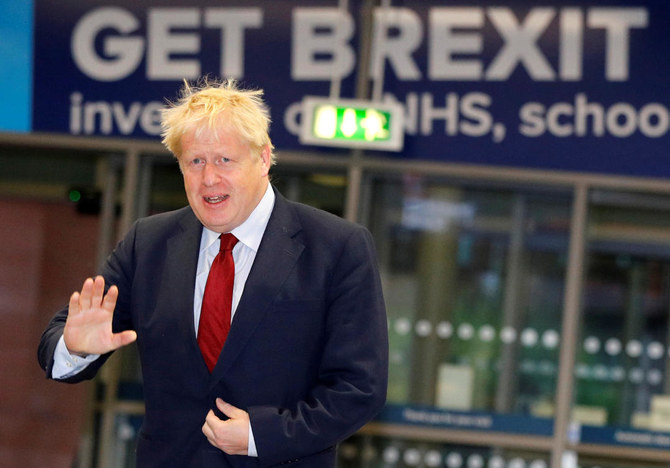
UK PM Johnson to submit Brexit grand bargain but Ireland skeptical
- The UK is heading toward an Oct. 31 exit date without a clear understanding of what happens next
- ‘What we want to do is to get rid of the backstop, that is the most important thing’


Latest updates





© 2026 SAUDI RESEARCH & PUBLISHING COMPANY, All Rights Reserved And subject to Terms of Use Agreement.