- Islamabad not accepting foreign assistance at this stage since it has required resources for relief and rehabilitation
- Relief operation continues as death toll soars to 39
ISLAMABAD: The United Nations and United Arab Emirates (UAE) have offered assistance to more than 10,000 quake-affected people in Azad Kashmir and adjoining areas in the eastern Punjab province, National Disaster Management Authority (NDMA) officials said on Thursday as the death toll in Tuesday’s earthquake of 5.8 magnitude soared to 39 with 723 people injured.
The quake-affected areas also received aftershocks that caused minor injuries to about 55 people in Kashmir’s Mirpur city. The US Geological Survey put the tremors at 4.7-magnitude with a depth of 10 kilometers.
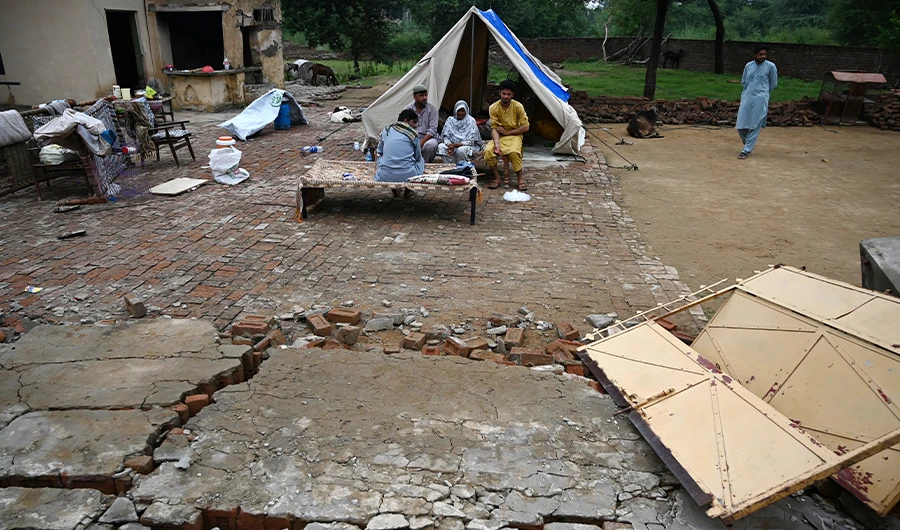
Tuesday’s earthquake flattened homes and shops and split roads open in an area between the towns of Jhelum in Punjab province and Mirpur in Kashmir. The relief operation with the help of army troops and other emergency responders is now in progress in the region.
“The death toll has increased to 39 with 723 people injured,” Saqib Mumtaz, deputy-director (media) at the NDMA, told Arab News. “As per the initial data, we can say that more than 10,000 individuals are directly affected with 454 homes completely damaged.”
Shortly after the details of the quake emerged, friendly nations like the UAE and Japan offered their assistance to deal with the relief and rehabilitation operations.
“The UN country representative in Pakistan has offered full support especially for rehabilitation of women and children in the affected areas,” Mumtaz said. “The UAE ambassador [in Pakistan] and Japan have also contacted us to support the quake victims.”
On Wednesday, UAE ambassador to Pakistan Hamad Alzaabi wrote in a Twitter post: “I have received direct instructions from Abu Dhabi to provide all kinds of support and assistance to families and areas affected by the earthquake in different parts of Pakistan … we are currently assessing the needs with NDMA of Pakistan, our condolences to bereaved families.”
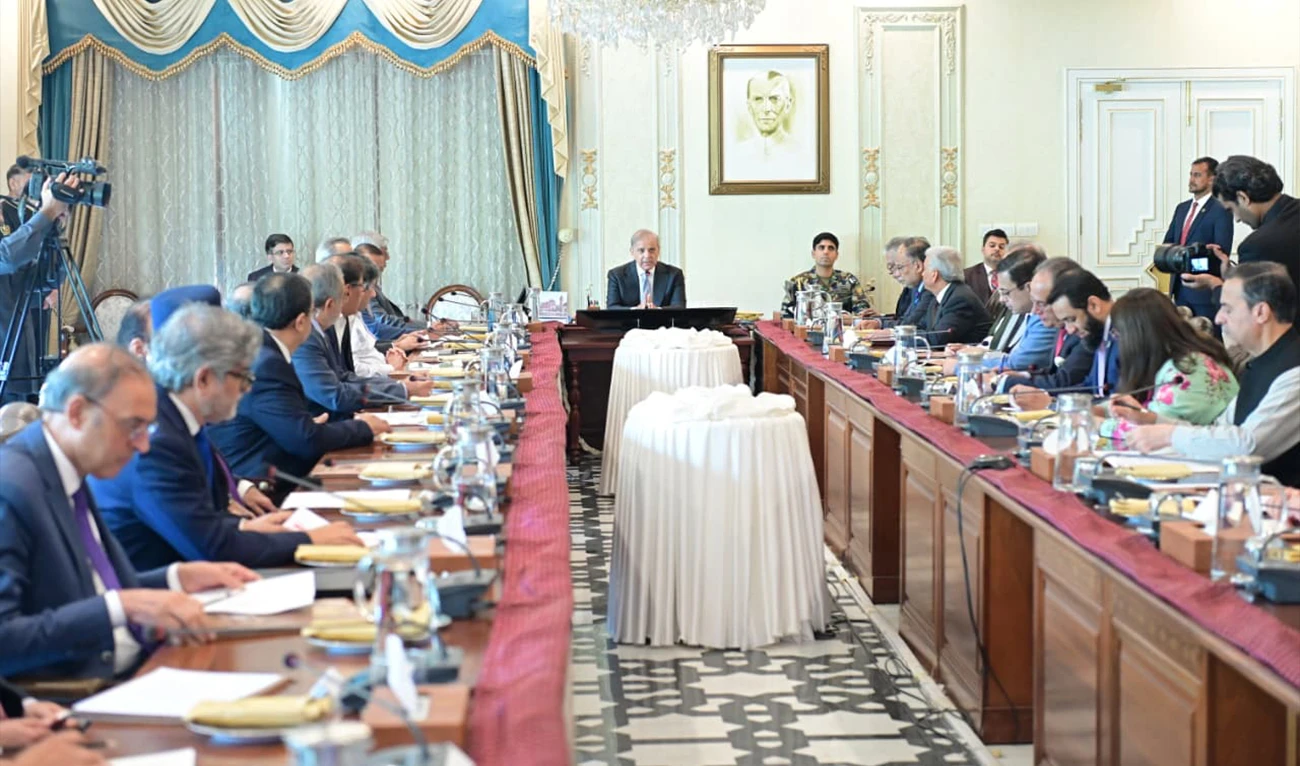
The NDMA official, however, said that Pakistan was not accepting any foreign assistance at the moment as “all needed resources” were available for the relief and rehabilitation of the people.
The government has provided food bags, tents, blankets, kitchen utensils and fresh water to the quake-affected people while reports regarding damage and destruction to the property were being prepared through field trips. Medical teams along with paramedics have already reached in the area with ambulances, life-saving drugs, surgical kits and other necessary medicines.
“We will hopefully be able to start the rehabilitation process within a week or so,” Mumtaz said, adding that the disaster management authority would ensure that “sustainable and earthquake-resistant buildings are constructed to avoid recurrence of the damage.”
The last major earthquake in Kashmir occurred in October 2005, killing almost 80,000 people and leaving 3.5 million homeless, mainly in Azad Kashmir.