- US envoy Zalmay Khalilzad suggested Taliban political representatives should go to US
- Controversy over cease-fire led to breakdown of talks, say Taliban
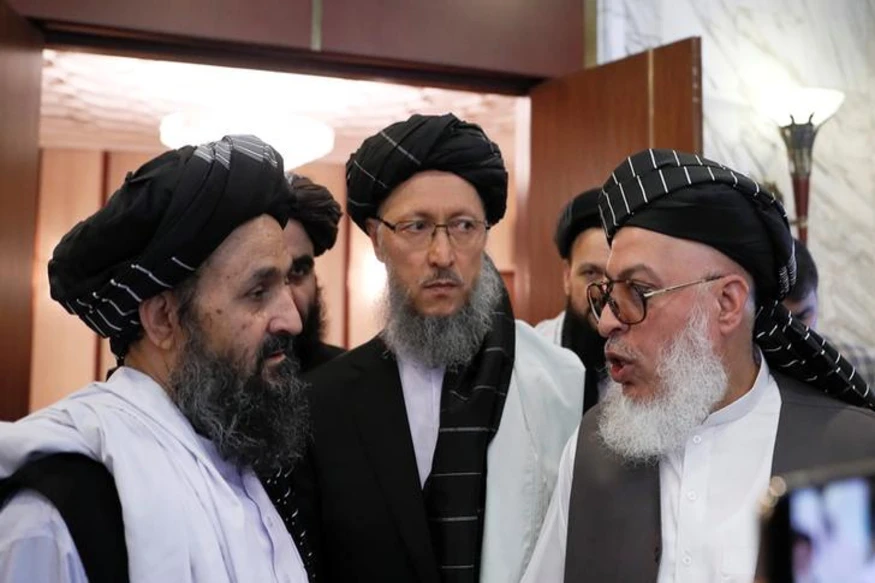
ISLAMABAD: The Taliban Rahbari Shoura – or Supreme Council – recently stopped the group’s negotiating team from visiting the United States since any interaction with the Americans in Washington would have been viewed as abject surrender, a Taliban leader privy to the shura’s decision told Arab News on Sunday.
The revelation was made only a few hours after US President Donald Trump said he had called off a secret summit with the Taliban at Camp David due to the group’s ongoing campaign of violence in Afghanistan.
“Unbeknownst to almost everyone, the major Taliban leaders and, separately, the President of Afghanistan, were going to secretly meet with me at Camp David on Sunday,” he said in a tweet, adding: “What kind of people would kill so many in order to seemingly strengthen their bargaining position? They didn’t, they only made it worse!”
Talking on condition of anonymity after the breakdown of US-Taliban talks, the senior member of the Afghan militia informed it was US envoy Zalmay Khalilzad who had suggested the visit to the Taliban political representatives during the ninth round of talks last month in which both sides finalized a draft agreement to end the conflict in Afghanistan.
“But when the suggestion was shared with the shura, the Amir Al-Mu`minin [Maulvi Haibtullah] and other members rejected the proposal,” he said.
The Taliban leader added the head of the group’s political office, Mullah Abdul Ghani Baradar, and a majority of the Qatar office members supported the proposal, but it was opposed by the shura that also condemned the willingness of several members to travel to the US.
Meanwhile, a Taliban negotiator admitted that differences over cease-fire during the ninth round of US-Taliban negotiations was one of the major reasons for the cancelation of talks in Qatar by President Donald Trump.
He said Khalilzad insisted the Taliban should declare cease-fire across Afghanistan, a suggestion rejected by the Taliban negotiators as it would have constituted a deviation from the group’s earlier understanding.
The Taliban had previously agreed to declare a cease-fire in those areas from where the foreign forces were considering to begin the withdrawal process, he added.
However, the US envoy came up with the new demand last month which was declined by the Afghan faction.
“The Taliban rejected Khalilzad’s demand and reiterated their position on the issue. They also said the cease-fire would be decided during the intra-Afghan dialogue that was planned to begin two weeks after the announcement of the US-Taliban peace agreement,” he said.
The US wanted the Taliban to declare cease-fire at the start of the talks in Qatar in October last year, but the Afghan group had concerns that Washington was trying to reduce the militia’s fighting capability while American and NATO forces were still stationed in Afghanistan, said the Taliban official.
Taliban spokesman Zabihullah Mujahid had also told Arab News in a series of audio messages on Saturday that there was no agreement with the Americans that the group would not carry out attacks against them. “But when the peace deal is signed, [we] will honor whatever decisions are made in the agreement,” he added.