

What it is
The Arab News Hajj app is a free smartphone application designed to help pilgrims visiting Saudi Arabia to perform the holy rituals. It offers essential information and contact details needed during their spiritual journey. 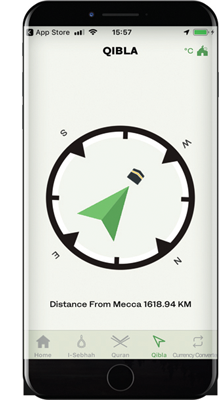
This year’s version of the app, endorsed once more by the Muslim World League, comes with a new design that provides an improved user experience. Enhanced features include live news updates and the signature ‘Pilgrim Tracker,’ which enables worshippers to connect with their loved ones back home. The new features give pilgrims the option to listen to verses from the Qur’an, to use a digital Qibla compass and activate a real-time currency converter to help to process their payments.
What it does: Main features
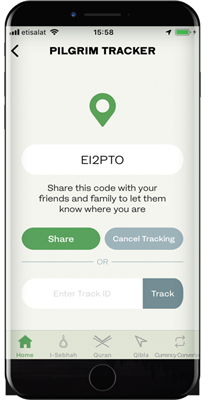 Pilgrim tracker: If you get lost in the crowd of Hajj pilgrims, there is no need to panic. This feature allows you to track and check on friends and family while performing Hajj. Each user has a unique code that can be shared with their loved ones to let them know where they are.
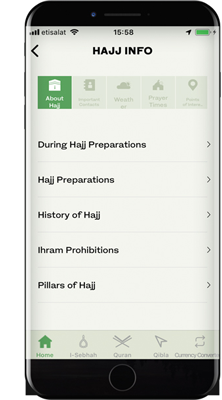 Hajj information: All you need to know about Hajj rituals. Key information such as daily prayer times and weather updates can also be found under this feature. It also has important contact details of all embassies and other useful numbers such as hotels and restaurants. The feature also shows pilgrims the nearest hospitals, train stations and Grand Mosque gates.
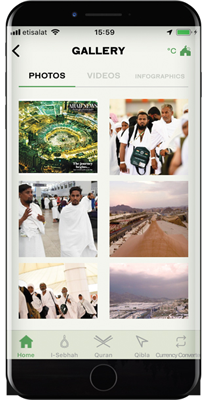 Latest news: Pilgrims no longer need to worry about grabbing newspapers or checking online news outlets while performing Hajj. All the latest stories and developments from our team of journalists covering Hajj will be listed in detail under this feature.