DUBAI: The story of Azizi Developments transcends its journey from a plot of land in 2007 to more than 200 projects today.
Since then, the company has delivered 8,200 homes, worth over $12 billion.
In the words of Farhad Azizi, the CEO of Azizi Developments, it is as much about the “opportunity to actively contribute to the development of Dubai” and to grow as part of such an “awe-inspiring” city.
“Much like this Emirate, which we call our home, we have grown very rapidly,” said Farhad, who has been the driving force behind the company's strategy.
In the process, Azizi has had to adapt to market trends and the crests and troughs of the property market. Over a decade spent in banking, construction, oil, gas and hospitality came in handy while steering the Azizi ship.
“We launched our first development in 2008, selling over $1 billion worth of properties,” he said. It was to be the beginning of a remarkable journey that was rudely interrupted by the collapse of property prices.
“In July and August of 2008, our clients approached us, gravely concerned that they were unable to continue their payments,” said Farhad.
Like other real estate developers, Azizi received many requests for projects to be stopped and for deposits to be returned.
Azizi investigated every case individually with the help of the Dubai Land Department and handed back all deposits.
“Despite all the chaos occurring around us, we are proud to say that we were one of the very few developers to have done this.
“We returned a total of 149 million dirhams ($40.565 million) that was already spent on design, marketing, and land payments, and that was not sourced from an escrow account, as a gesture of goodwill,” he said.
The period of turbulence, however, had some important lessons, and smart operators emerged stronger. “The most important lesson we have learned from the crisis is to prioritize our customers, at all times,” added Farhad.
“Naturally, when purchasing power decreases, customers become more selective and meticulous in their purchase decision-making process. Those with strong products prosper, and those with offerings that do not meet needs adequately suffer.”
Farhad stands by the much-maligned off-plan property market, calling it a matter of trust.
“In today’s world of immediate knowledge transfer, where social media posts and review sites enable customers to inform themselves and shape their image of a business, transparency is the absolute key to building trust.”
Besides, what matters most is a strong return on investment. “Only research-driven companies that leverage the latest technologies will innovate and prosper.”
Like most other companies in this business, Azizi is also pinning hopes on Expo 2020, which is expected to be a key driver for the real estate sector and the economy as a whole.
“As the first-of-its-kind mega-event hosted in the region, welcoming over 25 million visitors, it will boost the economy by over 3.5 percent,” Farhad added.
His optimism is based on the fact that a lot of Azizi projects have accessibility to the Expo 2020 site, which will continue to grow as a vibrant leisure and business destination even after the event.
Farhad also has an interesting theory on millennial buyers. He believes, with 60 percent of the region’s population now below the age of 30, millennial professionals are the most important demographic.
“While our research finds that young professional millennials are often anxious and have a fear of commitment, they are becoming increasingly aware of the benefit of moving from home renting to ownership,” he said.
They are, he believes, realizing that renting only helps pay someone else’s mortgage, when they could turn the expense, or “dead investment” of rental payments, into installments toward a profitable asset.
“For example, while renting costs for 20 years can amount to upwards of 2.16 million dirhams, buying a similar property in the same location would cost just over 1.76 million dirhams, not to forget that the investor then owns a valuable, lucrative asset after the 20-year period, once the mortgage is paid off.”
Farhad also has a special mention for Saudi investors who, according to him, stand out for being investment savvy. “They inform themselves extremely well of the different locations, the planned infrastructure and amenities.”
So what does the future have in store for Azizi Developments? For a start, Farhad is confident that since Dubai has one of the fastest-growing populations in the world, market absorption rates will withstand the supply.
“By the end of 2019, we aim to complete approximately 4,000 units. We have dedicated this year to the swift development and timely completion of our projects.”


![]()
![]()

Azizi chief believes Dubai demand will absorb coming housing supply
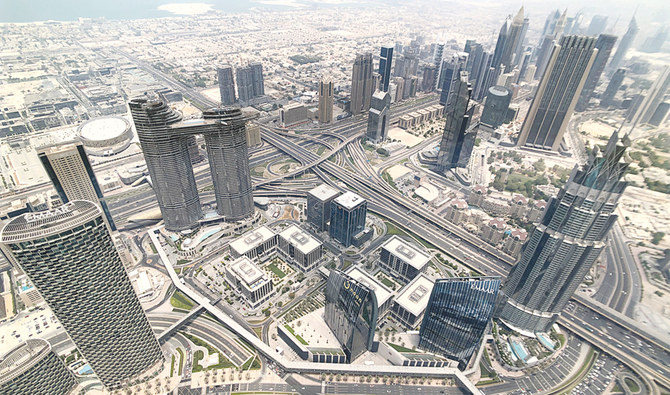
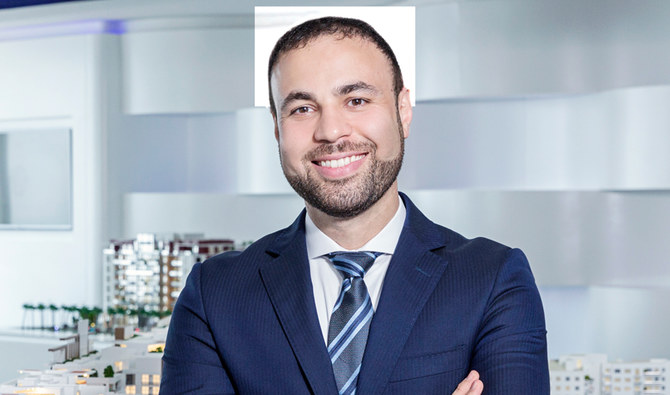
Azizi chief believes Dubai demand will absorb coming housing supply
- CEO pinning hopes on Expo 2020, which is expected to be key driver for real estate sector and economy as a whole


Latest updates


© 2026 SAUDI RESEARCH & PUBLISHING COMPANY, All Rights Reserved And subject to Terms of Use Agreement.