


Islamabad: The dollar is up and so is the heat and that means escape seems both unattainable and utterly necessary.
With the rupee trading at 156-157 in the open market on Friday and inflation at a five-year high, international travel is becoming increasingly unaffordable even for those used to taking extravagant vacations. But not to despair; there are plenty of places that one can visit inside Pakistan without breaking the bank. Just make sure you have a great time and remember to pick up your trash!
Murree
For people from Islamabad and Rawalpindi, the resort town of Murree is just an hours drive away. Once a charming colonial town nestled in the Himalayan foothills, it is now a popular hill station and bustling summer resort. Places to visit include The Mall, Kashmir Point and the remains of what was once a Murree Brewery factory.
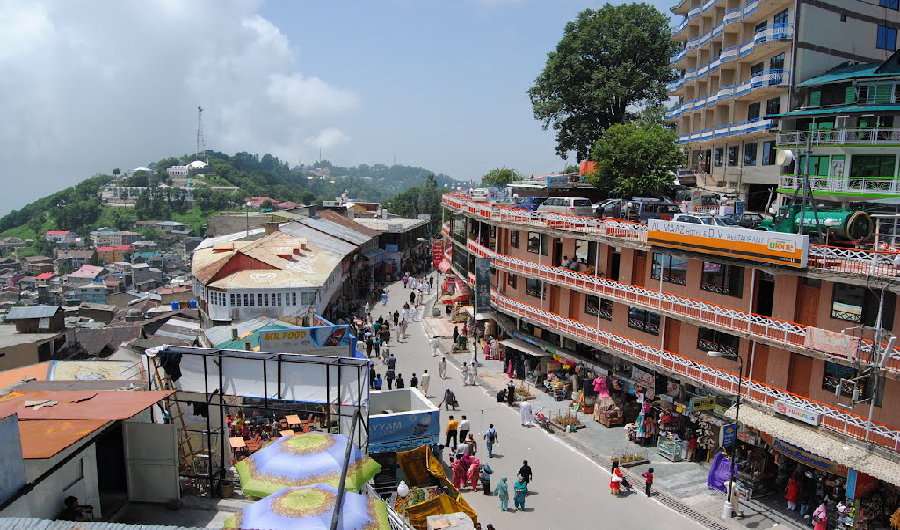
Murree is a mountain resort town, located in the Galyat region of the Pir Panjal Range, within the Rawalpindi District of Punjab, Pakistan. (Photo Credits: Social Media)
Nathia Gali
The slightly more sophisticated, much greener and cleaner elder sister of Murree, Nathia Gali manages to stay cool well into the summer months. There is no dearth of scenic lodgings available at this resort town and it is littered with gorgeous hiking trails like Mukeshpuri and Miranjani. It’s a three-hour drive from Islamabad, so still do-able for a day trip but the perfect getaway for the weekend.
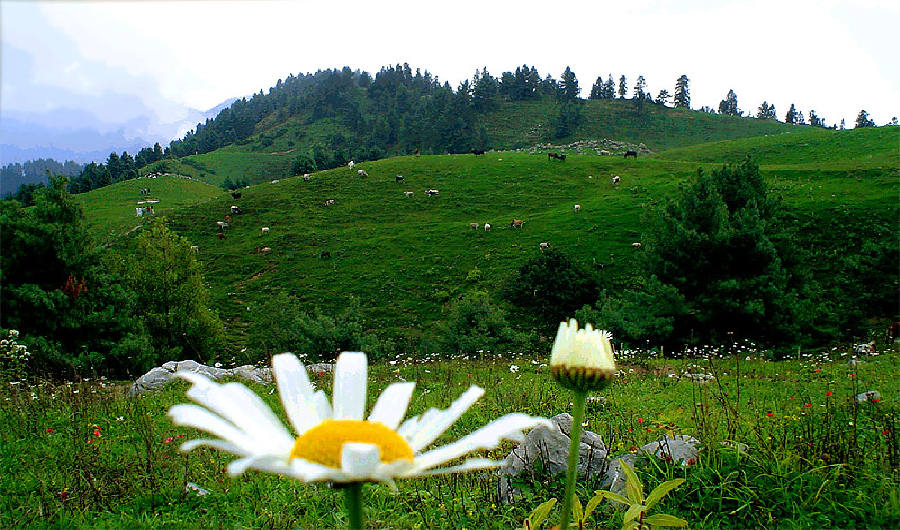
Nathia Gali is a mountain resort town or hill station in Abbottabad District of Khyber Pakhtunkhwa, Pakistan. (Photo Credits: Social Media)
Kaghan Valley
If you have a long weekend to spare, Kaghan Valley is the place to go. The alpine-climate valley is considered the jewel among the beautiful valleys of Mansehra district and is famous for its cedar and pine trees and for fishing. There are many resorts and hotels to stay at if you want to live in civilization but there are also as yet untouched corners where the more adventurer visitors can go and camp. Shogran in Kaghan Valley offers magnificent views of Malika Parbat, Makra and Musa ka Musalla.
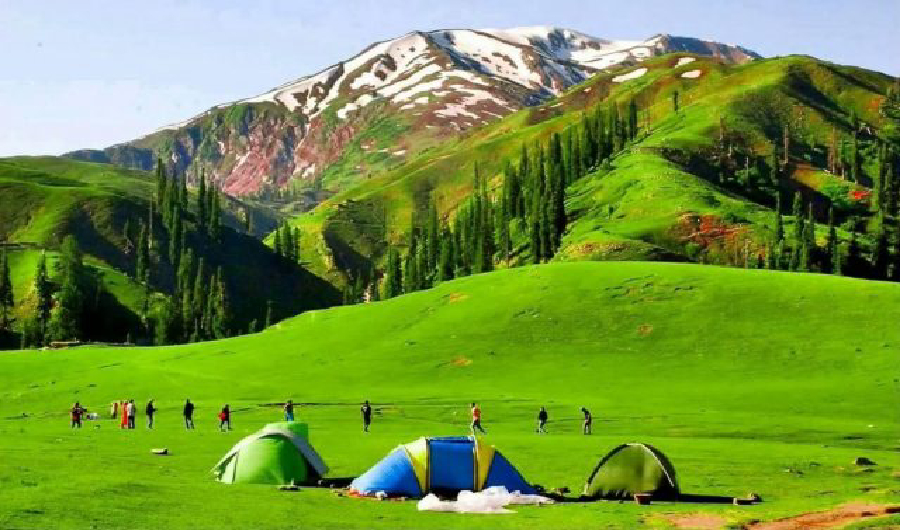
Kaghan Valley is an alpine-climate valley in Mansehra District of the Khyber Pakhtunkhwa Province of Pakistan. (Photo Credits: Social Media)
Gilgit-Baltistan
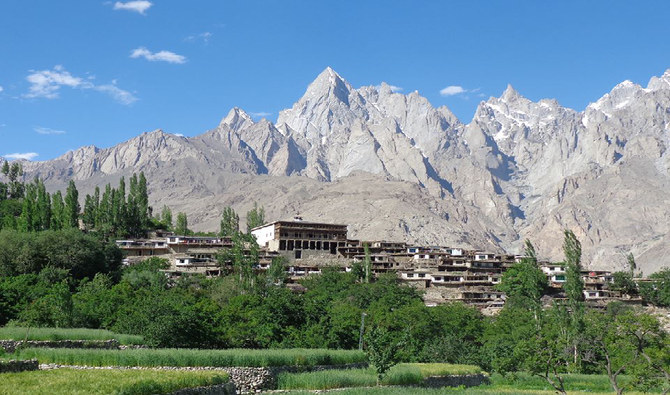
Gilgit-Baltistan is the northernmost territory administered by Pakistan and is home to three of the world’s longest glaciers outside the polar regions. Trekking and mountaineering are the main attractions. Go stay at the beautiful Shangrila Resort, visit the Altit Fort or trek over the Baltoro Glacier. And of course don’t forget the magnificent Deosai plains, the physical personification of Wordsworthian poetry. Hike up to Rakaposhi basecamp, kayak in the turquoise blue waters of Attabad Lake and visit the many ancient forts. The list of things to do and see are endless!
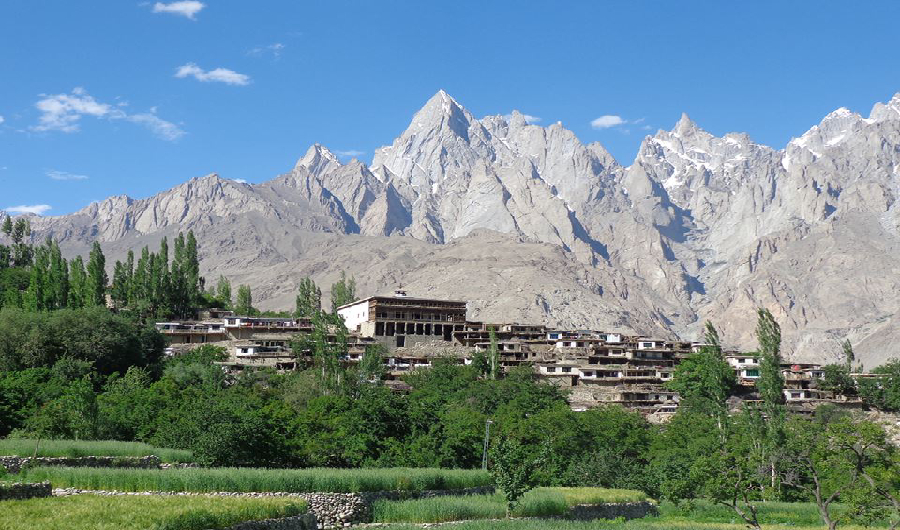
Ghanche District is the easternmost district of Gilgit–Baltistan, Pakistan, famous as a tourist destination for its outstanding scenery and high altitude landscapes. (Photo Credits: Social Media)
Hingol National Park
Hingol National Park, along the Makran coast in southwestern Balochistan Province, has an area of 1,650 square kilometers and is the largest national park in Pakistan. It boasts of the Kund Malir beach and the awe-inspiring Princess of Hope and is littered with jaw-dropping mountains and oasis throughout.
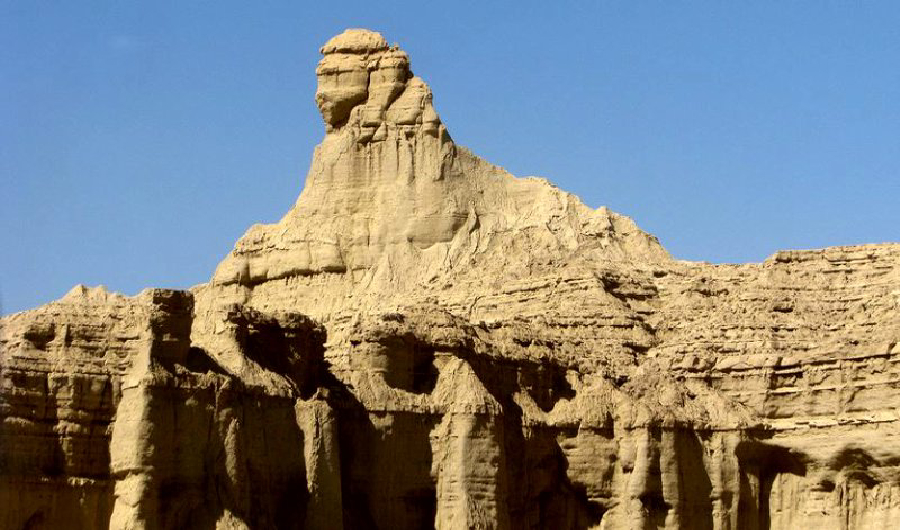
A rock formation called the Princess of Hope, which is in the shape of a human being on a rocky outcrop at Hingol National Park. (Photo Credits: Social Media)


