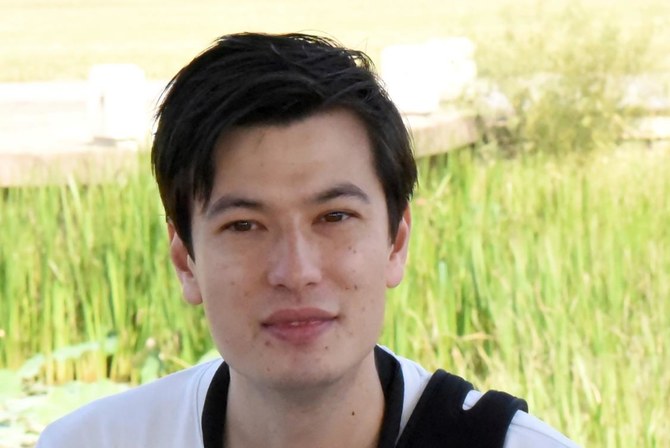
SYDNEY: An Australian student who went missing in North Korea has been released, Australian Prime Minister Scott Morrison said on Thursday.
“Mr Alek Sigley has been released from detention in the Democratic People’s Republic of Korea,” Morrison told Parliament, referring to North Korea by its official name.
“Alek is safe and well ... we were advised that the DPRK have released him from detention and he has safely left the country and I can confirm that he has arrived safely.”
North Korea-focused news site NK News earlier reported that Sigley had arrived in Beijing and would soon travel on to Tokyo, citing unidentified sources familiar with the situation.
Sigley, 29, one of only a handful of Western students in the secretive country, went missing last week, with his family saying they had not heard from the university student, who was based in the North Korean capital of Pyongyang, since June 25.
With no diplomatic presence in North Korea, Australia had mounted an aggressive search for Sigley through third parties.

Australian student missing in North Korea is released
Sequestered Suu Kyi overshadows military-run Myanmar election
- Suu Kyi’s reputation abroad has been heavily tarnished over her government’s handling of the Rohingya crisis
YANGON: Ousted Myanmar leader Aung San Suu Kyi has been siloed in military detention since a 2021 coup, but her absence looms large over junta-run polls the generals are touting as a return to democracy.
The Nobel Peace Prize laureate was once the darling of foreign diplomats, with legions of supporters at home and a reputation for redeeming Myanmar from a history of iron-fisted martial rule.
Her followers swept a landslide victory in Myanmar’s last elections in 2020 but the military voided the vote, dissolved her National League for Democracy party and has jailed her in total seclusion.
As she disappeared and a decade-long democratic experiment was halted, activists rose up — first as street protesters and then as guerrilla rebels battling the military in an all-consuming civil war.
Suu Kyi’s reputation abroad has been heavily tarnished over her government’s handling of the Rohingya crisis.
But for her many followers in Myanmar, her name is still a byword for democracy, and her absence on the ballot, an indictment it will be neither free nor fair.
The octogenarian — known in Myanmar as “The Lady” and famed for wearing flowers in her hair — remains under lock and key as her junta jailers hold polls overwriting her 2020 victory. The second of the three-phase election began Sunday, with Suu Kyi’s constituency of Kawhmu outside Yangon being contested by parties cleared to run in the heavily restricted poll.
Suu Kyi has spent around two decades of her life in military detention — but in a striking contradiction, she is the daughter of the founder of Myanmar’s armed forces.
She was born on June 19, 1945, in Japanese-occupied Yangon during the final weeks of WWII.
Her father, Aung San, fought for and against both the British and the Japanese colonizers as he sought to secure independence for his country.


