

GCC telecoms urged to seize blockchain opportunity

1 / 3
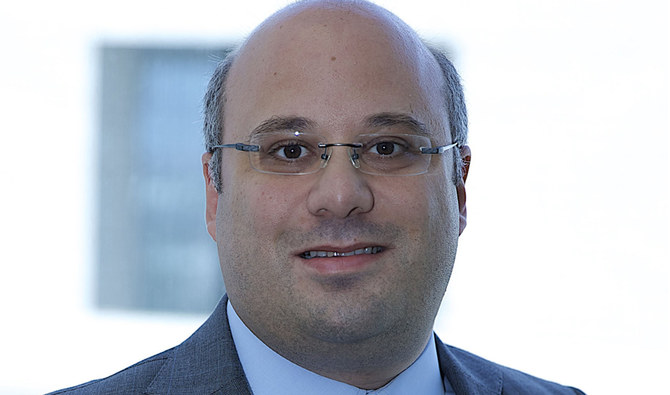
Jad Hajj, partner with Strategy& Middle East.
2 / 3
Dr. Daniel Diemers, partner with Strategy& in Zurich.
3 / 3
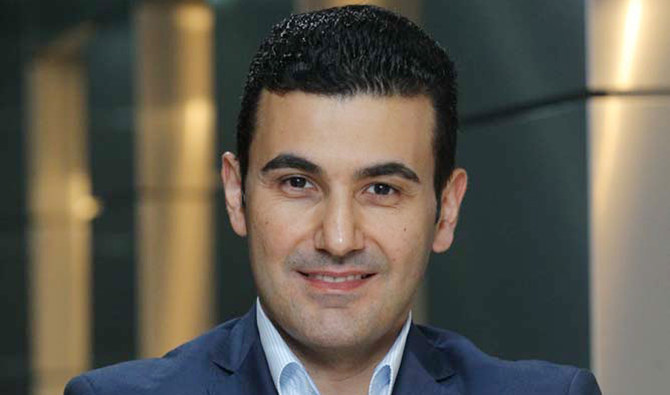
Ramzi Khoury, principal with Strategy& Middle East.
Updated 01 July 2019
Follow

GCC telecoms urged to seize blockchain opportunity

Blockchain technology is expected to have a tremendous impact on GCC national economies. To harness its full potential, telecom operators have to adopt the right strategy, operating model, partnerships, and capabilities for their selected blockchain value proposition, and engage with regulators, according to a recent study by Strategy& Middle East, part of the PwC network. 

The new study discusses the benefits that blockchain can offer and how telecom operators in the Middle East and North Africa are positioned to profit from this technology. 

Dr. Daniel Diemers, partner with Strategy& in Zurich, said: “Blockchain as a technology has been adopted by businesses across various industries and its potential is expected to reach $96 billion by 2024, according to market estimates. Like other industries, we are witnessing an increased adoption of blockchain technology within the telecom sector.” 

Blockchain is one way to reassure customers that their information is protected. Due to its encryption technology and the dispersal of information, it is very difficult to hack and is not susceptible to a single point of technical failure. It can also reduce transaction costs by removing unnecessary middlemen and document duplication.

According to the study, internally, blockchain can streamline telecom operators’ storage of customer identities, reduce the costs of number portability, and facilitate roaming services between multiple operators. 

“However, telecom operators have to adapt,” said Jad Hajj, partner with Strategy& Middle East. “They must carefully analyze their own capabilities before selecting their value proposition and a target market. A portfolio of relevant use cases for each target market is needed for more effective marketing and business development.” 

Ramzi Khoury, principal with Strategy& Middle East, said: “There has been limited adoption of blockchain within the MENA region, although there is considerable interest in the countries of the GCC. Interestingly, GCC organizations are creating the very partnerships that telecom operators should consider.”

Dubai’s government is planning for all visa applications, bill payments, and license renewals to be transacted digitally using blockchain. 

Saudi Arabia’s central bank, the Saudi Arabian Monetary Authority, has declared a joint initiative with the Central Bank of the United Arab Emirates to use blockchain to issue a digital currency for cross-border transactions.



Ajdan cements role in major projects by signing MoU with King Salman International Airport in Riyadh

Updated 14 February 2026
Follow

Ajdan cements role in major projects by signing MoU with King Salman International Airport in Riyadh

Ajdan Real Estate Development Company signed an MoU with King Salman International Airport during the Public Investment Fund & Private Sector Forum 2026. 

The MoU aims to explore areas of cooperation and identify opportunities for mixed-use real estate and commercial development that will enhance project quality and meet the highest standards of efficiency and excellence.

Representing Ajdan at the signing ceremony was its CEO, Eng. Mohammed bin Abdulmohsen Al-Otaibi, while Dr. Mohammed Al-Jarallah, deputy chief executive for real estate development, signed on behalf of King Salman International Airport. The MoU establishes a strategic framework for future cooperation and paves the way for a long-term partnership on a number of flagship projects.

Under this memorandum, Ajdan collaborates with King Salman International Airport on the development of mixed-use spaces and commercial facilities within the airport’s premises, building on its role as a national real estate developer delivering innovative projects that advance sustainable development. The company will leverage its expertise in the planning, design, and management of integrated commercial destinations to ensure project execution meets the highest standards of quality and sustainability.

King Salman International Airport is one of the Kingdom’s largest strategic development projects in terms of area and operational ambition. The airport spans approximately 57 sq. km, of which about 12 sq. km are allocated for mixed-use real estate development, in addition to fully integrated economic and logistics zones covering more than 3 million square meters. 

These developments will enhance the integration of real estate, commercial, and service activities. The airport targets handling 100 million passengers annually by 2030, supported by comprehensive upgrades to facilities, infrastructure, and logistics services, positioning it as an advanced multi-sector investment platform and a driver of economic growth.

Eng. Mohammed bin Abdulmohsen Al-Otaibi, CEO of Ajdan, stated: “We take pride in our collaboration with King Salman International Airport, which reflects Ajdan’s commitment to developing integrated destinations in line with global standards. Through this partnership, we aim to leverage our expertise to deliver innovative solutions that create sustainable value for the airport and enhance the visitor experience.”

KSIA Acting CEO Marco Mejia said: “These seven partnerships reflect our ambitious vision to transform KSIA into a fully integrated urban and economic ecosystem that goes beyond the traditional concept of airports. We are proud to collaborate with a distinguished group of leading national real estate developers whose deep expertise and strong track records will help deliver high-quality projects, create sustainable economic value, and further position the airport as a leading investment hub.”

This step is part of Ajdan’s strategy to expand its strategic partnerships and develop sustainable urban and commercial destinations that help improve the quality of life and support economic growth across the Kingdom.