New Zealand bans single-use plastic bags

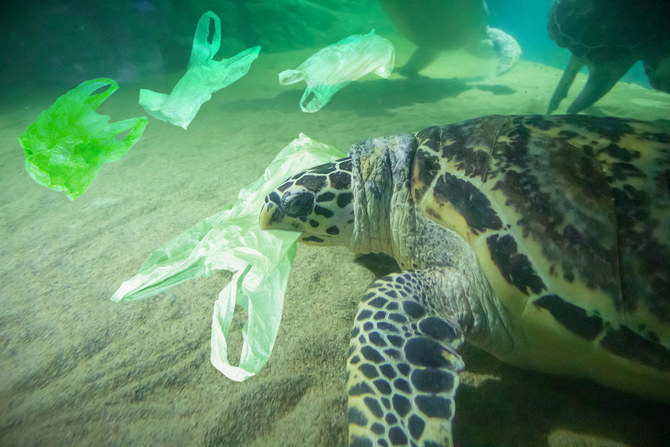
Thousands of animals each year receive injuries or die due to plastic pollution. (File/Shutterstock)
Updated 01 July 2019
Follow

New Zealand bans single-use plastic bags

  • Plastic pollution affects more than 100,000 marine mammals and a million birds every year
  • Companies that will continue to provide plastic bags may face fines up to $67,000

WELLINGTON: New Zealand officially banned single-use plastic shopping bags Monday, introducing hefty fines for businesses that continue to provide them.
Plastic pollution has become a growing global concern, with a million birds and more than 100,000 marine mammals injured or killed every year by becoming entangled in packaging or ingesting it through the food chain.
Companies that break New Zealand's ban will face heavy penalties, including fines of up to $67,000.
"New Zealanders are proud of our country's clean, green reputation and want to help ensure we live up to it," environment minister Eugenie Sage said.
"Ending the use of single-use plastic shopping bags helps do that."
Under the new rules, thin plastic single-use shopping bags can no longer be supplied -- but the law allows reusable carriers to continue being provided.
The legislation -- which was announced in August last year and came into force on Monday -- will have little practical effect, as New Zealand's major supermarkets have already voluntarily banned the bags.
However, Sage said it was putting the issue of recycling on the agenda.
"(The ban) doesn't go far enough, but what is really great is it's started the conversation," she told Radio New Zealand.
"People are now talking about single-use plastics and how we can phase them out."
Britain's Royal Statistical Society estimates 90.5 percent of all plastic waste -- some 6,300 million metric tons -- has never been recycled and is either in landfill or accumulating in the natural environment.
If current production and waste management trends continue, the ocean of plastic waste is estimated to almost double to 12,000 million metric tons by 2050.
More than 80 countries have already introduced bag bans similar to New Zealand's, according to the UN Environment Programme.
While it praised such initiatives, it said more needed to be done to minimise other sources of plastic waste including microbeads and single-use items such as straws.
Canada last month announced plans to ban disposable plastic items such as straws, cutlery and stir sticks from 2021.
The Pacific nation of Vanuatu will implement a ban in December on disposable diapers, which not only have non-biodegradable plastic linings but also use chemical absorbents which leach into the environment.
Sage said the New Zealand government was committing $27 million to find ways to reuse plastic waste instead of sending it to landfill overseas.
"We have been sending our waste offshore for too long," she said.
"China and other countries refusing to take our waste is the wake-up call we need."
The issue of wealthy developed nations using poorer countries as trash dumps was highlighted this week when Canada had to accept back tonnes of rubbish it shipped to the Philippines years ago.
For years, China received the bulk of scrap plastic from around the world, but closed its doors to foreign refuse last year in an effort to clean up its environment.


US moves to counter China in Bangladesh, plans to pitch defense alternatives

Updated 3 sec ago
Follow

US moves to counter China in Bangladesh, plans to pitch defense alternatives

DHAKA: The United States is concerned about China’s ​expanding presence in South Asia and is planning to offer Bangladesh’s next government US and allied defense systems as alternatives to Chinese hardware, Washington’s ambassador to Dhaka told Reuters. Bangladesh votes in a general election on Thursday after a Gen Z-led uprising toppled India-allied premier Sheikh Hasina in August 2024. She has since taken refuge in New Delhi, allowing China to deepen its influence in Bangladesh as India’s presence wanes. China recently signed a defense agreement with Bangladesh to build a drone factory near the India border, worrying foreign diplomats. Bangladesh is also in talks with Pakistan to buy JF-17 Thunder fighter jets, a multi-role combat ‌aircraft jointly developed with ‌China.
“The United States is concerned about growing Chinese influence in South ​Asia ‌and ⁠is committed ​to ⁠working closely with the Bangladeshi government to clearly communicate the risks of certain types of engagement with China,” US Ambassador Brent T. Christensen said in an interview on Tuesday.
“The US offers a range of options to help Bangladesh meet its military capability needs, including US systems and those from allied partners, to provide alternatives to Chinese systems,” he said without offering further details.
The Chinese foreign ministry did not immediately respond to a request for comment.
Christensen also said that President Donald Trump’s administration would “like to see a good relationship between Bangladesh and India ⁠to support stability in the region.” New Delhi-Dhaka relations have nosedived since ‌Hasina fled, badly affecting visa services and cricket ties between the ‌two neighbors.

COMMERCIAL DIPLOMACY IS PRIORITY
Christensen said many US businesses were looking ​at potentially investing in Bangladesh but would want ‌the next government to show early and clear signs that it is “open for business.”
“Commercial diplomacy is one ‌of our top priorities, and we look forward to working with the new government to build on progress made with the interim government, particularly in strengthening commercial, economic, and security ties,” he said.
Energy producer Chevron has been in Bangladesh for decades but not many other US companies are visible in the densely populated country of 175 million people, ‌as high taxes and difficulties repatriating profits have created some hurdles.
There are no Starbucks or McDonald’s outlets in Bangladesh.
The envoy said Washington would ⁠work with “whichever government is elected ⁠by the Bangladeshi people.” The race is between two coalitions led by former allies, the Bangladesh Nationalist Party (BNP) and the Islamist Jamaat-e-Islami, with opinion polls suggesting the BNP holds an advantage.

AID FOR ROHINGYA REFUGEES
Regarding the 1.2 million Rohingya refugees sheltered in Bangladesh, the ambassador said the United States remained the largest contributor to humanitarian operations.
“The US remains the largest contributor to the Rohingya refugee response and continues robust health programming in Bangladesh,” he said, noting a recent $2 billion worldwide funding framework signed with the United Nations to improve the effectiveness of such assistance, including in Bangladesh.
He urged other international donors to take on a greater share of the burden.
“The US cannot sustain the bulk of the effort alone. International partners need to increase their support for the Rohingya response,” he said. In recent years, the UN refugee agency has ​been struggling to raise sufficient funds to support ​the Rohingya community, leading to cuts in their rations and the closure of some schools for them.