HONG KONG: Hong Kong is gearing up for an annual pro-democracy march on Monday, the anniversary of its handover to Beijing, that could see a big crowd amid widespread anger over an extradition bill that has already seen millions take to the streets.
In recent years, the anniversary of the handover of the former British colony in 1997 has been marked by deepening despondency about what many residents see as increasing meddling by the mainland and the erosion of freedoms.
Beijing denies interfering but for many Hong Kong residents a proposed extradition law, that would allow people to be sent to mainland China for trial, is the latest step in a relentless march toward mainland control.
“If Hong Kong is no longer an international city, Hong Kong will perish,” former opposition lawmaker Margaret Ng said at a rally late on Friday.
“It’s our responsibility to let the world know.”
Embattled Hong Kong leader Carrie Lam, who is backed by Beijing, promoted and then suspended the extradition bill after some of the biggest and most violent protests in the city in decades against it.
Lam apologized to the public for the upheaval the bill had caused and while she said she had heard the people “loud and clear,” she stopped short of activists’ demands to scrap it and rejected calls to step down.
Activists are also demanding the government drop all charges against those arrested during the latest protests, charge police with what they describe as excessive use of force and stop referring to the demonstrations as a riot, a term than can bring a heavier jail sentence.
Organizers of Monday’s anniversary march say they are confident that anger over the city government’s failure to withdraw the extradition bill will fuel numbers.
More than a million people have taken to the streets at times over the past three weeks to vent their anger and frustration at Lam, posing the greatest popular challenge to Chinese leader Xi Jinping since he came to power in 2012.
Threat and fear
Hong Kong returned to Chinese rule on July 1, 1997, under a “one country, two systems” formula that allows freedoms not enjoyed in mainland China, including freedom of protest and a much-cherished independent judiciary.
Opponents of the extradition bill see it as a threat to the rule of law and fear it would put them at the mercy of China’s justice system where human rights are not guaranteed.
After promises that post-handover Hong Kong would enjoy autonomy, Beijing’s squeeze has fueled resentment and in 2014 sparked pro-democracy protests that paralyzed parts of the city for 79 days.
The failure of those protests to wrestle concessions on democracy, coupled with prosecutions of at least 100 protesters, most of them young, had discouraged many activists from going back to the streets — until recent weeks.
The turnout at the handover protest in 2018 was one of the lowest ever after Hong Kong’s opposition lost steam following the disqualification of pro-democracy legislators and the jailing of some of the most prominent activists.
Organizers said about 50,000 people rallied last year, while police put the number at 9,800 at its peak.


![]()

Extradition bill fury likely to fuel numbers at Hong Kong annual rally
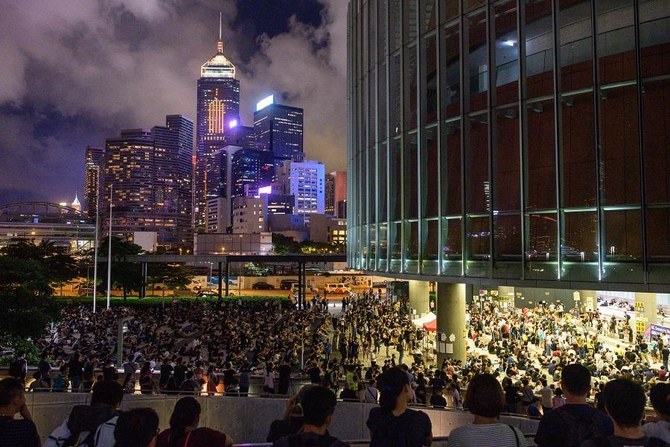
Extradition bill fury likely to fuel numbers at Hong Kong annual rally
- In recent years, many Hong Kong residents see an increasing meddling by China and the erosion of freedoms
- The recent protest in Hong Kong was the greatest popular challenge to Chinese leader Xi Jinping since he came to power in 2012


Latest updates


Recommended


© 2026 SAUDI RESEARCH & PUBLISHING COMPANY, All Rights Reserved And subject to Terms of Use Agreement.