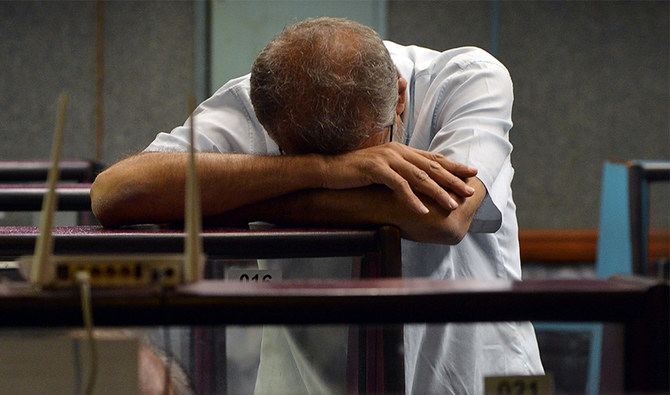
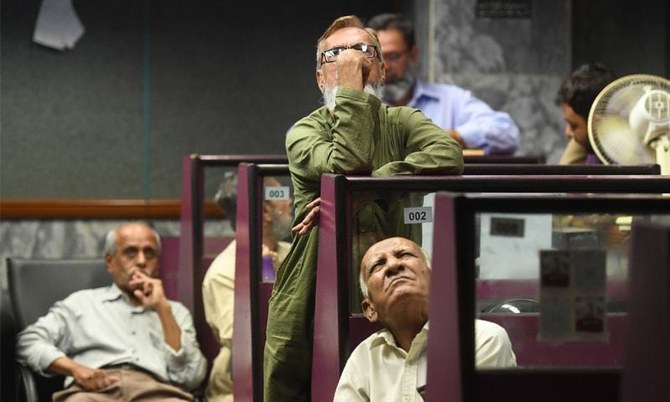
ISLAMABAD: The Pakistani rupee currency fell further against the dollar on Friday and the stock market shed more than 800 points to close off its worst week in seventeen years, less than a week after Pakistan signed a bailout deal with the International Monetary Fund that comes with strict reform conditions.
The rupee has depreciated by almost five percent since the IMF and Pakistani authorities agreed to a bailout package last Sunday. On Friday, The Pakistani rupee, in the open market, closed at 151 against the dollar as compared to Thursday’s close of 147, Exchange Companies Association of Pakistan data said.
Taking a cue from the currency market, the stock market also shed 804 points on Friday, falling due to the devaluation of the rupee for the last two working days, an expected hike in the policy rate in the next monetary policy meeting on Monday and selling pressure from mutual funds (net selling of $14mn in 4 sessions).
Finance adviser Dr. Abdul Hafeez Shaikh flew into Karachi on Thursday and met stockbrokers on Friday who requested setting up a “market support fund” to help rein in the continuous decline on the trade floor, local media reported.
“Rupee free fall against the dollar, falling foreign exchange reserves, likely surge in state bank policy rate announcement on May 20, concerns over IMF conditions and targets for the federal budget for fiscal year 19 played a catalyst role in bearish close,” said Ahsan Mehanti, the Chief Executive at Arif Habib Corporation.
“This movement reflects demand and supply conditions in the foreign exchange market,” the State Bank’s chief spokesman said in an emailed statement on Thursday. “It will help in correcting market imbalances.”
Market participants expect a further policy rate hike in the wake of the IMF agreement as the central bank is scheduled to announce the monetary policy for the next two months on Monday.
“The central bank is expected to increased 100 basis points bps 11.75 percent,” Muhammad Sohail, CEO of Topline Securities, told Arab News.


![]()
![]()

Pakistani rupee in freefall, stock market ends worst week in 17 years
Pakistani rupee in freefall, stock market ends worst week in 17 years
- Finance adviser Shaikh meets stockbrokers who suggest setting up “market support fund” to rein in continuous decline on trade floor
- Rupee hits 149.50 in interbank market before closing at 147.66 against US dollar, stock market sheds 804 points
Latest updates





Recommended


© 2026 SAUDI RESEARCH & PUBLISHING COMPANY, All Rights Reserved And subject to Terms of Use Agreement.