WASHINGTON: A British computer security researcher once hailed as a “hero” for helping stem a ransomware outbreak and later accused of creating malware to attack the banking system said Friday he pleaded guilty to US criminal charges.
Marcus Hutchins, whose arrest in 2017 stunned the computer security community, acknowledged in a statement pleading guilty to criminal charges linked to his activity in 2014 and 2015.
“I regret these actions and accept full responsibility for my mistakes,” the 24-year-old Hutchins, known by his alias “MalwareTech,” wrote, noting that the charges related to his activity prior to his work in security.
“Having grown up, I’ve since been using the same skills that I misused several years ago for constructive purposes. I will continue to devote my time to keeping people safe from malware attacks.”
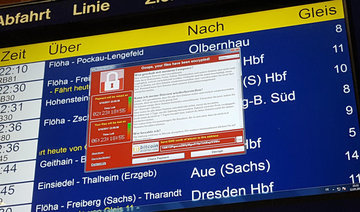
Hutchins in 2017 found a “kill switch” to stem the spread of the devastating WannaCry ransomware outbreak, prompting widespread news reports calling him a hero.
Months later he was arrested after attending the Def Con gathering of computer hackers in Las Vegas.
The case drew fire from critics who argued that researchers often work with computer code that can be deployed for malicious purposes.
A federal indictment unsealed in Wisconsin accused Hutchins and another individual of making and distributing the Kronos “banking Trojan,” a reference to malicious software designed to steal user names and passwords used on online banking sites.
According to the indictment, Hutchins was part of a conspiracy to distribute the hacking tool on so-called dark markets.
He was released on bail while awaiting trial, allowing him to continue working for a security firm. He had maintained his innocence and won support from many others in his profession.
US prosecutors did not immediately respond to an AFP query about the case. But court documents published by the news site ZDNet showed Hutchins could face up to one year in jail on each of the criminal counts along with financial penalties.
Other counts in the indictment were dismissed, according to the court papers.


Ransomware ‘hero’ pleads guilty to US hacking charges

Ransomware ‘hero’ pleads guilty to US hacking charges

- Hutchins could face up to one year in jail on each of the criminal counts along with financial penalties

Apple to update EU browser options, make more apps deletable
- iPhone maker came under pressure from regulators to make changes after the EU’s sweeping Digital Markets Act took effect on March 7
- Apple users will be able to select a default browser directly from the choice screen after going through a mandatory list of options
STOCKHOLM: Apple will change how users choose browser options in the European Union, add a dedicated section for changing default apps, and make more apps deletable, the company said on Thursday.
The iPhone maker came under pressure from regulators to make changes after the EU’s sweeping Digital Markets Act took effect on March 7, forcing big tech companies to offer mobile users the ability to select from a list of available web browsers on a “choice screen.”
The new rules require mobile software makers to show the choice screen where users can select a browser, search engine and virtual assistant as they set up their phones, which earlier came with preferred options from Apple and Google.
In an update later this year, Apple users will be able to select a default browser directly from the choice screen after going through a mandatory list of options.
A randomly ordered list of 12 browsers per EU country will be shown to the user with short descriptions, and the chosen one will be automatically downloaded, Apple said. The choice screen will also be available on iPads through an update later this year.
Apple released a previous update in response to the new rules in March, but browser companies criticized the design of its choice screen, and the Commission opened an investigation on March 25 saying it suspected that the measures fell short of effective compliance.
The company said it has been in dialogue with the European Commission and believes the new changes will address regulators’ concerns.
It also plans to introduce a dedicated area for default apps where a user will be able to set defaults for messaging, phone calls, spam filters, password managers and keyboards.
Users will also be able to delete certain Apple-made apps such as App Store, Messages, Camera, Photos and Safari. Only Settings and Phone apps would not be deletable.


