SEOUL: North Korea on Thursday denied US accusations it was behind the WannaCry global ransomware cyberattack, saying Washington was demonizing it.
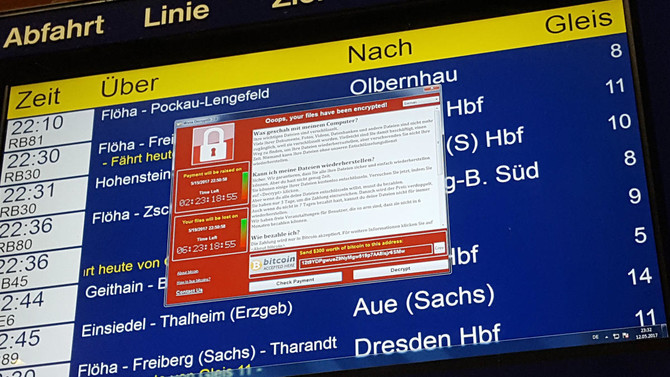
WannaCry infected some 300,000 computers in 150 nations in May, encrypting user files and demanding hundreds of dollars from their owners for the keys to get them back.
The White House this week blamed Pyongyang for it, adding its voice to several other countries that had already done so.
A spokesman for Pyongyang’s foreign ministry said the US allegations were “absurd,” adding: “As we have clearly stated on several occasions, we have nothing to do with cyber-attacks.”
Washington had “ulterior” motives, the spokesman added according to the North’s KCNA news agency.
“This move is a grave political provocation by the US aimed at inducing the international society into a confrontation against the DPRK by tarnishing the image of the dignified country and demonizing it,” he said.
North Korea is subject to multiple United Nations sanctions over its banned nuclear and ballistic missile programs, and tested its third ICBM last month.
Leader Kim Jong-Un declared his country had achieved full nuclear statehood, in a challenge to US President Donald Trump who responded with promises of “major sanctions.”
According to experts North Korea’s cyberwarfare targets have expanded from the political — it was accused of hacking into Sony Pictures Entertainment in 2014 to take revenge for “The Interview,” a satirical film that mocked Kim — to the financial, as it seeks new sources of funding.
A South Korean cryptocurrency exchange shut down on Tuesday after losing 17 percent of its assets in a hacking — its second cyberattack this year, with the North accused of involvement in the first.
Investigators are probing the possibility that Pyongyang was also behind Tuesday’s incident, the Wall Street Journal and Bloomberg News reported.
The North is blamed for a massive $81 million cyber-heist from the Bangladesh Central Bank (BCB) in 2016, as well as the theft of $60 million from Taiwan’s Far Eastern International Bank in October.
Pyongyang has angrily denied the accusations — which it described as a “slander” against the authorities — but analysts say the digital footprints left behind suggest otherwise.


North Korea denies role in WannaCry ransomware attack
North Korea denies role in WannaCry ransomware attack



Apple to update EU browser options, make more apps deletable
- iPhone maker came under pressure from regulators to make changes after the EU’s sweeping Digital Markets Act took effect on March 7
- Apple users will be able to select a default browser directly from the choice screen after going through a mandatory list of options
STOCKHOLM: Apple will change how users choose browser options in the European Union, add a dedicated section for changing default apps, and make more apps deletable, the company said on Thursday.
The iPhone maker came under pressure from regulators to make changes after the EU’s sweeping Digital Markets Act took effect on March 7, forcing big tech companies to offer mobile users the ability to select from a list of available web browsers on a “choice screen.”
The new rules require mobile software makers to show the choice screen where users can select a browser, search engine and virtual assistant as they set up their phones, which earlier came with preferred options from Apple and Google.
In an update later this year, Apple users will be able to select a default browser directly from the choice screen after going through a mandatory list of options.
A randomly ordered list of 12 browsers per EU country will be shown to the user with short descriptions, and the chosen one will be automatically downloaded, Apple said. The choice screen will also be available on iPads through an update later this year.
Apple released a previous update in response to the new rules in March, but browser companies criticized the design of its choice screen, and the Commission opened an investigation on March 25 saying it suspected that the measures fell short of effective compliance.
The company said it has been in dialogue with the European Commission and believes the new changes will address regulators’ concerns.
It also plans to introduce a dedicated area for default apps where a user will be able to set defaults for messaging, phone calls, spam filters, password managers and keyboards.
Users will also be able to delete certain Apple-made apps such as App Store, Messages, Camera, Photos and Safari. Only Settings and Phone apps would not be deletable.


