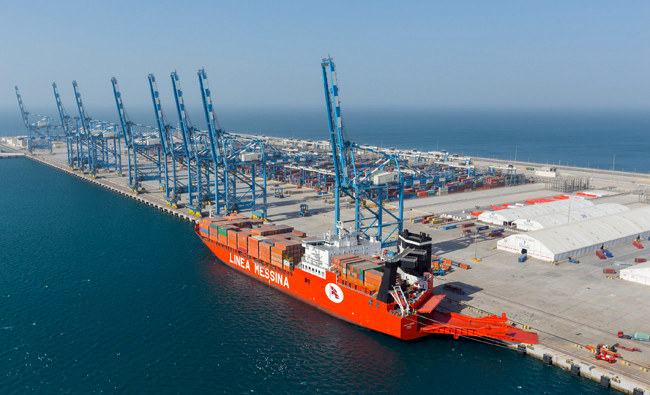
KARACHI: A Saudi Aramco delegation visiting Pakistan this week will discuss plans by the world’s largest producer of crude oil to sell liquefied natural gas (LNG) to Pakistan and set up a state of the art terminal, Pakistani officials said on Wednesday.
Aramco doesn’t produce any LNG currently, but in January it hired an employee from Singapore’s Pavilion Energy Pte Ltd. to develop its LNG business. Its sale to Pakistan, if it materializes, will be the first LNG sale for the world’s largest producer of crude oil.
“The Saudis have expressed interest in selling LNG to Pakistan,” Mahmood Moulvi, an advisor at the maritime affairs ministry said on Wednesday, adding that a Saudi delegation due in Pakistan this week would also discuss setting up a state-of-the-art LNG terminal.
“The process of awarding tender for the LNG terminal will be initiated within a month”, Moulvi added.
Sher Afgan Khan, a spokesman for the ministry of energy, said Aramco was interested in a refinery as well as LNG imports.
LNG is the fastest-growing hydrocarbon with a growth rate of 4 percent per annum. Global LNG demand is expected to exceed 500 million tonnes per annum by 2035, up from nearly 300 million tonnes per annum in 2017.
Pakistan’s domestic gas output has plateaued in the last five years, falling to 1.46 trillion cubic feet in 2017/18, from 1.51 trillion cubic feet in 2012/2013, according to an annual report from the Petroleum Ministry.
This has led to severe gas shortages as Pakistan’s population, now at 208 million people, has risen sharply over the same period, driving fuel demand from industries and new power plants higher.
Gas demand was estimated at 6.9 billion cubic feet per day for 2017/18, according to Pakistan’s Oil & Gas Regulatory Authority, nearly 3 billion cubic feet more than daily output.
To help plug the deficit, Pakistan has built two liquefied natural gas import terminals, and demand is expected to hit 6.97 billion cubic feet a day for 2018/19, and 7.06 billion cubic feet a day in 2019/20.


Saudi Aramco to discuss first ever LNG sale with Pakistan this week
Saudi Aramco to discuss first ever LNG sale with Pakistan this week

- Delegation due in Islamabad for talks on LNG terminal and imports
- Process for tender for terminal to be initiated within a month, maritime official says


No casualties as blast derails Jaffar Express train in Pakistan’s south
- Passengers were stranded and railway staffers were clearing the track after blast, official says
- In March 2025, separatist militants hijacked the same train with hundreds of passengers aboard
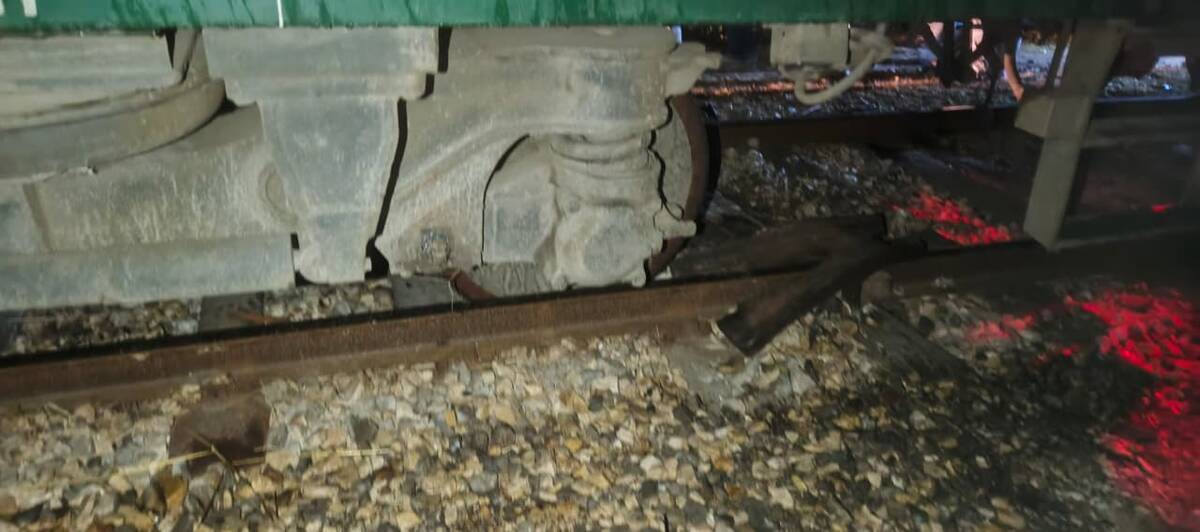
QUETTA: A blast hit Jaffar Express and derailed four carriages of the passenger train in Pakistan’s southern Sindh province on Monday, officials said, with no casualties reported.
The blast occurred at the Abad railway station when the Peshawar-bound train was on its way to Sindh’s Sukkur city from Quetta, according to Pakistan Railways’ Quetta Division controller Muhammad Kashif.
No group immediately claimed responsibility for the bomb attack, but passenger trains have often been targeted by Baloch separatist outfits in the restive Balochistan province that borders Sindh.
“Four bogies of the train were derailed due to the intensity of the explosion,” Kashif told Arab News. “No casualty was reported in the latest attack on passenger train.”
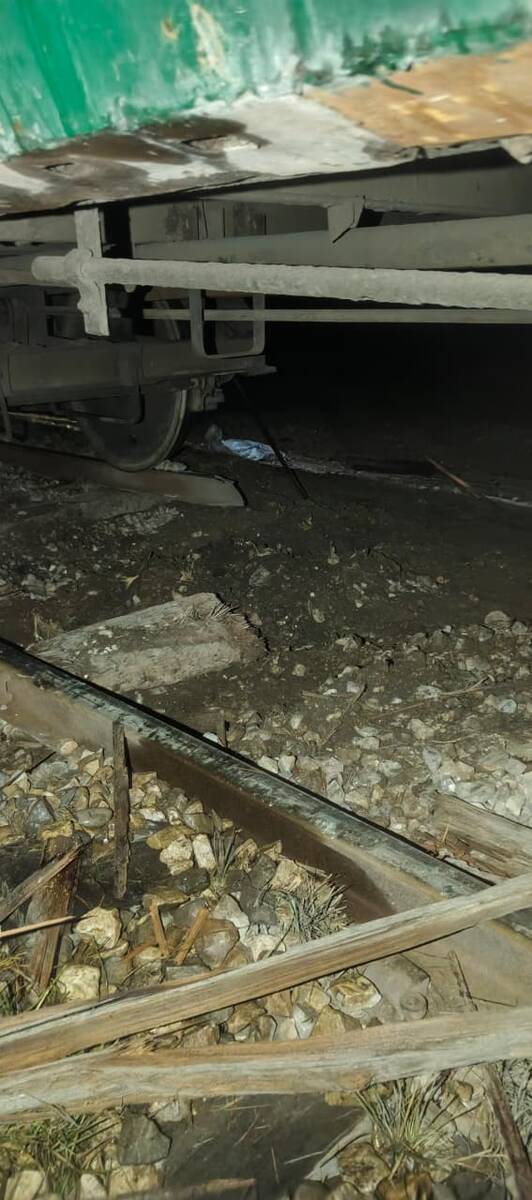
Another railway employee, who was aboard the train and requested anonymity, said the train was heading toward Sukkur from Jacobabad when they heard the powerful explosion, which derailed power van among four bogies.
“A small piece of the railway track has been destroyed,” he said, adding that passengers were now standing outside the train and railway staffers were busy clearing the track.
In March last year, fighters belonging to the Balochistan Liberation Army (BLA) separatist group had stormed Jaffar Express with hundreds of passengers on board and took them hostage. The military had rescued them after an hours-long operation that left 33 militants, 23 soldiers, three railway staff and five passengers dead.
The passenger train, which runs between Balochistan’s provincial capital of Quetta and Peshawar in the country’s northwest, had been targeted in at least four bomb attacks last year since the March hijacking, according to an Arab News tally.
Pakistan Railways says it has beefed up security arrangements for passenger trains in the province and increased the number of paramilitary troops on Jaffar Express since the hijacking in March, but militants have continued to target them in the restive region.
Balochistan, Pakistan’s southwestern province that borders Iran and Afghanistan, is the site of a decades-long insurgency waged by Baloch separatist groups who often attack security forces and foreigners, and kidnap government officials.
The separatists accuse the central government of stealing the region’s resources to fund development elsewhere in the country. The Pakistani government denies the allegations and says it is working for the uplift of local communities in Balochistan.


