ISLAMABAD: Pakistan’s military said on Tuesday Indian jets had violated the de facto border between the two countries but “released a payload” and “hastily escaped” after Pakistan scrambled its own jets after them.
The early morning assault, which Pakistan’s army spokesman said had not caused any damage or casualties, comes after days of simmering tensions between Pakistan and India over a Feb 14 suicide bombing in the disputed Kashmir region in which 40 Indian paramilitary troopers were killed.
The attack was claimed by Jaish-e-Mohammed militant group. New Delhi blamed Islamabad for the assault and promised a “strong response.” Pakistan denies any state complicity.
“Indian Air Force violated Line of Control. Pakistan Air Force immediately scrambled. Indian aircrafts gone back,” Pakistani military spokesman Major General Asif Ghafoor said.
He said the Indian aircraft “intruded from Muzafarabad sector,” an area in the Pakistan-administered part of Kashmir, but faced a “timely and effective response from Pakistan Air Force.”
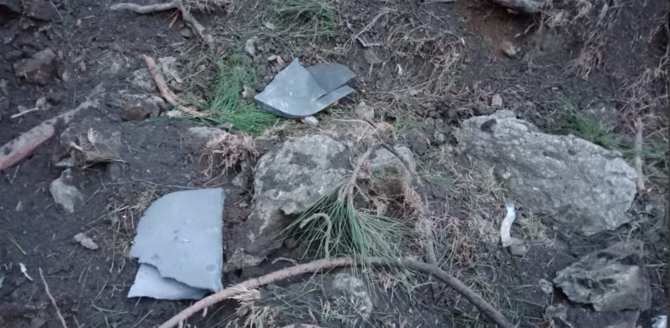
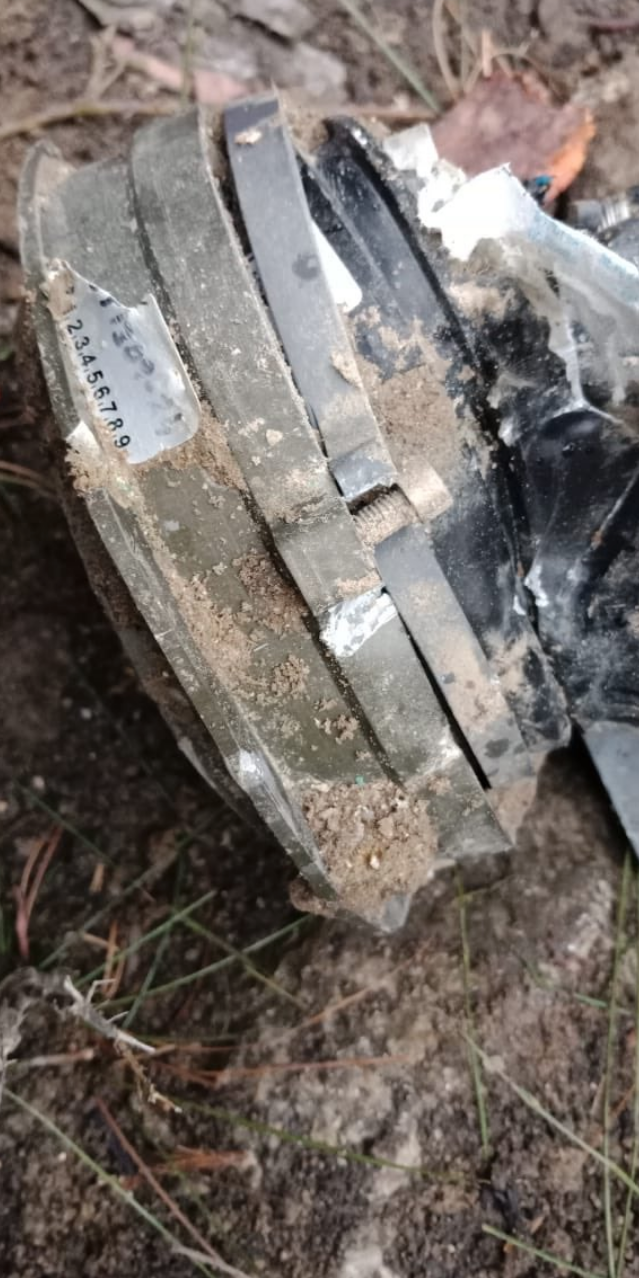
While escaping, Ghafoor said, the Indian jets “released payload … which fell near Balakot” in Pakistan-administered Kashmir.
“Indian aircrafts’ intrusion across LOC in Muzafarabad Sector within AJ&K was 3-4 miles,” he said in another tweet. “Under forced hasty withdrawal aircrafts released payload which had free fall in open area.”
Ghafoor also tweeted pictures of what he said was the payload released by the “hastily escaping Indian aircrafts.”
The strikes raised the possibility of military escalation between the nuclear-armed neighbors who have fought three wars since they gained independence from the British in 1947, two of them over the disputed Kashmir region.
Reuters reported that India’s defense ministry said it had no information about Pakistan’s claims.
But ANI, an Indian news agency, quoted Indian Air Force sources as saying at least twelve Indian jets entered Pakistan at around 3.30 a.m. on Tuesday morning and “struck a major terrorist camp … and completely destroyed it.”
“12 Mirage 2000 jets took part in the operation that dropped 1000 Kg bombs on terror camps across LOC, completely destroying it,” ANI said in one of several tweets about the alleged strikes.
Although exchanges of artillery and light weapons on the Line of Control are not uncommon, Tuesday’s statement from the Pakistan army is a rare public announcement of an attempted airstrike by arch-rival India.
In September 2016, India said it had conducted “surgical strikes” on militants in Pakistan it suspected of preparing to infiltrate into the part of Kashmir it controls. Pakistan completely rejected the claim.
The alleged strikes followed a militant attack on an army base in Uri near LOC that killed 17 soldiers.


![]()
![]()
![]()
![]()

Pakistan says Indian Air Force violated airspace, escalating tensions

Pakistan says Indian Air Force violated airspace, escalating tensions
- Pakistan scrambled jets in response, India “hastily escaped”, Military spokesman says.
- Indian news agency says 12 jets entered Pakistan and destroyed “terror camps”
Latest updates




© 2026 SAUDI RESEARCH & PUBLISHING COMPANY, All Rights Reserved And subject to Terms of Use Agreement.