JEDDAH: The Daesh “caliphate” that was once the size of Britain has been reduced to a tiny patch of land near a village in eastern Syria, the anti-Daesh coalition said on Thursday.
Gains by Kurdish-led forces in Syria have shrunk Daesh territory by “approximately 99.5 percent,” said coalition deputy commander Major General Christopher Ghika.
At its height, the extremist proto-state proclaimed by Daesh in Syria and Iraq in June 2014 was roughly the size of Britain. But it has since lost most of that territory to various offensives.
The militants are now clinging on to a small sliver of territory near the village of Baghouz, and many are fleeing or surrendering before a final offensive. Iraqi militias from the Popular Mobilization Forces launched 50 missiles on Thursday at targets in Baghouz.
 Militants were “trying to escape through intermixing with the innocent women and children attempting to flee the fighting,” Gen. Ghika told a coalition ministerial meeting in Washington. “These tactics won’t succeed. Our Syrian partners are focused on finding Daesh wherever they hide, and our Iraqi partners have secured their borders.”
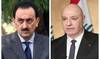
Speaking during the meeting, Saudi Arabia’s Minister of State for Foreign Affairs, Adel Al-Jubeir, said: The Kingdom “will continue its fight against terrorism and its sponsoring countries, and pledge to support all international and regional efforts to eliminate terrorist organizations, terrorism and the activities of destabilizing states in the region.”
"We believe that our war against terrorism must include combating its funding and rhetoric that justifies violence and terrorism. For this reason, my country has established a center to combat terrorism, extremism, and its sources of funding," he said.
"We also emphasize the importance of continuing this coalition so that we can all ensure an effective and lasting defeat of Daesh, and all terrorist organizations, to prevent them from reappearing again in all parts of the world," he added.
Saudi Arabia was among the founding members of The Global Coalition to Defeat Daesh (also known as ISIS) back in 2014, and was one of the first countries that participated actively in military operations against the terrorist organization.
More than 37,000 people, mostly wives and children of militants, have fled Daesh territory since the coalition’s Kurdish-led Syrian Democratic Forces (SDF) intensified its offensive in December. The figure is thought to include more than 3,000 Daesh fighters.
As the “caliphate” collapses, detention centers and camps in northeast Syria are filling up with fighters who have surrendered or been captured, along with their families.
Tens of thousands of foreigners are estimated to have joined Daesh since 2014, and the SDF said they were detaining foreign fighters every day. They are also holding hundreds of women, and children of Daesh fighters, in two camps in the north.
The Kurdish administration in northeastern Syria has urged the foreigners’ countries of origin to take them back, but they are often reluctant.
France has suggested it may take 50 adults and 80 children who are French citizens, but rights groups are concerned about the process.
Human Rights Watch said it wanted clarity on the exact numbers, what route would be used, and whether children would be separated from their parents.