

Pakistan eases visa policy in hope of reviving tourism

1 / 2
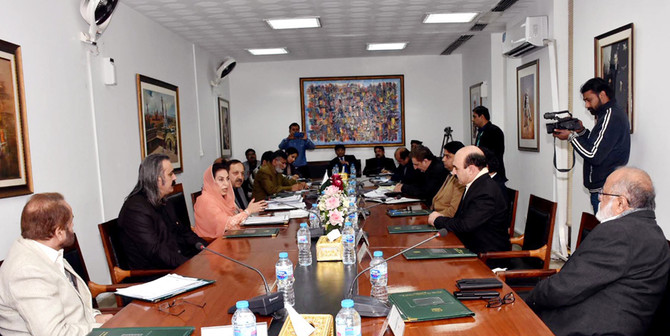
Federal Minister for Inter Provincial Coordination Dr. Fehmida Mirza talking to the media after meeting the Provincial Ministers for Tourism in Islamabad. (Photo by PID)
2 / 2
Federal Minister for Inter Provincial Coordination Dr. Fehmida Mirza talking to the media after meeting the Provincial Ministers for Tourism in Islamabad. (Photo by PID)
Updated 26 January 2019
Follow

Pakistan eases visa policy in hope of reviving tourism

  • PTDC plans to double number of foreign tourists in three years
  • Visa on arrival offered to 50 countries, including Saudi Arabia and UAE

ISLAMABAD: Pakistan has relaxed travel restrictions in the hope of elevating a slumbering tourism industry by offering visas on arrival to citizens of 50 countries and electronic visas to visitors from 175 countries, minister of information Fawad Chaudhry said on Friday. 
Speaking to reporters in Islamabad, Chaudhry said the travel reforms were aimed at reviving a tourism industry all but destroyed by Islamist violence in the aftermath of the Sept. 11, 2001 attacks in the United States and a decade-long insurgency waged by indigenous Taliban fighters in Pakistan. 

“We have mountain tourism, we have beach tourism. Pakistan is a heaven for tourists," Chaudhry said, hinting that the new travel rules would also ease restrictions on foreign journalists.
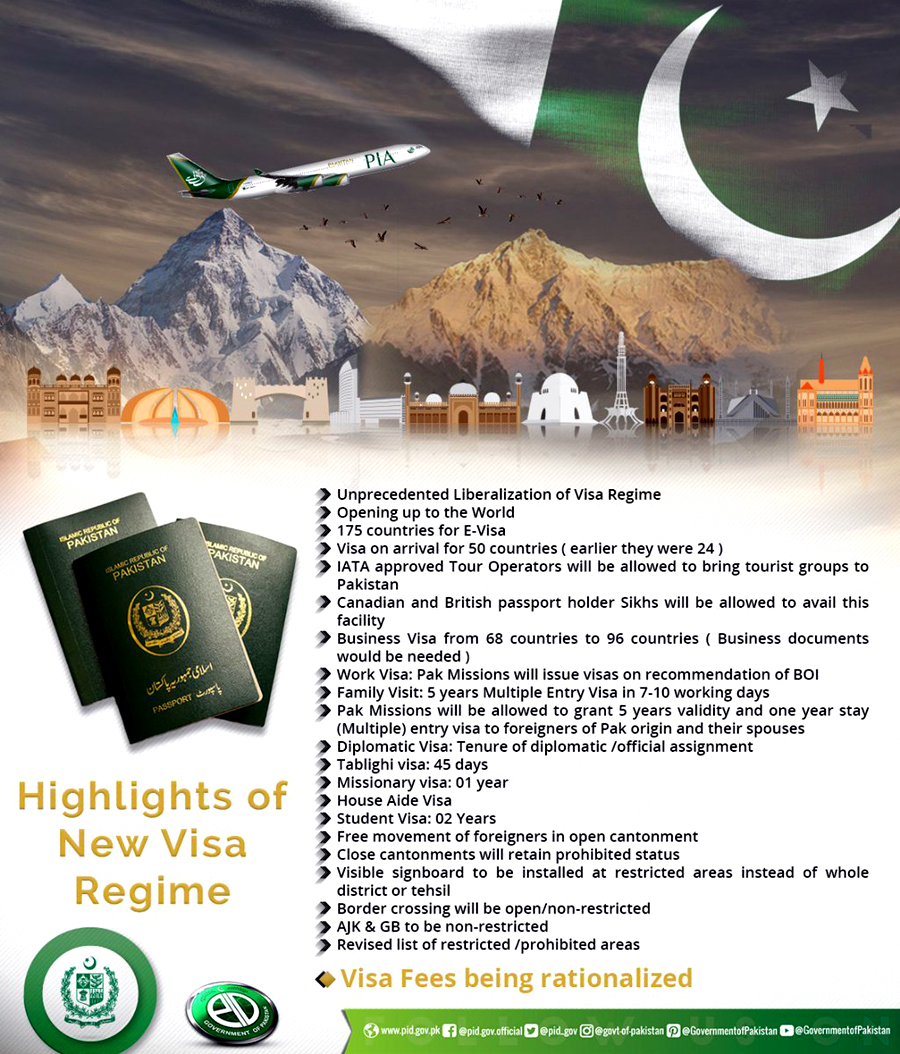


The image that high light the new visa regime. (Photo by PID)

As part of the reforms approved by cabinet, tourists will also be free to visit the politically sensitive regions of Kashmir, Gilgit-Baltistan and other northern areas, which currently require special permission and no-objection certificates. The policy also says only approved tour operators will be allowed to bring groups of tourists into Pakistan. 
The actual scale of domestic tourism is hard to judge, as scant nationwide data exists since the government dissolved the federal tourism ministry in 2011.
A deteriorating security situation in the last decade has chipped away at the number of visitors that come to Pakistan each year but tough military crackdowns in recent years have seen a dramatic improvement in law and order. 

“Foreign tourists were always concerned about the security situation, and we are now in a position to convince them not to be afraid,” said Owais Usman, the director of one Islamabad-based travel agency.
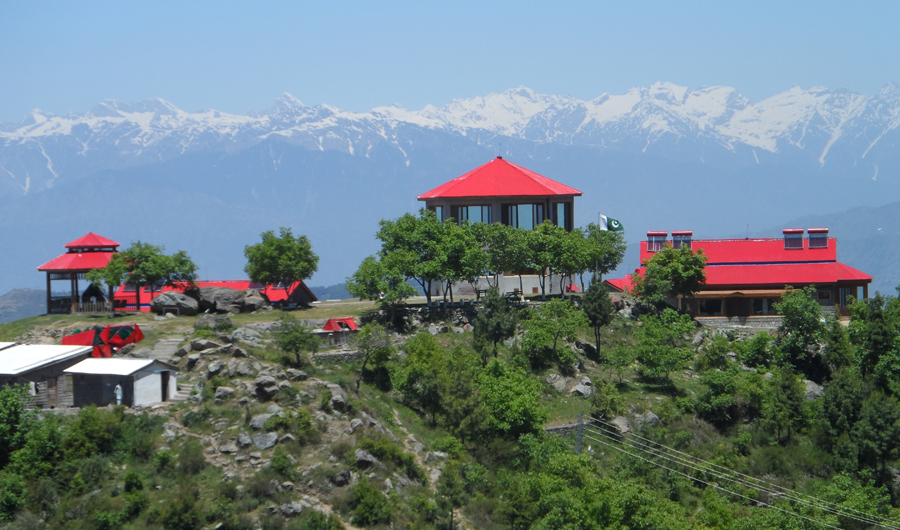


A view of a newly constructed home in Malam Jabba, scenic Swat valley, while snow covering a mountain peak can also be seen in the background. (AN photo by Aamir Shah)

Mukhtar Ali, manager for publicity at the Pakistan Tourism and Development Corporation, said 2.5 million tourists visited Pakistan last year and the Corporation's goal was to double that number to 5 million in the next three years.
“We hope the new visa policy will not only help increase the number of foreign tourists, but also their contribution to our economy,” he said.
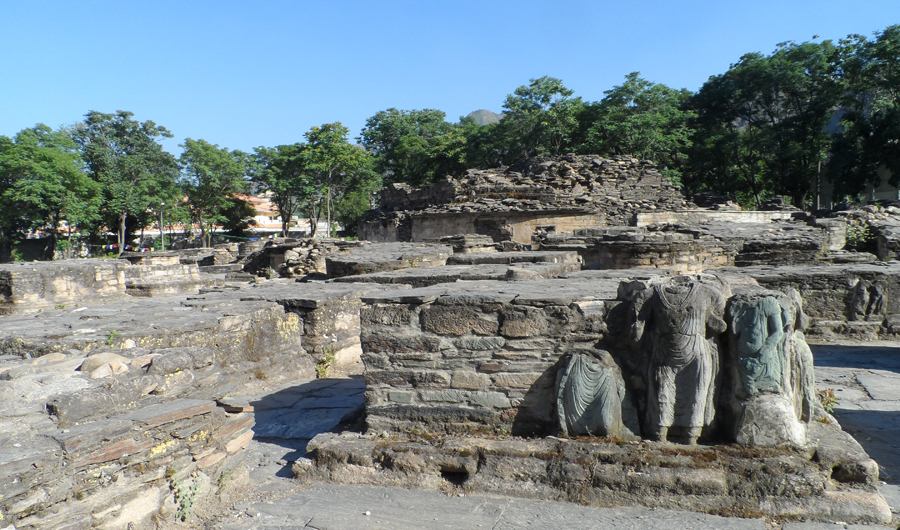


A view of a historic stupa, sacred to Buddhists, in Mingora city of scenic Swat valley in Khyber Pakhtunkhwa province of Pakistan. (AN photo by Aamir Shah)


China backs Pakistan in fight against militancy after deadly Balochistan attacks

Updated 03 February 2026
Follow

China backs Pakistan in fight against militancy after deadly Balochistan attacks

  • China is a major ally and investor in Pakistan and has pledged over $65 billion in major infrastructure projects, including in Balochistan
  • Chinese Foreign Ministry spokesperson Lin Jian says ‘we mourn for lives lost, and our hearts go out to injured and those who lost loved ones’

ISLAMABAD: China condemns the recent attacks that killed more than 200 people in Pakistan’s southwestern Balochistan province, a Chinese foreign ministry spokesperson said on Tuesday, reaffirming Beijing’s support for Pakistan in its fight against militancy.

The Baloch Liberation Army (BLA) group launched coordinated attacks in several cities across Balochistan on Saturday, killing 33 civilians and 17 security personnel. Officials said 117 militants were killed in skirmishes and follow-up operations.

Balochistan, which borders Iran and Afghanistan, is the site of a decades-long insurgency waged by Baloch separatist groups who often attack security forces, foreigners and non-local Pakistanis and kidnap government officials.

China is a major ally and investor in Pakistan and has pledged over $65 billion in investment in road, infrastructure and development projects under the China-Pakistan Economic Corridor (CPEC).

“China strongly condemns the [Balochistan] attacks... We mourn for the lives lost, and our hearts go out to the injured and those who lost their loved ones,” Chinese Foreign Ministry spokesperson Lin Jian said at a press briefing on Tuesday.

“China firmly opposes any form of terrorism and will as always firmly support Pakistan in combating terrorism, maintaining solidarity and social stability, and protecting the safety of the people.”

Chinese nationals working in Pakistan have often been targeted by militants, particularly in the southwestern Balochistan province, where China is developing a deep seaport that is touted as the crown jewel of CPEC.

Interior Minister Mohsin Naqvi said last week the attacks, claimed by the separatist Baloch Liberation Army (BLA), were planned from India. New Delhi rejected the allegation as “baseless,” saying Islamabad was attempting to deflect attention from its internal challenges.

Balochistan is home to vast reserves of minerals and hydrocarbons. Separatist militant groups such as the BLA blame Islamabad for exploiting Balochistan’s natural resources and denying locals a share in them. The military and civilian government reject these allegations and say they are investing in the province’s development.