

Pakistan’s position on Israel unchanged — foreign office spokesman

1 / 2
Pakistan’s Foreign Ministry spokesman Dr. Muhammad Faisal. (APP)
2 / 2
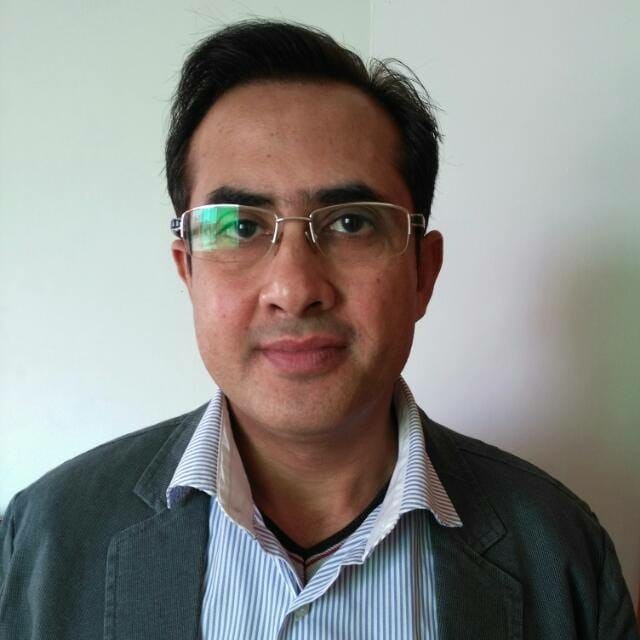
Fishel Benkhald, Jewish Pakistani, wants to perform religious pilgrimage to Israel. (Photo Courtesy: Fishel Benkhald)
Updated 25 January 2019
Follow

Pakistan’s position on Israel unchanged — foreign office spokesman

  • Pakistani Jew insists he was told by foreign office to apply for Israeli visa
  • Foreign office officials say legally impossible for Benkhald to travel to Israel on Pakistani passport

ISLAMABAD: A spokesman for Pakistan’s foreign office on Thursday reiterated that Pakistan’s position on the state of Israel, which Pakistan does not recognize, remained unchanged, while responding to questions about a Pakistani Jew who says he has received a go-ahead from Islamabad to apply for a visa to Israel. 
Pakistan does not have diplomatic ties with Israel and has been a staunch supporter of demands for a Palestinian state. 
Fishel Benkhald, 30, a resident of Karachi, posted on Twitter on Wednesday that he had been informed by the foreign office that he could apply for an Israeli visa on his Pakistani passport, adding that he would now reach out to the Israeli embassy for the travel endorsement.
But during a press briefing on Thursday, foreign office spokesman Dr. Mohammed Faisal said Pakistan’s position on Israel remained unchanged.
“Our position on Israel remains unchanged,” the spokesman said, declining to give details of Benkhald’s correspondence with the foreign office.


Another foreign ministry official who declined to be named said someone in the foreign ministry had made a mistake and clearly misled Benkhald. “Legally there is no way he can be allowed to get an Israel visa on our passport,” the official said. 
But Benkhald insists he has been in touch with the foreign office throughout January and received a call from a director at the ministry of foreign affairs who told him he could apply for an Israel visa, and also suggested that he visit the Palestinian Embassy in Islamabad. 
Israeli authorities have been in contact with me for over five years, Benkhald said.
Benkhald, the first Pakistani of Jewish faith allowed to record his religion on his national identity card, said he wants to celebrate the Jewish holiday of Passover or Pesach in Isarel this April without the risk of persecution from Pakistan. 
Born to a Jewish mother and a Muslim father, Benkhald opted to embrace Judaism and later chose the Yiddish name Fischel. His quest to obtain permission to travel to the state of Israel for worship began in 2013.
The number of Jews living in Pakistan has declined since 1947. According to the Election Commission of Pakistan, only around 900 Jews were registered voters in 2017. 
Husni Muhammad Mustafa, a first secretary, at the Palestine embassy said Benkhald had not contacted the embassy: “Palestine is under occupation by Israel” and its mission in Islamabad “is not in a position to issue visas.”



Pakistan urges pilgrims to complete Saudi biometrics as Hajj preparations gain pace

Updated 30 January 2026
Follow

Pakistan urges pilgrims to complete Saudi biometrics as Hajj preparations gain pace

  • Government warns pilgrims biometric verification is required for Hajj visas
  • Step follows tighter oversight after last year’s Hajj travel disruptions

ISLAMABAD: Pakistan’s government on Friday urged aspiring pilgrims to complete mandatory Saudi biometric verification for Hajj visas, as preparations for the 2026 pilgrimage gather pace following stricter oversight of the Hajj process.

The announcement comes only a day after Pakistan’s Religious Affairs Minister Sardar Muhammad Yousuf said regulations for private Hajj operators had been tightened, reducing their quota following widespread complaints last year, when tens of thousands of pilgrims were unable to travel under the private Hajj scheme.

“Saudi biometric verification is mandatory for the issuance of Hajj visas,” the Ministry of Religious Affairs said in a statement, urging pilgrims to complete the process promptly to avoid delays.

“Hajj pilgrims should complete their biometric verification at home using the ‘Saudi Visa Bio’ app as soon as possible,” it added.

The statement said the pilgrims who were unable to complete biometric verification through the mobile application should visit designated Saudi Tasheer centers before Feb. 8, adding that details of the centers were available on Pakistan’s official Hajj mobile application.

Pakistan has been steadily implementing digital and procedural requirements for pilgrims ahead of Hajj 2026, including mandatory training sessions, biometric checks and greater use of mobile applications, as part of efforts to reduce mismanagement.

Saudi Arabia has allocated Pakistan a quota of 179,210 pilgrims for Hajj 2026, with the majority of seats reserved under the government scheme and the remainder allocated to private tour operators.