

The Six: Casting Controversies in Hollywood

A still from the film 'Aladdin'. (Supplied)
Updated 15 January 2019
Follow

The Six: Casting Controversies in Hollywood

DUBAI: Hollywood blockbusters have long faced accusations of whitewashing — when Western actors are cast as international characters.

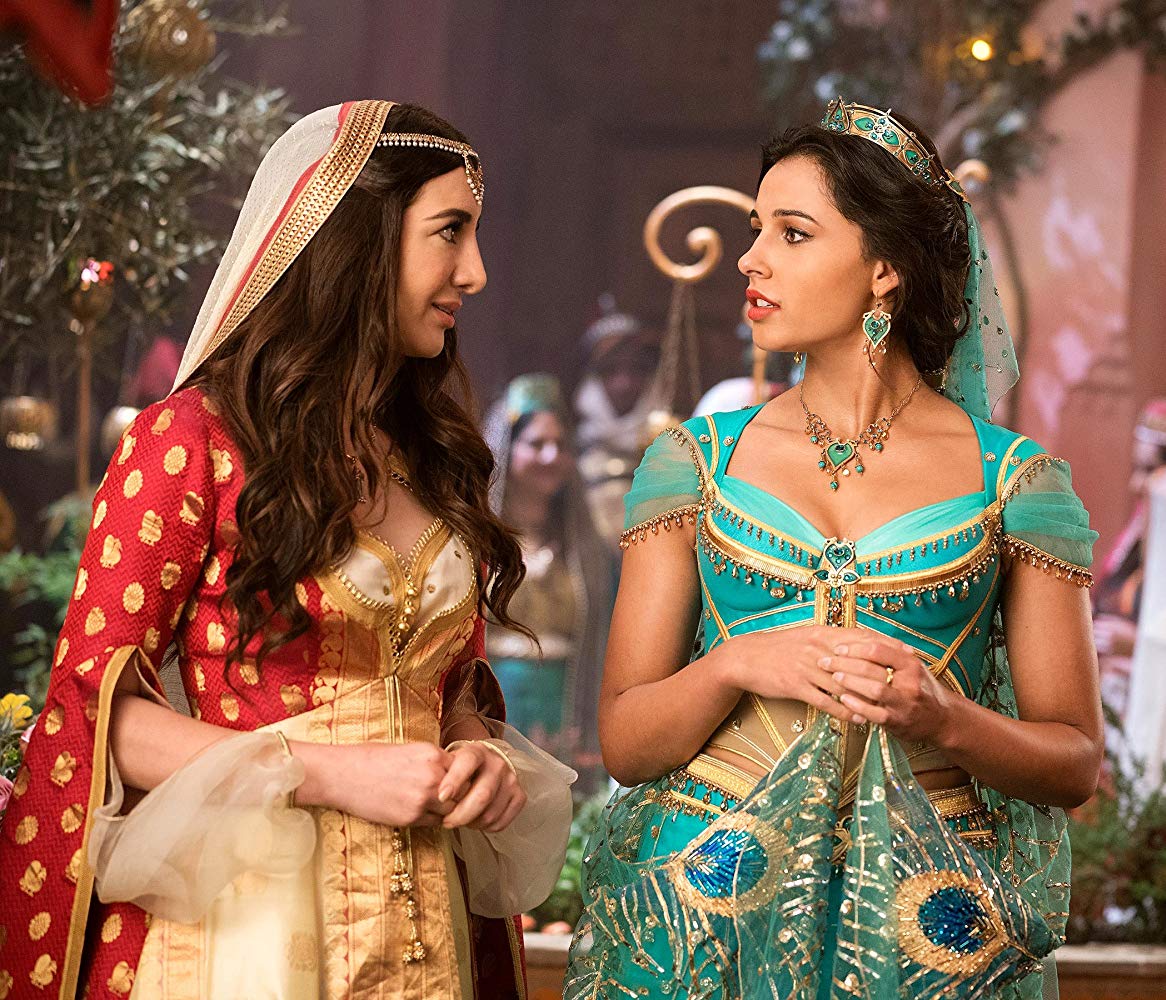
‘Aladdin’
British actress Naomi Scott, whose mother is Indian, plays the role of Jasmine in the upcoming live-action remake of the Disney classic. The casting choice has come under fire online as many have called for an Arab actress to take on the role.
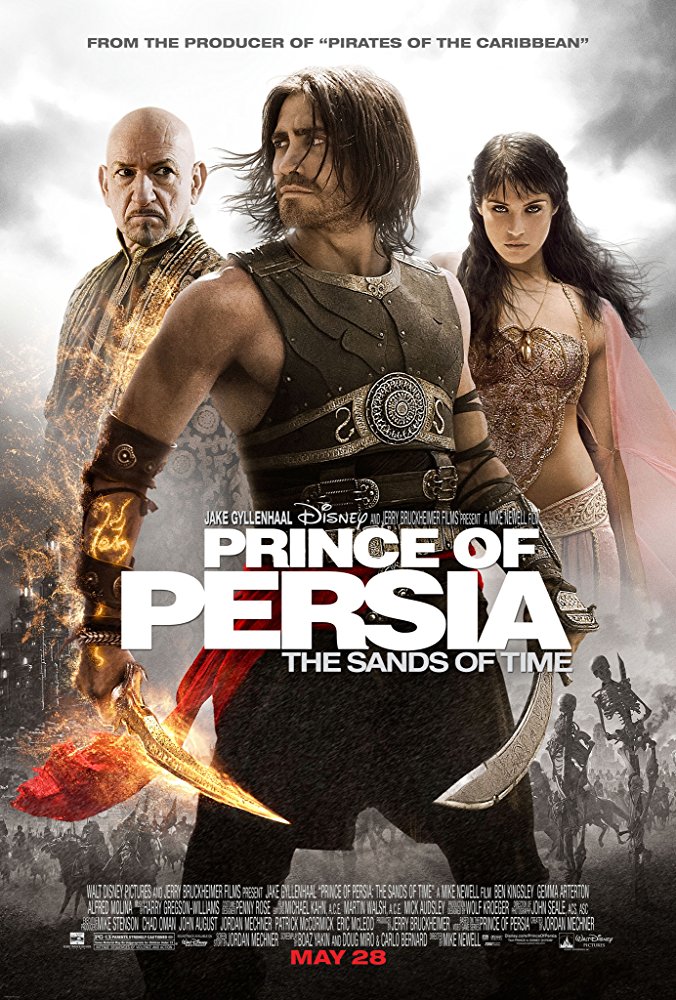
‘Prince of Persia’
Disney cast American actor Jake Gyllenhaal in the 2010 film adaptation of the video game about a hero from the Middle East.
 

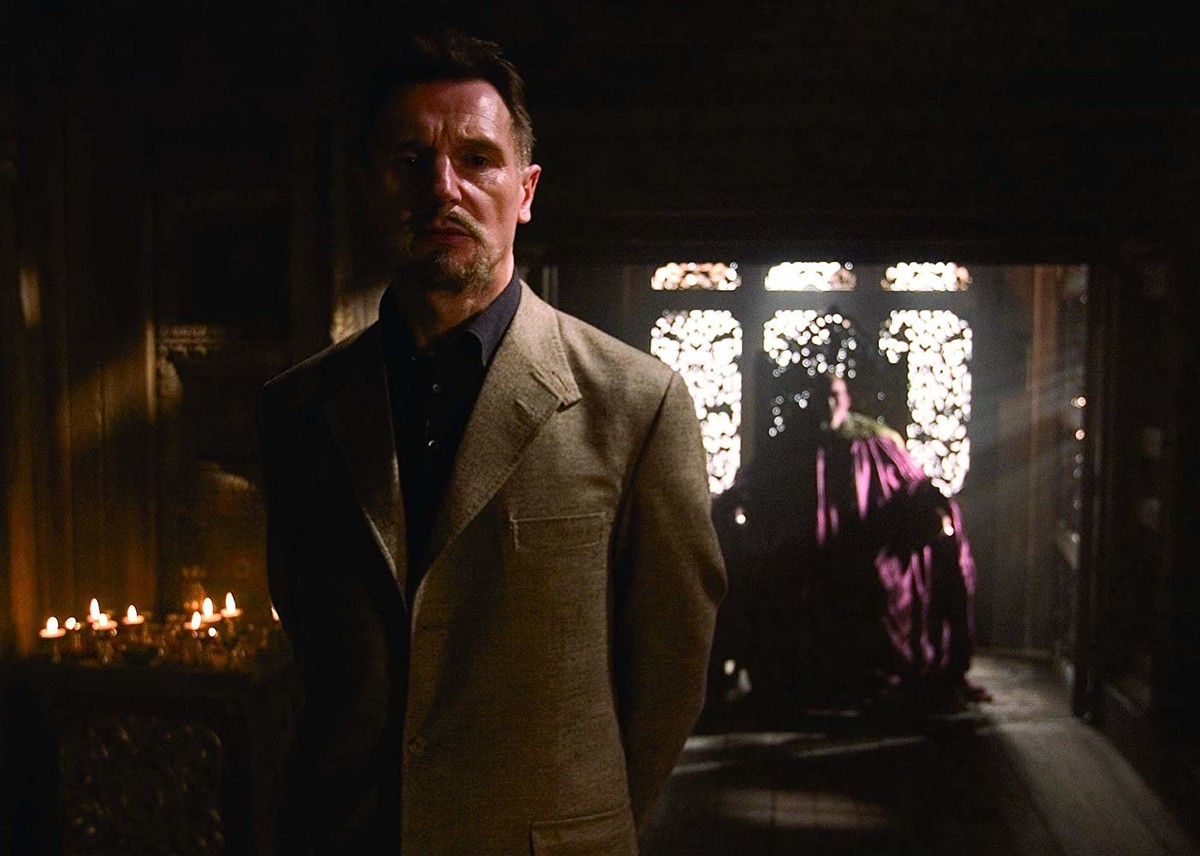
‘Batman Begins’
American actor Liam Neeson plays the villainous Ra’s al Ghul in Christopher Nolan’s “Batman Begins,” but the character is of Arab descent in the DC Comic books.
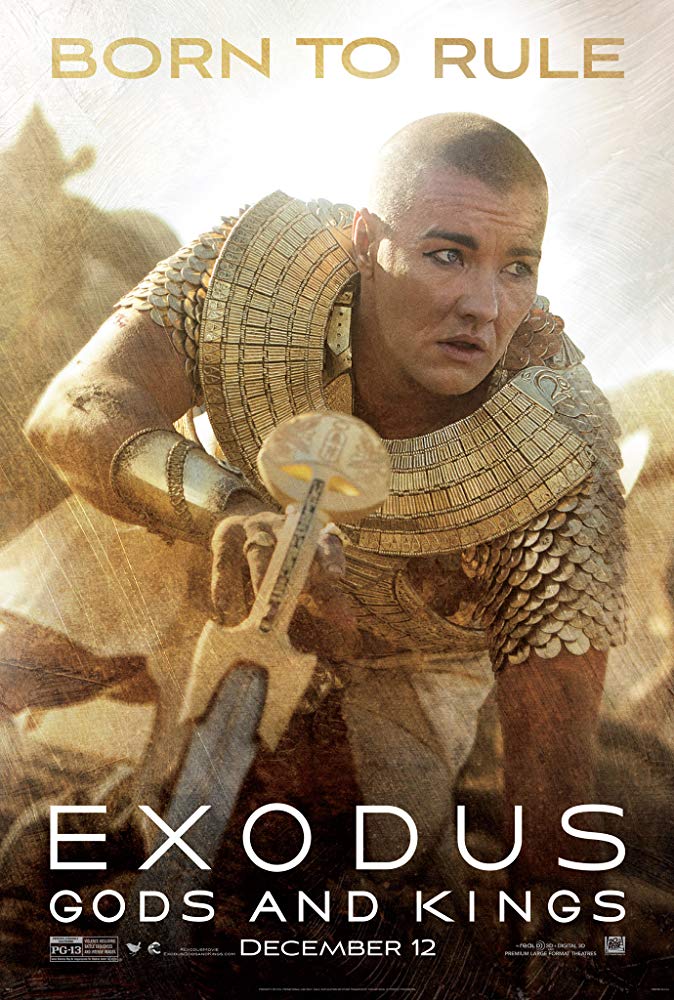
‘Exodus: Gods and Monsters’
Director Ridley Scott came under fire for casting British actor Christian Bale and Australian actor Joel Edgerton in his 2014 Biblical drama that saw Bale play Moses and Edgerton as Ramesses II.
 

‘Whisky Tango Foxtrot’
Christopher Abbott and Alfred Molina were cast as Afghan characters in this 2016 comedy starring Tina Fey.
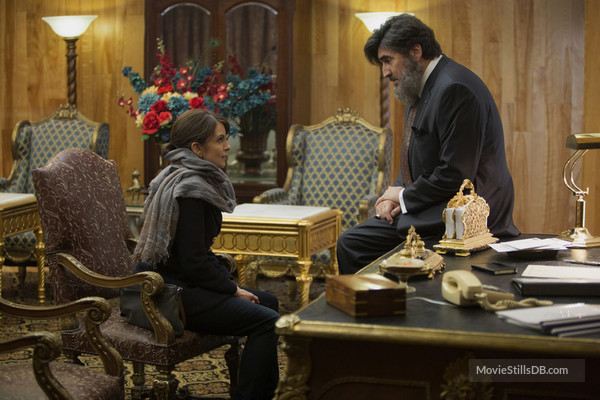
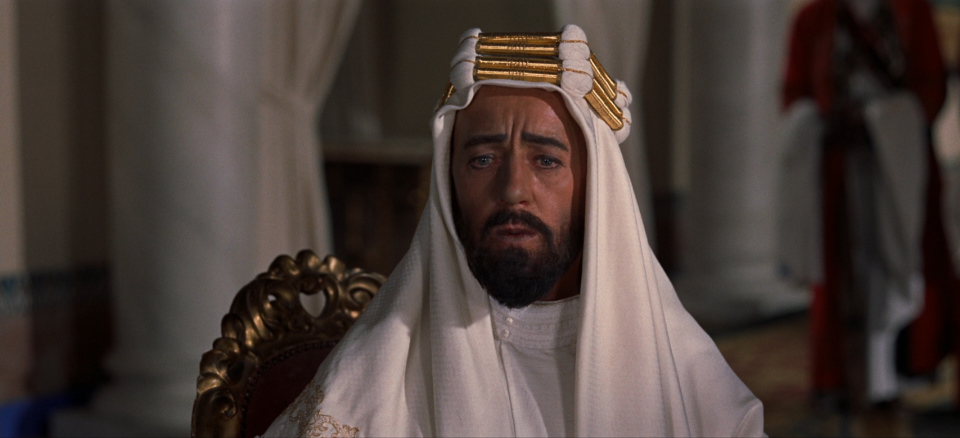
‘Lawrence of Arabia’
British actor Alec Guinness was cast as the Arab Prince Faisal in this 1962 epic. The blow is lessened, however, as legendary Egyptian actor Omar Sharif also starred in the film.


Berlinale responds to backlash over Gaza-related comments

Updated 16 February 2026
Follow

Berlinale responds to backlash over Gaza-related comments

The Berlin International Film Festival has issued a statement after what organisers described as a growing “media storm” linked to comments about the war in Gaza and the broader role of politics in cinema.

Festival director Tricia Tuttle released a lengthy note late Saturday following criticism directed at several high-profile guests. The controversy began during the opening day press conference when jury president Wim Wenders was asked about the conflict in Gaza. He responded: “We have to stay out of politics because if we make movies that are dedicatedly political, we enter the field of politics,” a remark that sparked swift backlash online.

Indian author Arundhati Roy later withdrew from the festival, reportedly angered by the remarks.

Other prominent figures, including Michelle Yeoh and Neil Patrick Harris, also faced online criticism after responding cautiously to questions about politics. Harris stated that he was interested in “doing things that were ‘apolitical,’” a comment that further fuelled debate.

In her statement, Tuttle defended the festival and its participants, stressing the importance of artistic freedom. “People have called for free speech at the Berlinale. Free speech is happening at the Berlinale. But increasingly, filmmakers are expected to answer any question put to them. They are criticised if they do not answer. They are criticised if they answer and we do not like what they say. They are criticised if they cannot compress complex thoughts into a brief sound bite when a microphone is placed in front of them when they thought they were speaking about something else,” she said.

She added: “It is hard to see the Berlinale and so many hundreds of filmmakers and people who work on this festival distilled into something we do not always recognise in the online and media discourse… It is a large, complex festival.”

“Artists are free to exercise their right of free speech in whatever way they choose… nor should they be expected to speak on every political issue raised to them unless they want to,” Tuttle said.