

Zabeel House Mini: Low-cost luxury on old Dubai’s waterfront

Zabeel House Al Seef. (Supplied)
Updated 18 December 2018
Follow

Zabeel House Mini: Low-cost luxury on old Dubai’s waterfront

  • Three-star Zabeel House Mini by Jumeirah, Al Seef was the debut property for the ‘Zabeel House by Jumeirah’ collection
  • Perfect for those who want to explore old Dubai

DUBAI: Even five years ago, we would never have associated Dubai with wallet-friendly holiday accommodation. Most of the top-rated hotels were considered upmarket, resulting in travelers having to shell out quite a bit to experience the luxury lifestyle that the emirate is synonymous with.
But affordable trips to the UAE are becoming more widely available, thanks to the arrival of mid-market concepts in the past few years. We’re not talking about the business-focused hotels which, let’s face it, can have rooms that are boring and bland. Rather, we’re referring to the more exciting, uniquely designed ‘boutique’ hotels that are wildly popular in cities including London, Barcelona and Zurich.
Opening earlier this year, the three-star Zabeel House Mini by Jumeirah, Al Seef was the debut property for the ‘Zabeel House by Jumeirah’ collection, aimed at “modern-day explorers” and “experience seekers,” with each hotel designed to fit in with its neighborhood.
In this case, that neighborhood is Al Seef on Dubai Creek, situated close to the Al Fahidi Historical Neighbourhood. Home to the Museum of Illusions Dubai, along with the textile souk, and plenty of shops and restaurants — not to mention beautiful views of the water — this area is perfect for those who want to explore old Dubai.
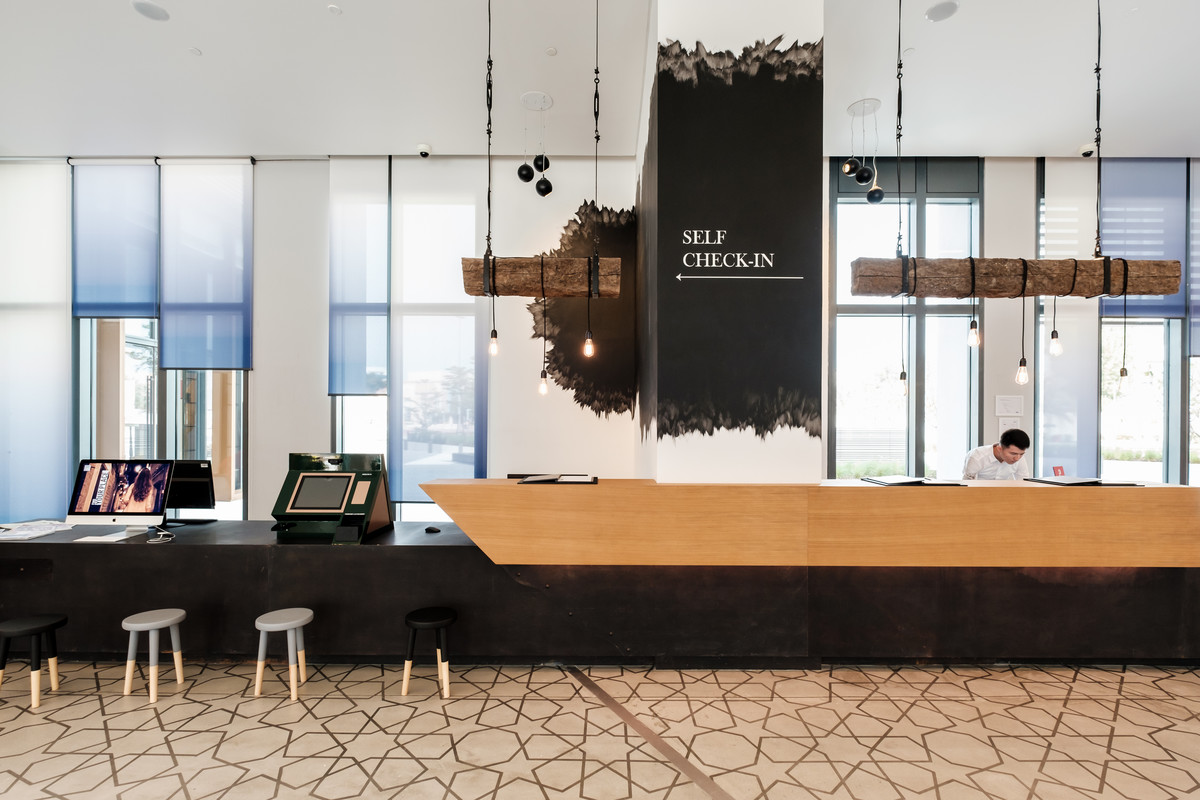
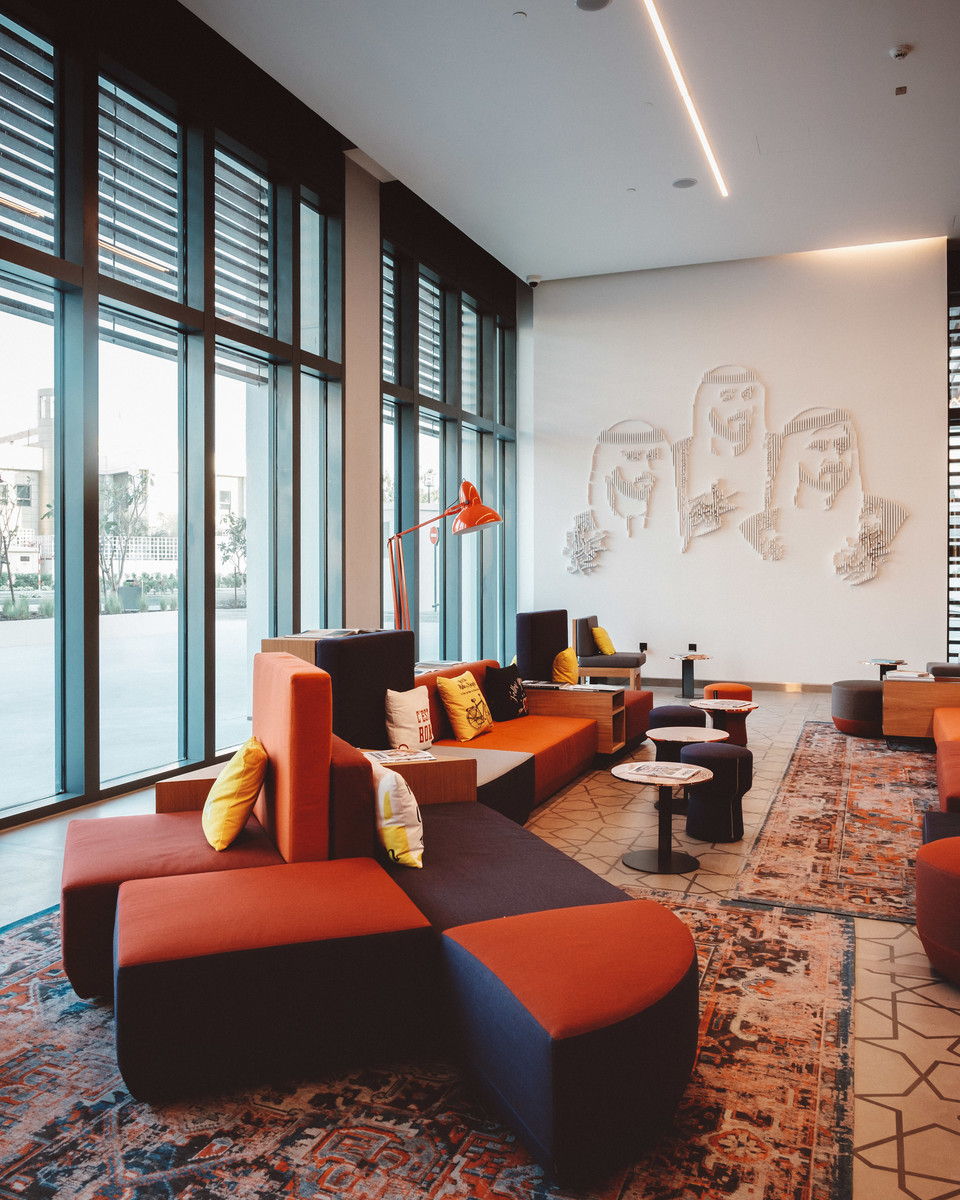
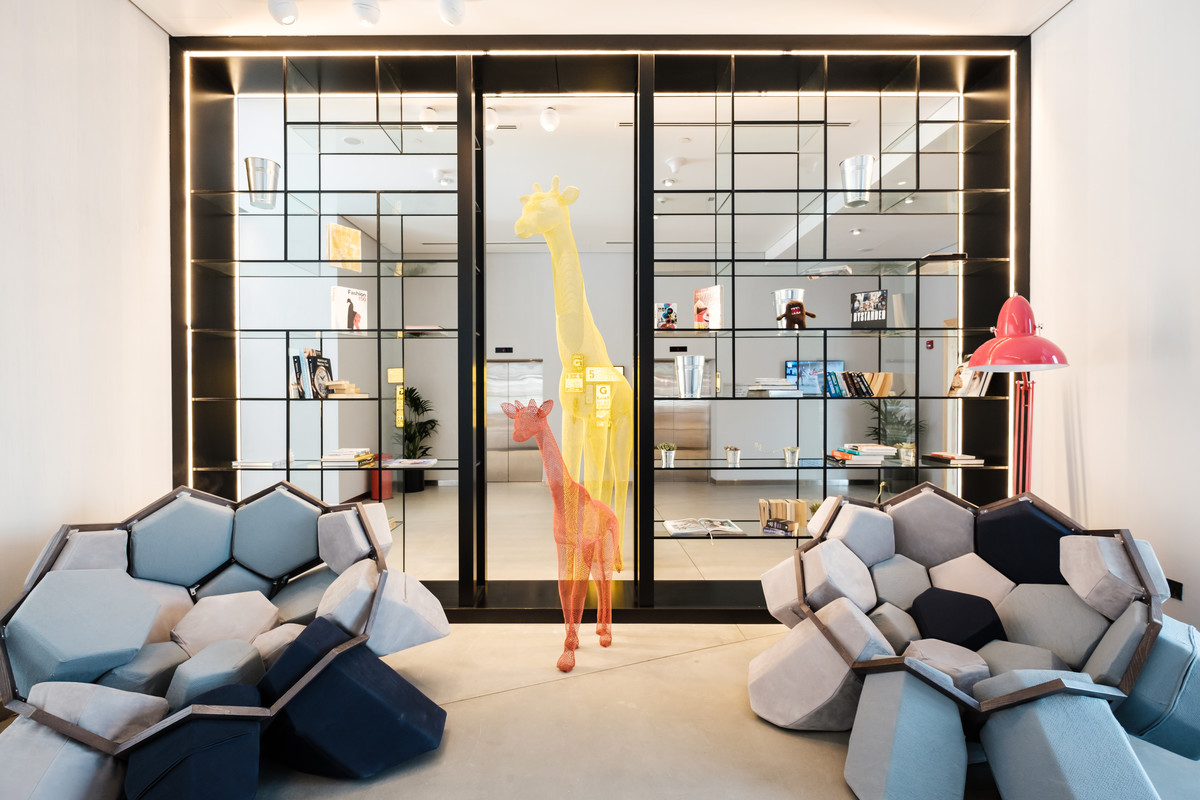
The hotel lobby is a modern-design lover’s paradise. Featuring a mish-mash of colors — brightly hued couches adorned with slogan-print cushions — together with unique Emirati-inspired art, a foosball table, and swings, guests have the option of checking in via the manned reception or through the self check-in area.
Having arrived during a non-busy period, we were surprised at the speed of check-in — it should have been quicker than it was — but this was quickly forgiven when we were surprised with a free upgrade to a room with a view of the city.
The hotel has 150 rooms split into three categories: Pocket Room, Pocket Room — City Scene, and the Family Room. Each comes with an extra-large double bed as standard.
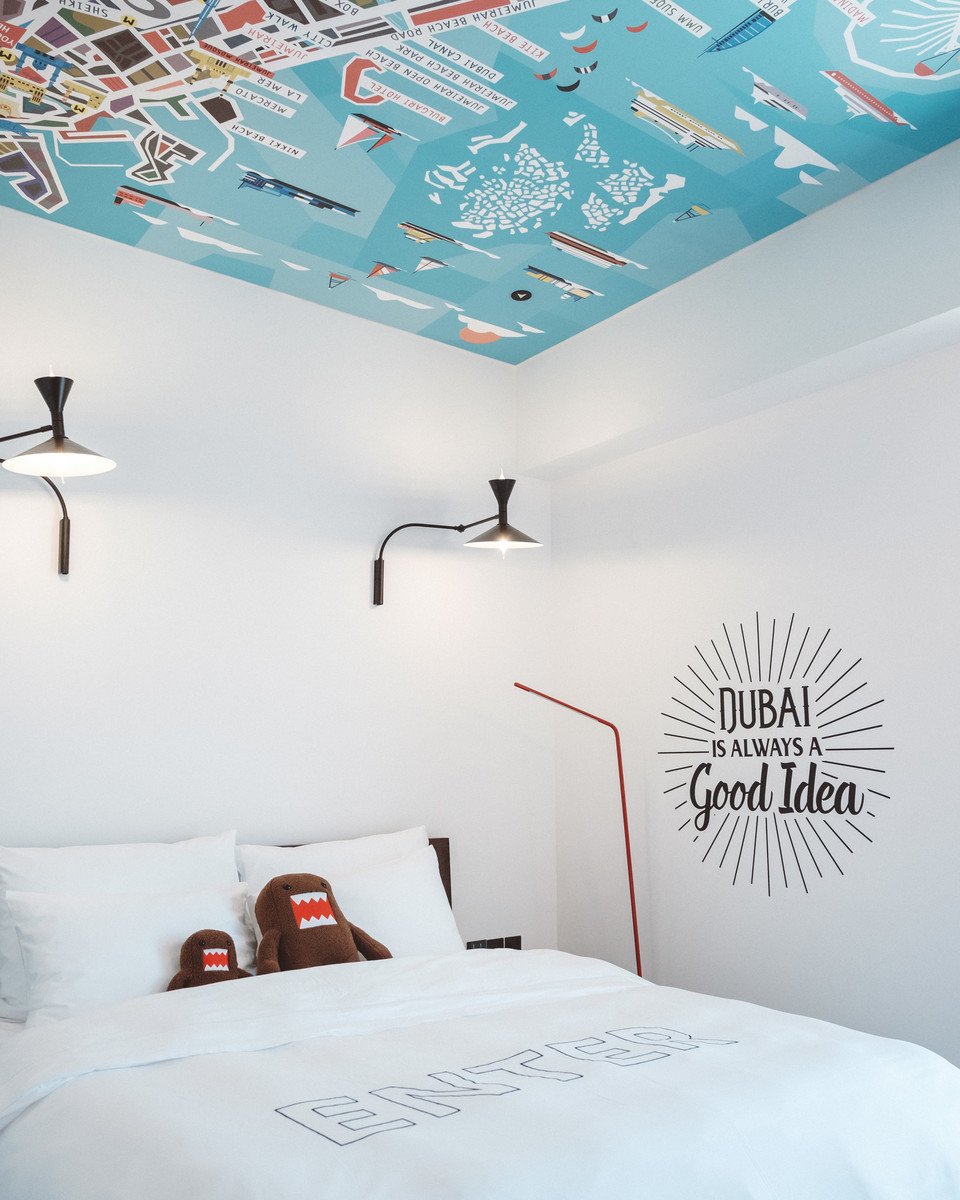
We were pleasantly surprised by just how much is packed into these little spaces. There’s a retro Smeg mini-fridge, a tablet to control lighting and other functions, an espresso machine and kettle, along with a television featuring over 100 channels. Quirky design adds to the charm, with artsy touches all around, including a fully functioning rotary dial telephone. A particular highlight is a city map of Dubai painted on the ceiling, so if you’re having trouble sleeping, you could always plan your next day’s itinerary.
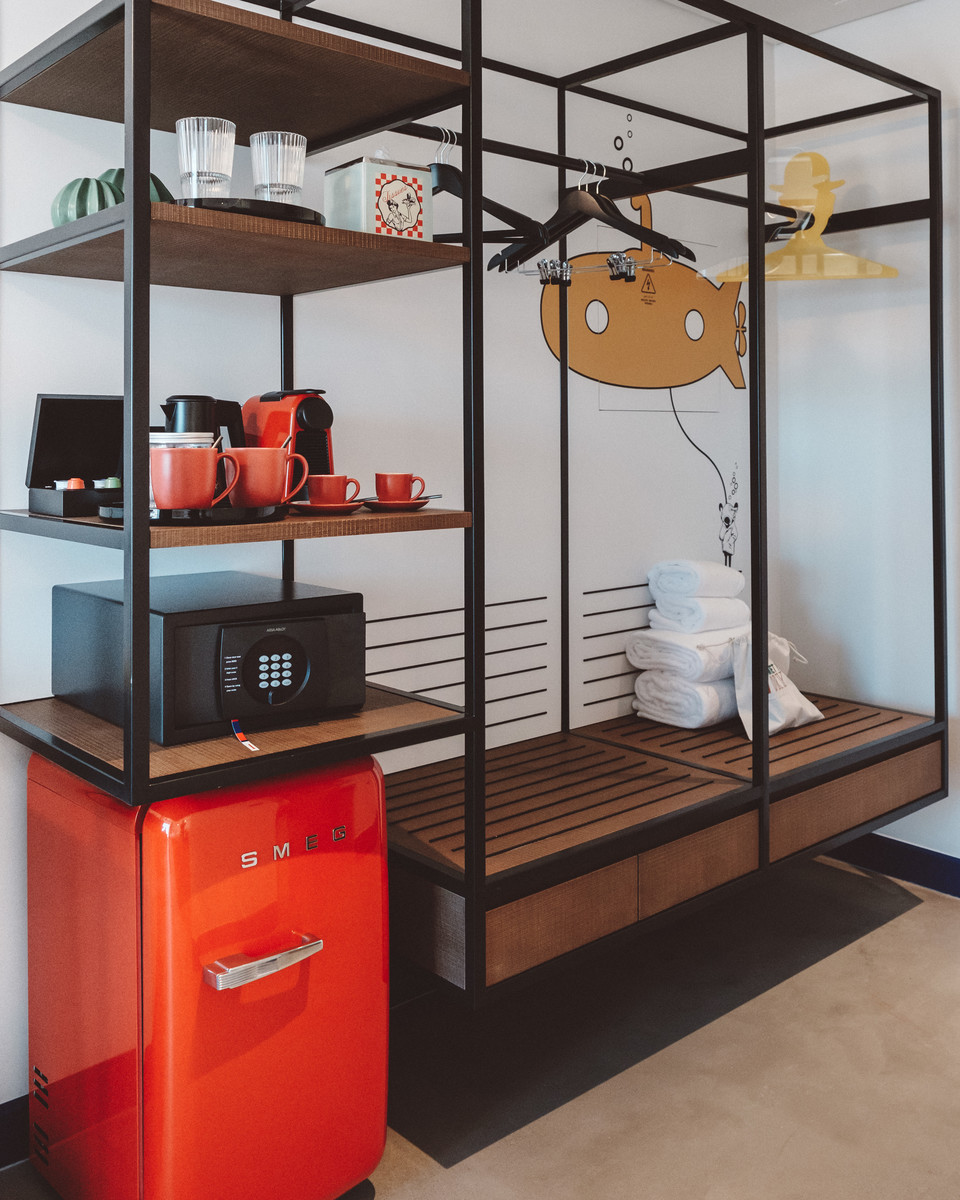
Although the City Scene room costs more, there’s really no difference between the cheaper option except for what you can see out of the window. However, if you’re staying at a time when fireworks are expected by the Creek, then this category offers a view like no other.
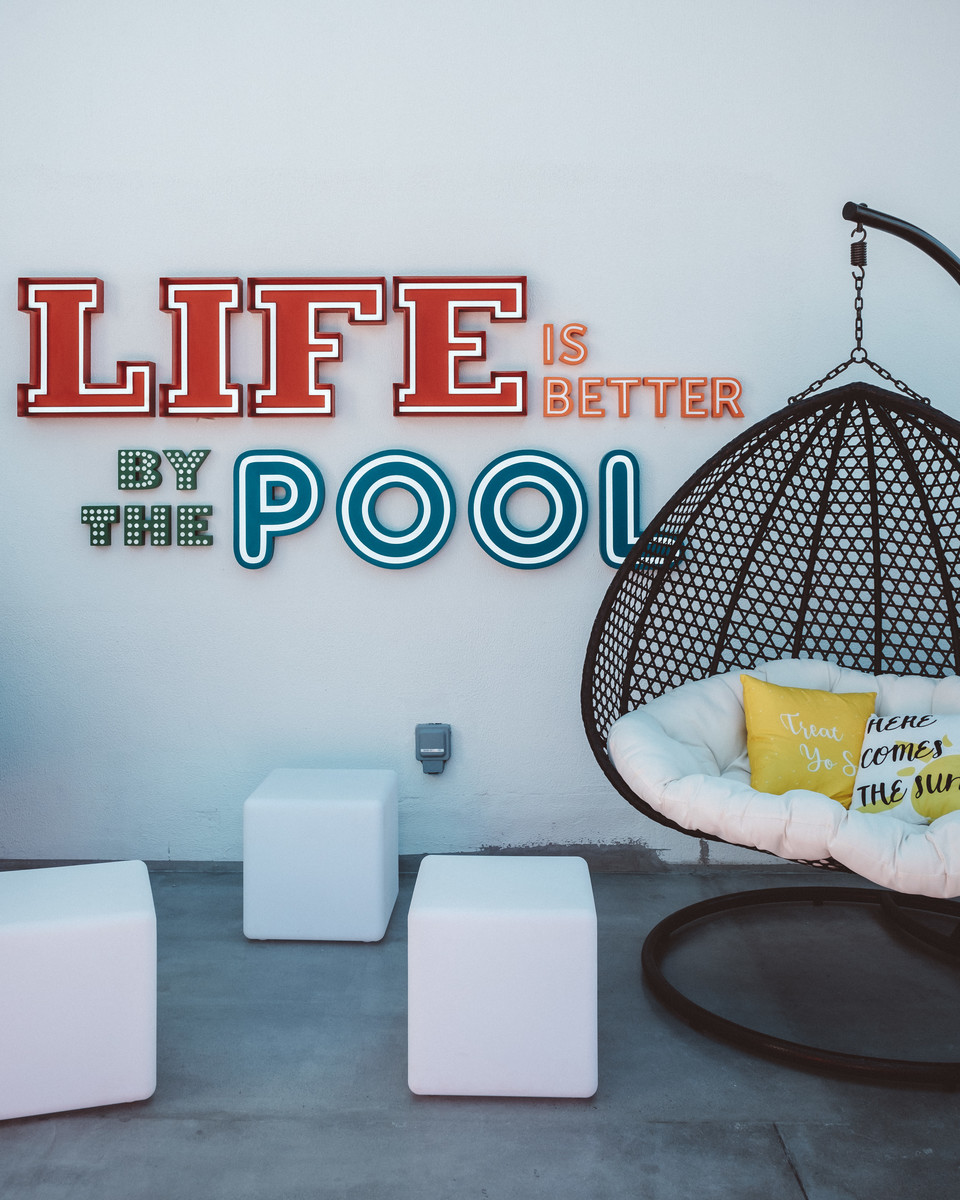
A Dubai hotel wouldn’t be complete without a swimming pool, and Zabeel House Mini’s rooftop pool with a view is well worth the visit. For those preferring to stay indoors, there’s a fitness center and sauna (although, to be honest, we spent more time playing mini pool and foosball). What’s more, there are bikes available to use around the neighborhood; a great way to get around and see some sights, at least in the winter months.
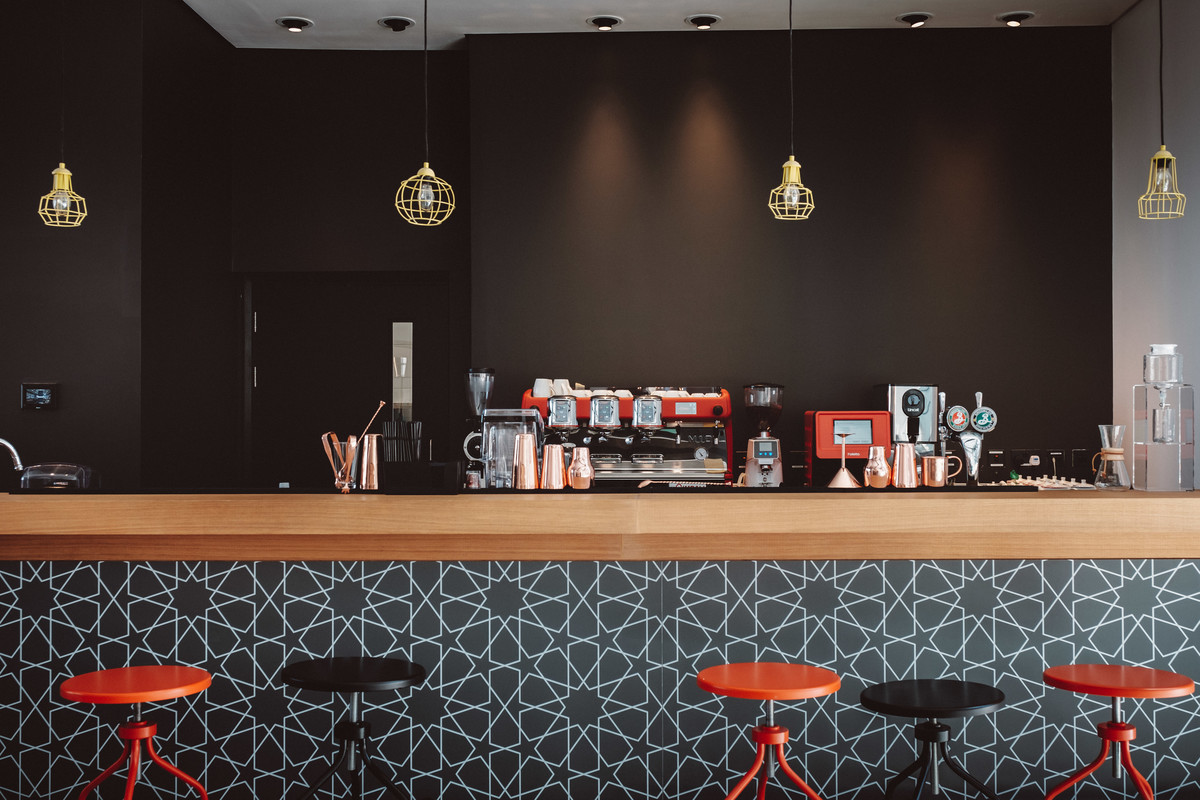
As mentioned, there are plenty of restaurants around Al Seef — from tourist-hotspot Arabian Tea House to burger chains like Five Guys — but there are also options at the hotel. C.U serves up pan-Asian and Middle Eastern, while MishMash features street food from around the world. There’s also a ‘grab-and-go’ area.
At around $75-95 per night, you really do get your money’s worth and more. The hotel is truly delightful and part of a concept that is much-needed in the region. It just goes to show that you don’t need to flash the cash to holiday like a VIP these days.


AlUla’s ancient scripts come alive after dark at Ikmah

The team at ‘Ikmah After Dark: Secrets of the Scribe’ showing a visitor how to carve on a stone. (Supplied)
Updated 04 January 2026
Follow

AlUla’s ancient scripts come alive after dark at Ikmah

  • Gen-Z local Omer Mohammad guided Arab News through the vast outdoor setting of ‘Secrets of the Scribe’

ALULA: Ikmah Mountain, also known as Jabal Ikmah, one of AlUla’s landmark archeological sites, is offering visitors a new experience this week as part of the Winter at Tantora programming, which ends on Jan. 10. 

Near the ancient city of Dadan, Ikmah highlights AlUla’s role as a major cultural and religious center long before the rise of the Nabataeans. It is being activated under the stars in a brand new, old way.

The site, often described as “an open-air library” for its hundreds of ancient inscriptions carved on its canyon walls thousands of years ago, provides visitors with have a chance to etch their own names, using the ancient alphabet, on a block of stone they can take home.

The team at ‘Ikmah After Dark: Secrets of the Scribe’ showing a visitor how to carve on a stone. (Supplied)

Written mainly in Dadanitic and Lihyanite, the ancient texts once recorded religious dedications, laws, names of rulers and traced everyday life, providing rare insights into the beliefs and social structures of early Arabian kingdoms. 

Arab News spoke with Gen-Z local Omer Mohammad, who guided us through the vast outdoor setting of the “Secrets of the Scribe — Ikmah After Dark” experience.

“When the guests arrive, we welcome them ... give them some tea to get refreshed. After that, if the group is big, we split them into two; some of the group goes to go to the carving where they are going to learn how to carve. And the other group is going to go to explore the gorge,” he said. 

Storytelling was such an important thing here 3,000 years ago. People from all over the world used to bring their animals and rest here; it had a river so it had some water and everything.

Omer Mohammad, AlUla local

The gorge is an elevated path with candles lighting the way on both sides.

“In the scripts and descriptions you’re going to see (in the mountains), you will get to know more about Dadani lives and what they used to do here,” he said.

After the hike down, visitors from both groups join at the gathering point where everyone is encouraged to rest, mingle and enjoy small bites such as dates and other goodies, as well as tea. 

While it is a new experience, the tradition is old. 

“Storytelling was such an important thing here 3,000 years ago. People from all over the world used to bring their animals and rest here; it had a river so it had some water and everything,” he said.

Dressed in garb from olden times and speaking in poetic prose, Mohammad and his peers guided us to see the light in the dark night.

“It is significant to me personally to work on this project to get people to come here and get excited (about) what’s happening, enjoy our stories and know more about Dadani life,” he said.

On a personal note, Mohammad is grateful to know more about his own history and wants to continue passing on that newfound knowledge to all generations — both younger and older than his own — and be part of the unfolding story of the land and its people.

“I guess you can say that this is the land of my ancestors. I really love history, and I really would like to know more about history — and my history,” Mohammad said. “But I just learned about this ancient history three years ago when I started working here.

“I never had the experience before, so when I knew more about it, I was so happy. And it was so good. Everyone should come,” he said.