BEIRUT: Artists from Lebanon, Jordan, Palestine, Iraq and Egypt feature in our list of the best alternative music from the region this year.
‘Nuun’
Albaitil Ashwai
This ‘neo-sufist’ Jordanian band’s name translates as ‘random house.’ Their creative output, however, leaves nothing to chance. “Nuun” is a very deliberate experiment in concocting a unique mélange of classic and indie rock, with touches of reggae and folk, and a powerful thread of traditional Arabic sounds that runs throughout. Inspired by the legendary Sufi poet Rumi, Albaitil Ashwai effortlessly weave cyclical instrumental landscapes into coherent, ambitious, and wonderfully novel psychedelia. Slow-burning opener “Al Sama’A” is as authoritative an introduction into the mind of this deeply inventive group of musicians as any. Upbeat gems like “Sindibad” and “Asr Al Dalu” set the pace, proving that the five-piece are into rocking out as much as breaking new ground. A thrilling and engaging listen.

‘A New Dawn’
Nadine Khouri
The enigmatic British-Lebanese songstress followed up her John Parish (of PJ Harvey fame)-produced “Salted Air” — an artistic triumph that finally propelled one of indie music’s best kept secrets to the fore — with this EP that sees Khouri take the reins as producer and is all about nuance and intimacy. It’s a delicate journey that unwinds slowly, twisting and turning into instrumental passages punctuated by her hypnotic, unmistakable voice. “The Hours” is an 8-minute indie epic, which radiates the spellbinding, melancholic beauty that has come to define her work. The string-drenched “To Sleep” burns so brightly and with such gut-wrenching emotional intensity, it’s easy to forget that it’s essentially a lullaby. A new dawn indeed, both as a statement of purpose, and of her power as a songwriter and, now, producer.
‘Balfron Promise’
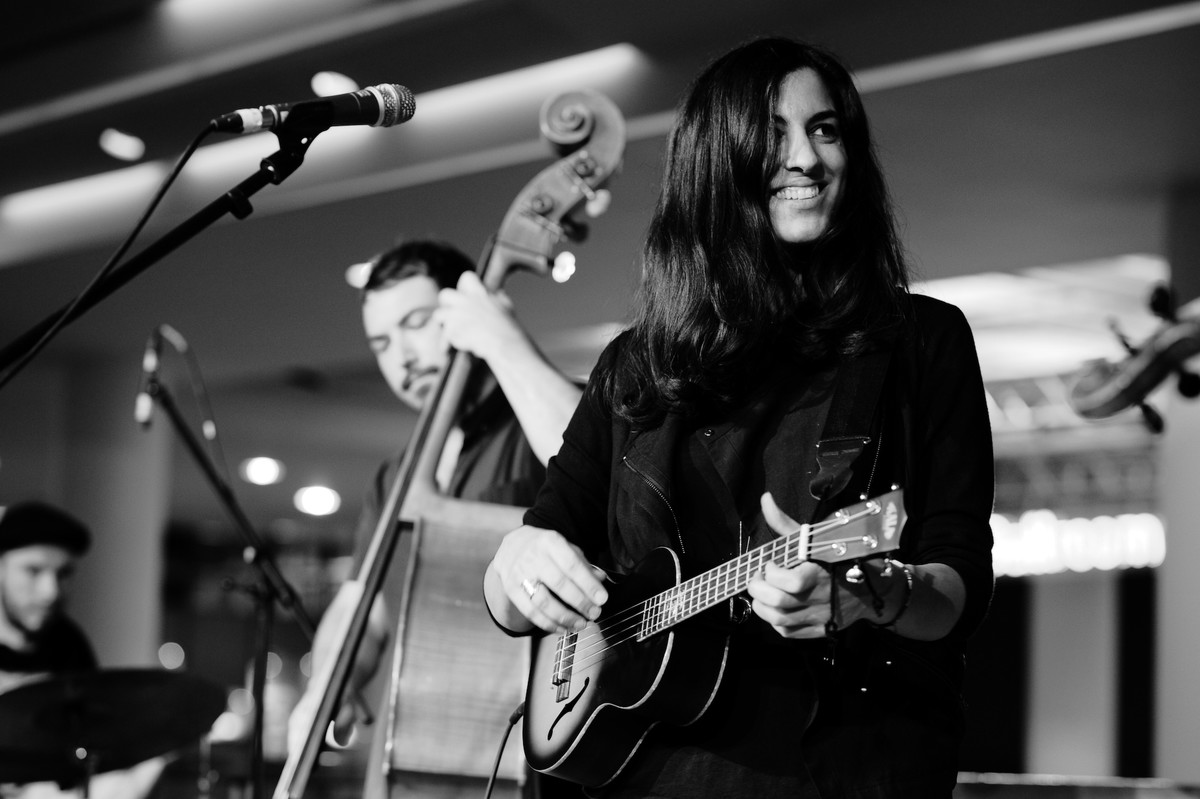
47SOUL
The London-based Palestinian collective debuted their distinctive sound — an ingenious brew of traditional Arabic instruments, chobi and mijwiz wedding music, and Egyptian electro-shaabi — on the exhilarating, crowd-funded, “Shamstep.” With “Balfron Promise,” 47SOUL cement their flair for pulsating rhythms and modal scales narrated by the ubiquitous electric keyboard. In dabke-inducing opener “Machina,” the band sprinkle Arabic lyrics with occasional pronouncements in English. Songs like “Mo Light” symbolize their genre-busting mix of everything from dub, reggae and funk to shami (Levantine) music that cradles sprawling, anthemic choruses. A vibrant, unforgettable record that will only fuel 47SOUL’s reputation for energy-packed live shows.
‘Dead Pets, Old Griefs’
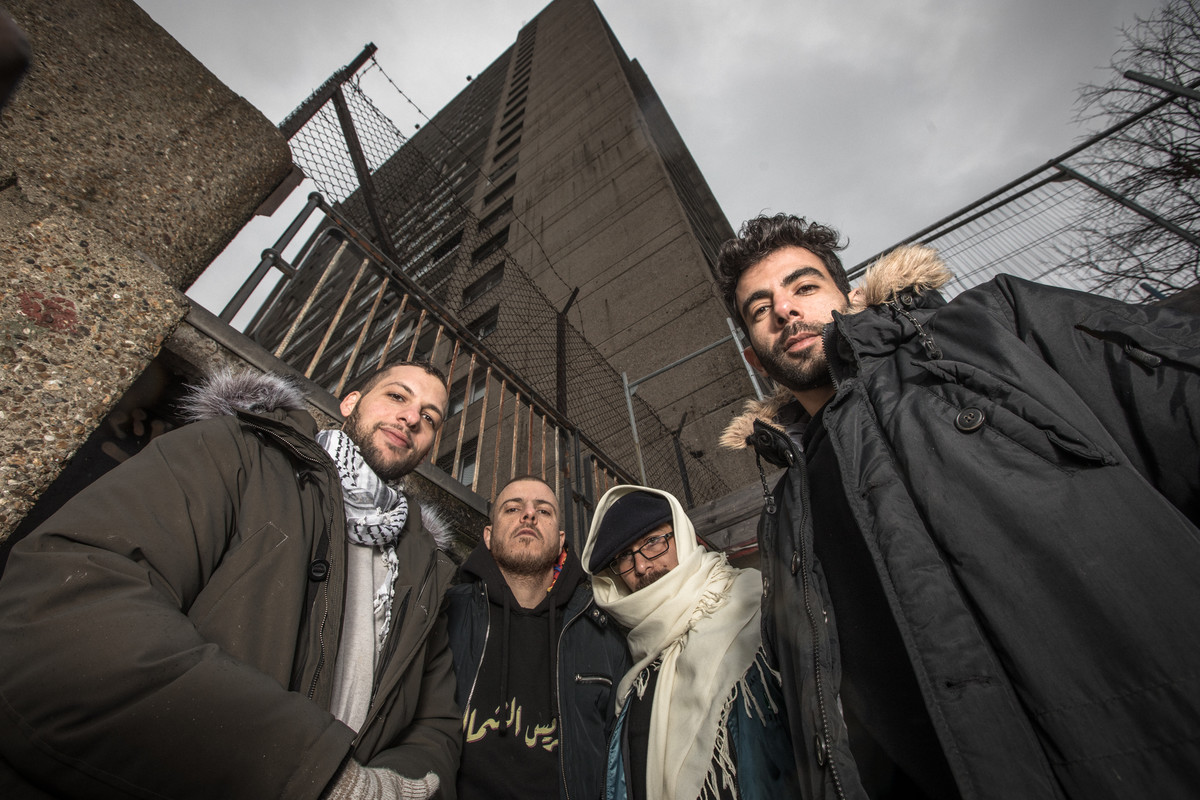
Interbellum
The brainchild of Lebanese singer-songwriter Karl Mattar, Interbellum debuted in 2016 with “Now Try Coughing,” an eight-song EP whose lo-fi pop rock inclinations were a seamless fit for Mattar’s Dylanesque crooning. This year’s Dead Pets, Old Griefs takes a bold step forward into elaborate arrangements and full-bodied production. Teaming up with multi-instrumentalist and producer Fadi Tabbal, as well as some of Lebanon’s best-known indie musicians, Mattar has alchemized Sparklehorse-styled, synth-infused experimental soundscapes and gracefully understated, often distorted, vocals. Atmospheric jams “It’s All Over” and “For Air” would fit perfectly on a Sonic Youth record, while the sprawling tenderness of tracks like “Ready to Dissolve” and “Some Ghosts” showcase Mattar’s instinctive knack for melody.
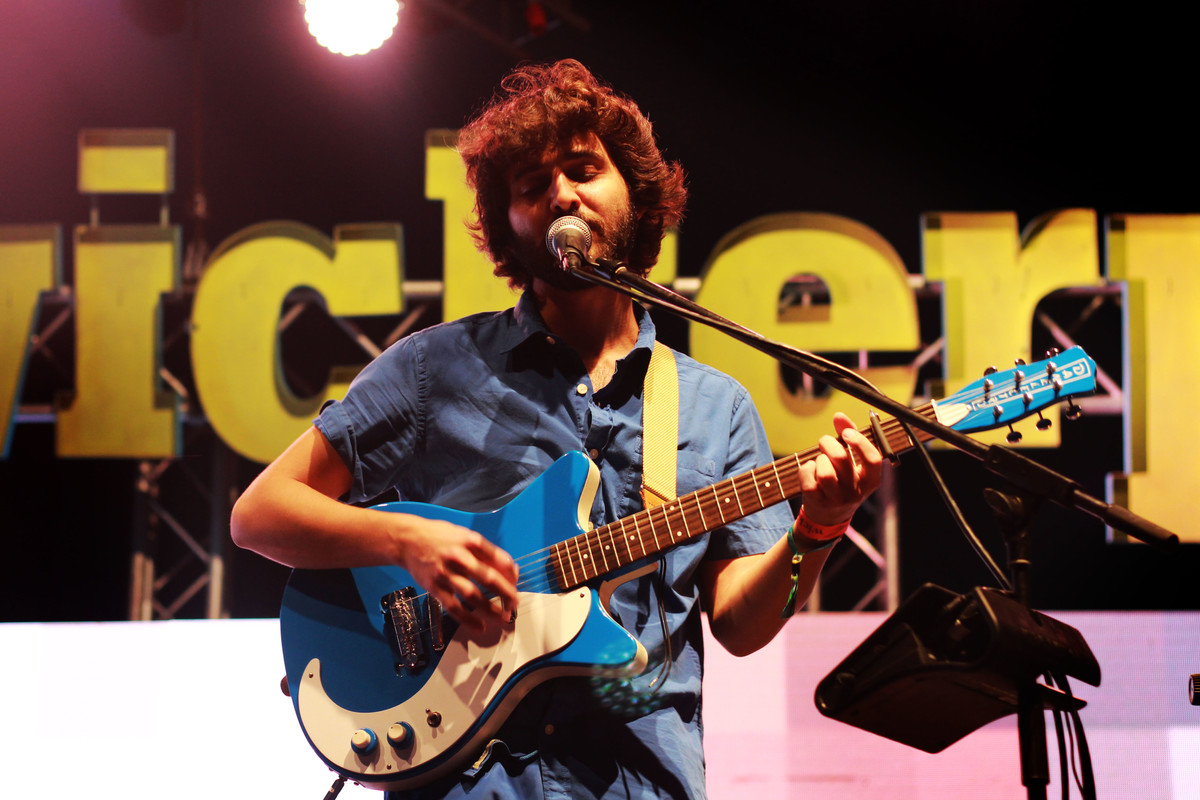
‘Downtown of Mistakes’
Wondergaap
Lebanese indie rockers Wondergaap look primed to conquer the Middle East with their dreamy instrumental hooks and fun, synth-driven grooves. The four childhood friends have called their music an “indie cocktail,” but their second EP is the sound of a young band coming of age and zeroing in on a firm identity. Produced by scene heavyweight Fadi Tabbal, “Gothic Park” is the standout track from Wondergaap’s sophomore studio effort. It gravitates around singer/keyboardist Rayan Sayegh’s intermittently somber lyrics and guitars that move flawlessly from delay-flushed ambiance to upward-stroke ska riffs. With a record full of resolve and purpose, Wondergaap are taking their alt-rock/dream pop and delightfully catchy hooks into truly exciting territory.
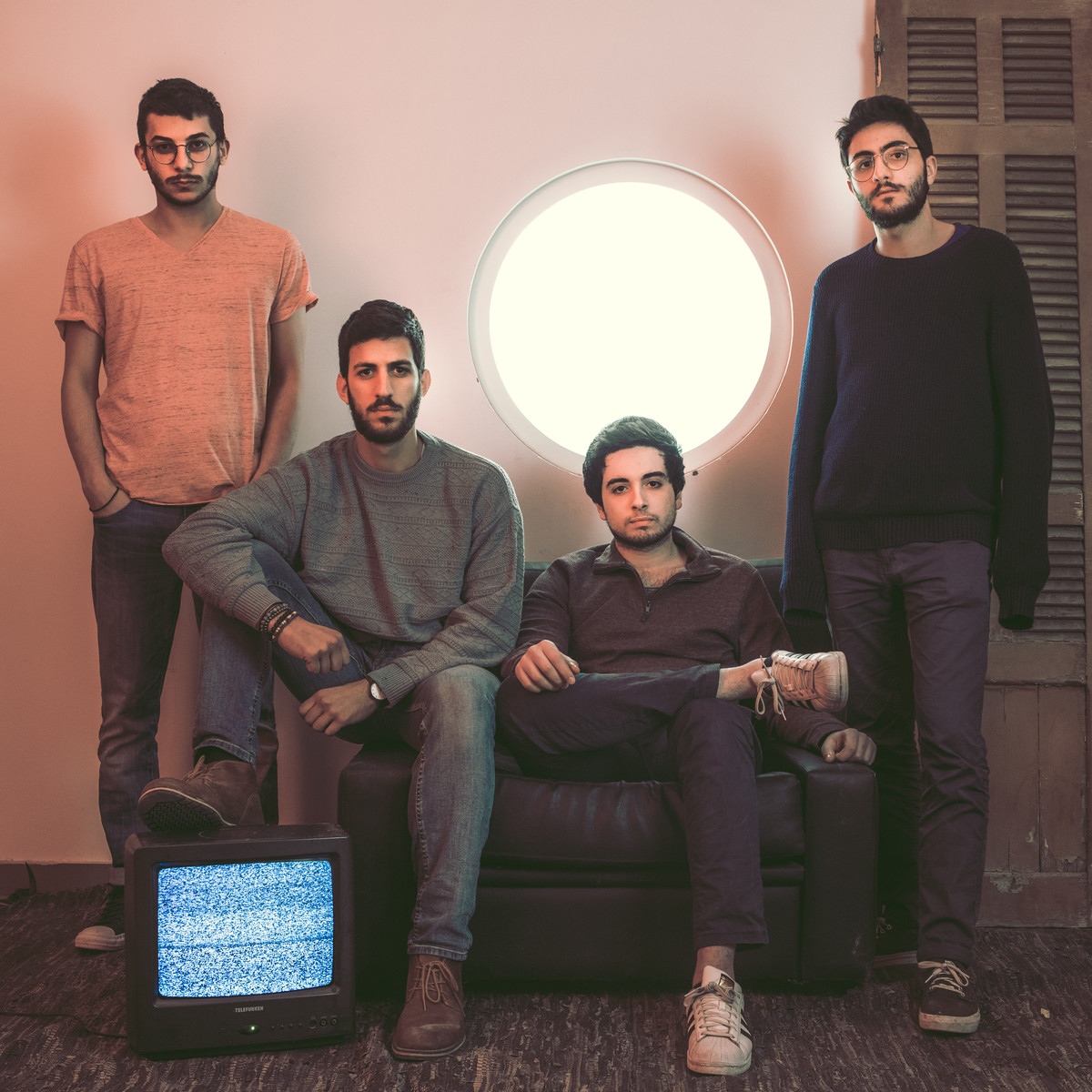
‘Don’t Replace Me by a Machine’
Trio Abozekrys
Two Cairo-born brothers — Mohamed, a dexterous oudist and prolific performer, and Abdallah, a talented saz player — joined on the drums by Nicolas Thé. Based between their hometown and France, the siblings boast an intimate knowledge of not only traditional and contemporary Arabic music, but also a wide repertoire from the Egyptian, Turkish and Iraqi schools of musical thought. The eclecticism is abundant in the trio’s largely instrumental debut. Vocals are only employed sparsely in “Otieno Spirit”, allowing the Abozekrys’ ethereal rapport to fully take flight. Thé is a crucial ingredient: his rhythmic backbone imbues the songs with jazz leanings and a groove-based approach that “Wesh Wash” and “My Cairo” most lucidly embody. In all, Trio Abozekrys turn in a memorable performance, and it’s a joy to listen to for both aficionados and casual listeners.
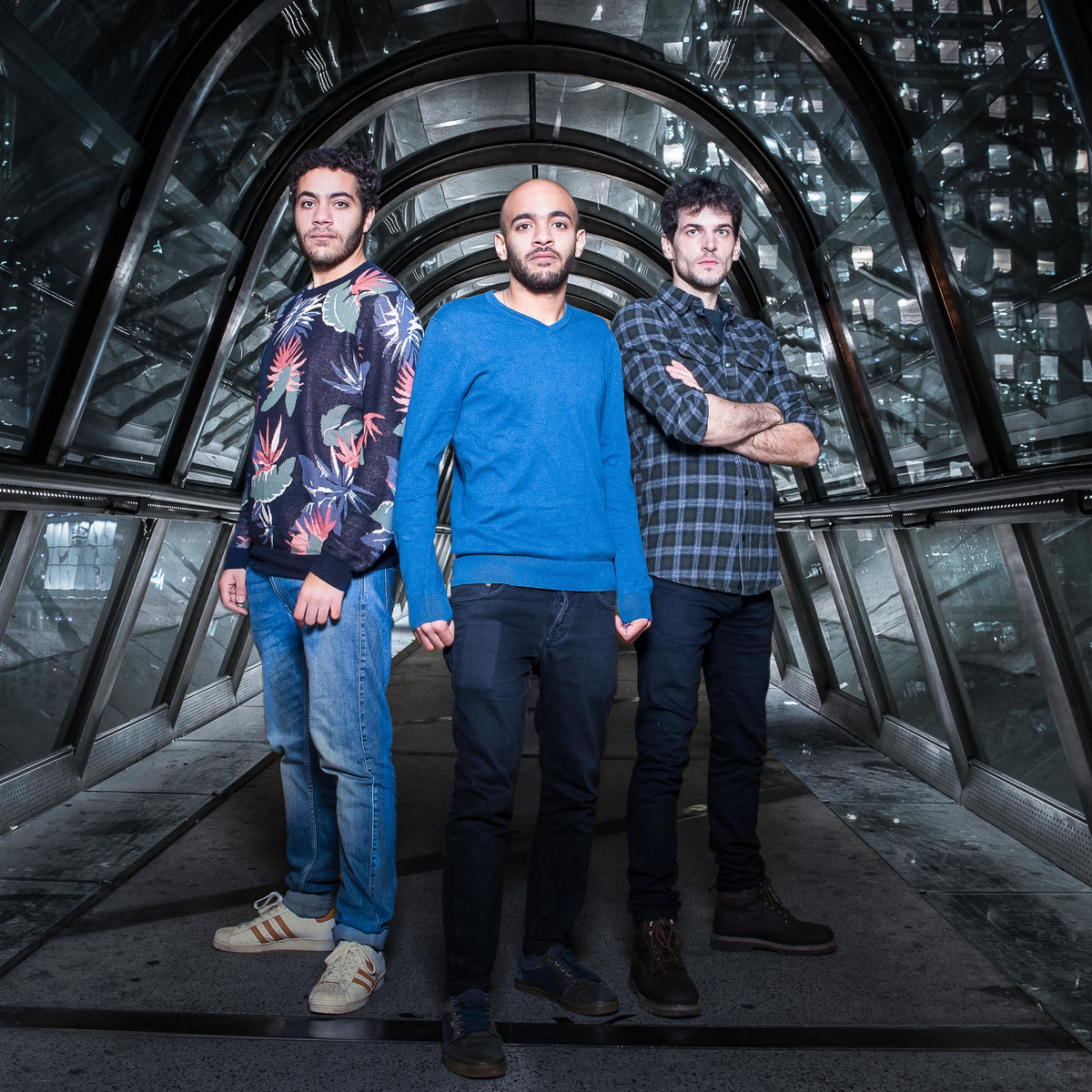
‘Spacetime’
Narcy
Yassin Alsalman (aka Narcy) has been a staple in both Montreal’s and the Arab world’s hip-hop scenes. Narcy is also a seasoned actor, academic, activist and consultant on film and video projects for luminaries such as Anderson Paak, Dave Chappelle and Spike Lee. His latest venture is just as grand: a hip-hop opus that comes with its own list of renowned collaborators, including Middle Eastern indie royalty Yasmine Hamdan and Mashrou’ Leila, and the tracks featuring these guests are some of the most profound. The rapper’s examination of his upbringing on “Time” is poignantly narrated by singer Hamed Sinno’s infectiously melodic chorus. The brooding nine-minute “Space,” meanwhile, dedicates its mid-section to atmospheric hums piloted by Hamdan’s inimitable voice. Looking to the future while keeping an eye on the past, Narcy notches another win.

‘Nasi’
Hana Malhas
An artist — Hana Malhas once said — is someone uniquely equipped to find beauty in damage. Her major-label debut is a notable departure from her earlier folksy spin on the singer-songwriter approach that focused primarily on Malhas’ velvety, heartfelt vocals, with her music given a remarkable dynamic lift into electro-acoustic pop heights thanks in part to producer Khaled Nimry. But Malhas remains perceptive and grounded. Even in tracks like “Code”, which flirts with exuberant dance pop and gleeful abandon, there is a thoughtful, introspective melancholy that anchors everything in something tangible and incredibly real. On Nasi, Malhas has indisputably evolved, but she stays true to herself and retains her gift of finding ‘beauty in damage.’
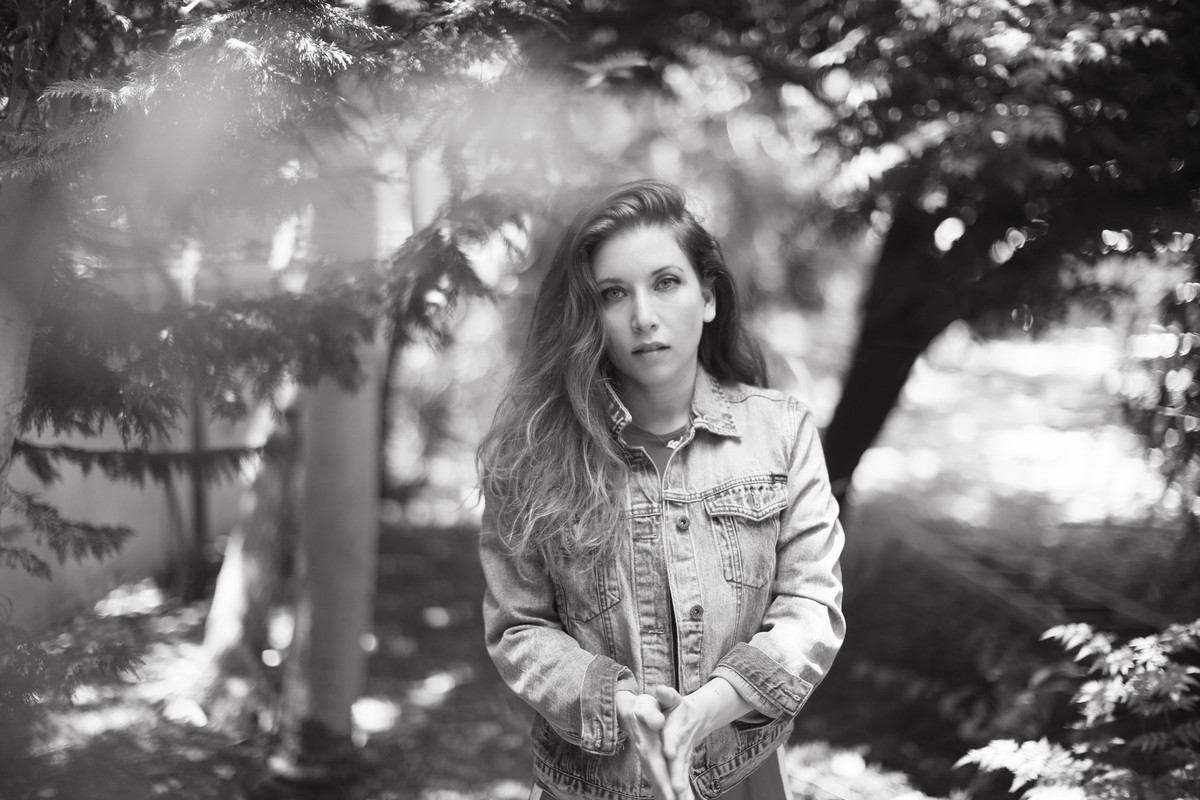
‘The Long March’
Le Trio Joubran
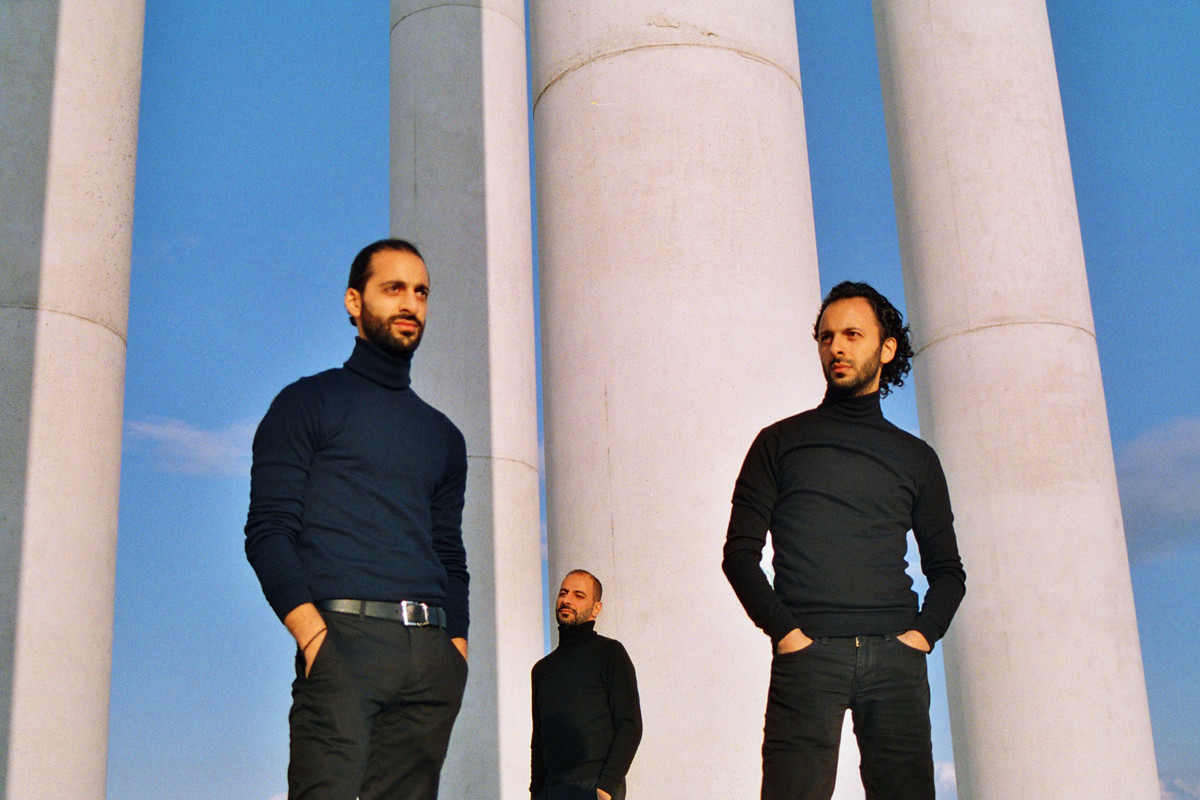
The second group of virtuoso siblings on our list — Palestinian oudists Samir, Wissam and Adnan Joubran are masters of ‘the king of instruments’. It’s not hard to close one’s eyes and quickly drift off into the magical musical tapestry that the Joubrans skillfully knit with melodies that do their own singing in the absence of vocals. The latter do come, most notably from ex-Pink Floyd frontman Roger Waters, who conducts the emotion-laden “Carry the Earth” with his iconic presence. The spiritual union that Le Trio Joubran carefully construct through their love affair with the oud permeates soaring chef-d’oeuvres like “Clay,” which introduces jazz contours via a mesmerizing piano mid-section. “The Long March” is a work of art that serves as a playground for the Joubrans’ extraordinary experiment.
‘Umm El Mawjat’
The Synaptik
He’s one of the Middle East’s hottest rappers at the moment, and the 25-year-old’s first full-length album lives up to the hype. Umm El Mawjat (‘the mother of all waves’) is a subversively cathartic affair, laced with this dynamic performer’s longing for escape from the mundanity of daily life in his native Amman. The title track sees him express a fear of mediocrity and the prospect of one day forgetting his dreams. In “Matar,” he painstakingly chronicles the notion of facing the cold, cruel world alone and companionless. The Synaptik strives for perfection, and ‘the mother of all waves’ is his clean slate, one that has announced the arrival of an authentic artist in command of his craft.