

Tantalizing Tokyo: The unique charms of Japan’s capital city

Ameyoko Market in Tokyo. (Shutterstock)
Updated 11 December 2018
Follow

Tantalizing Tokyo: The unique charms of Japan’s capital city

  • A short stay guide of Tokyo
  • A variety of things to do in this immersive city

DUBAI: Before my trip to Tokyo, I’d been told how terribly expensive Japan was; how, without some basic knowledge of the language I would struggle; but, on the flipside, how it was leaps and bounds ahead of the world with technology.
What I found was quite different: from the affordability (shop around and you’ll find some brilliant deals), the welcoming nature of its people, and the fluently spoken English (with signage to match), but, weirdly, the least-accessible Wi-Fi I have ever experienced. (Tip: If you’re staying in Japan for any length of time and don’t have data roaming and the hotel hasn’t provided a complimentary smartphone, buy a SIM at the airport — you really will need access to Google Maps.)
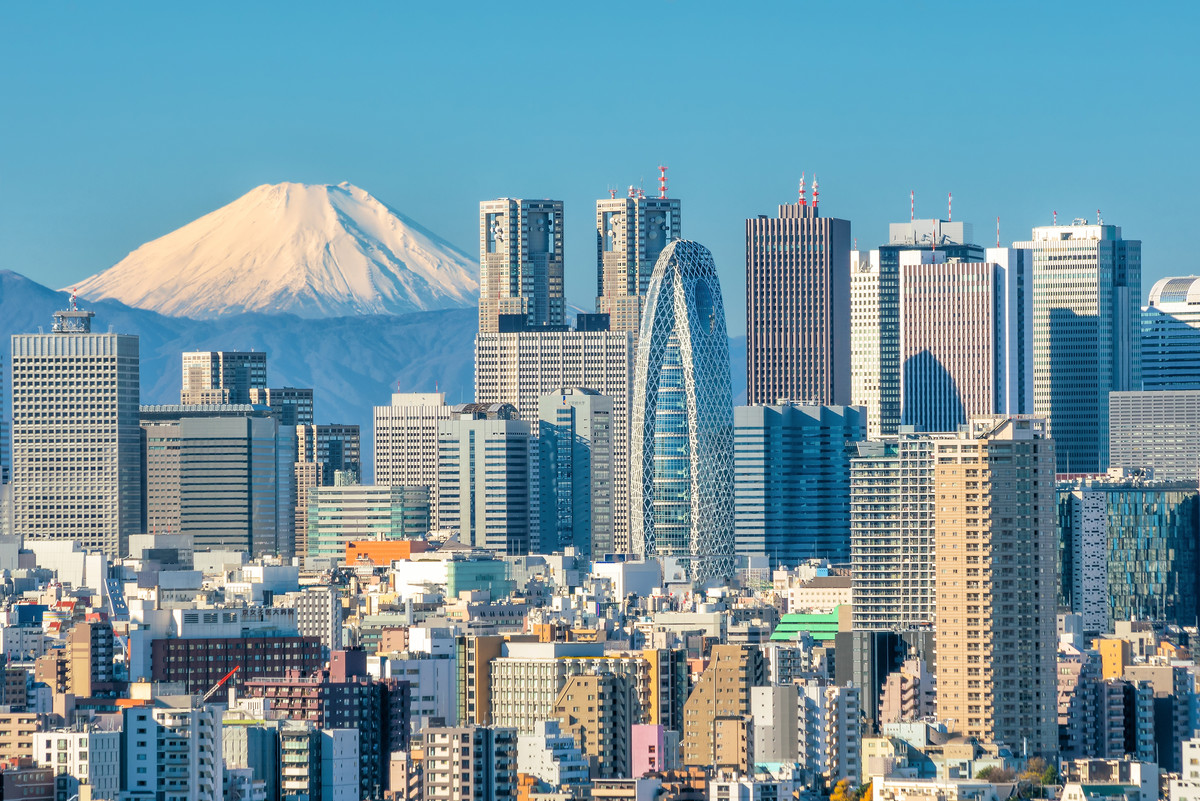
For my week in Tokyo I was staying at Daiwa Roynet, a modern, spacious hotel in the top-notch upmarket shopping district of Ginza. It’s a great area to get over the jetlag — bustling enough to make it fun, but not too crazy.
Following the advice of the concierge (more useful than any travel guide) I headed to the Ameyoko market, close to Ueno Park. The narrow walkways are filled with shops and stalls selling everything you’d expect to find and more — from raw fish and meat, to shoes, bags and clothes. It was an assault on the senses. The air filled with the noise of traders shouting out their offers in Japanese, and the varied smells of what they were offering.
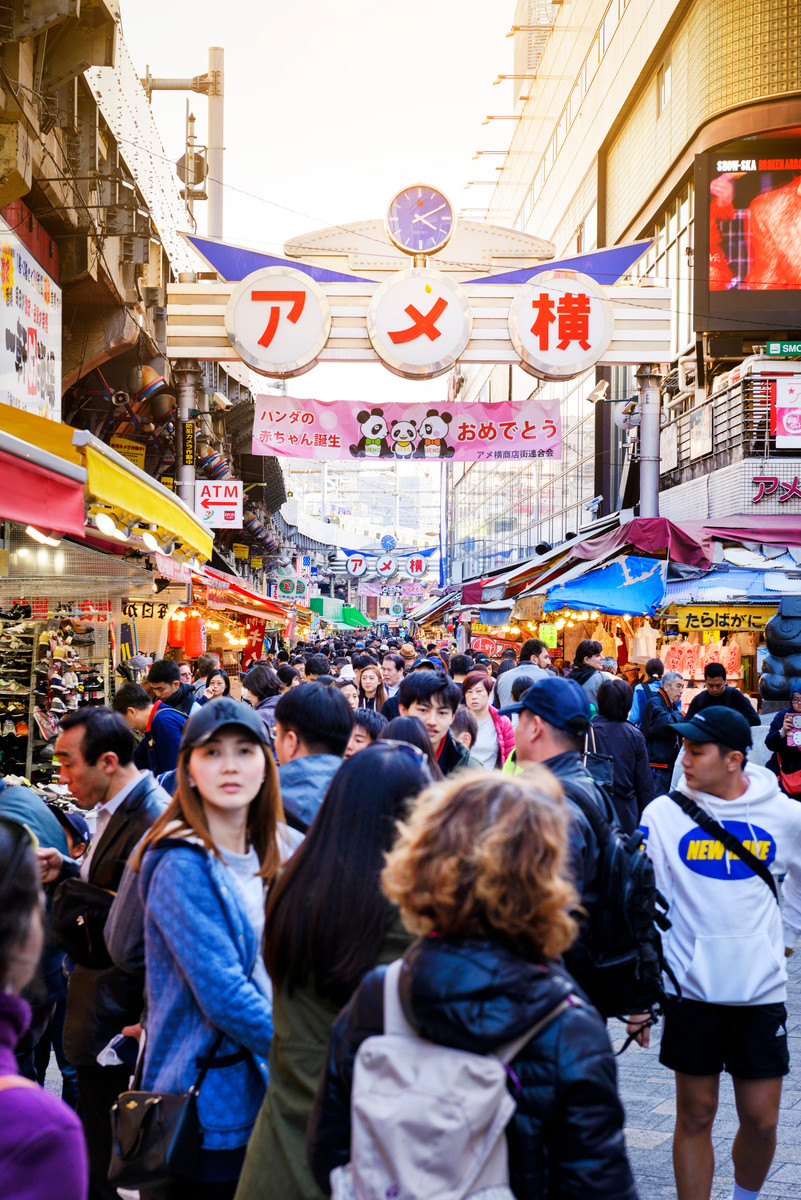
You can pass hours wandering here — taking photos and admiring the organized chaos — but you’ll need to find some lunch eventually. Thankfully it’s easy to grab a hearty bowl of ramen at one of the scores of doorway noodle bars in the district. All seemed worth trying.
From the cacophony of noise at Ameyoko, it’s a short trip across the street to the much-calmer Ueno Park, which boasts a selection of galleries, museums and Tokyo’s famous zoo. During my visit, the Tokyo Metropolitan Art Museum had a varied free exhibition of high-quality work by up-and-coming local artists, but the majority of its other exhibitions required individual entry fees.
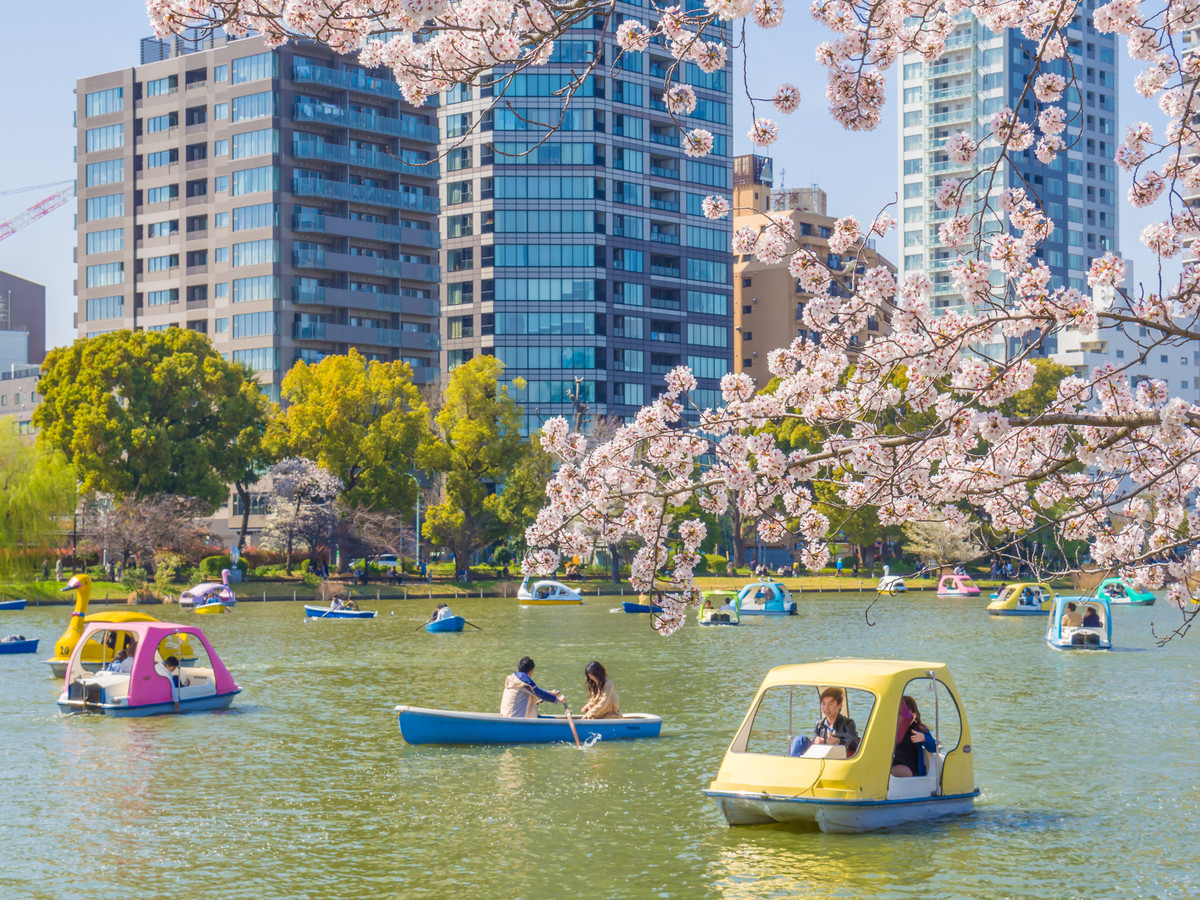
Ueno Park itself was like a scene from a movie: Busy with weekend crowds enjoying the afternoon sun, and distractions including arm wrestlers and small congregations of people dancing to various genres of music. A passer-by stopped and asked one of a group of Rockabillies if they were dancing for money. “No,” came the response. “We do it because we like to dance.”
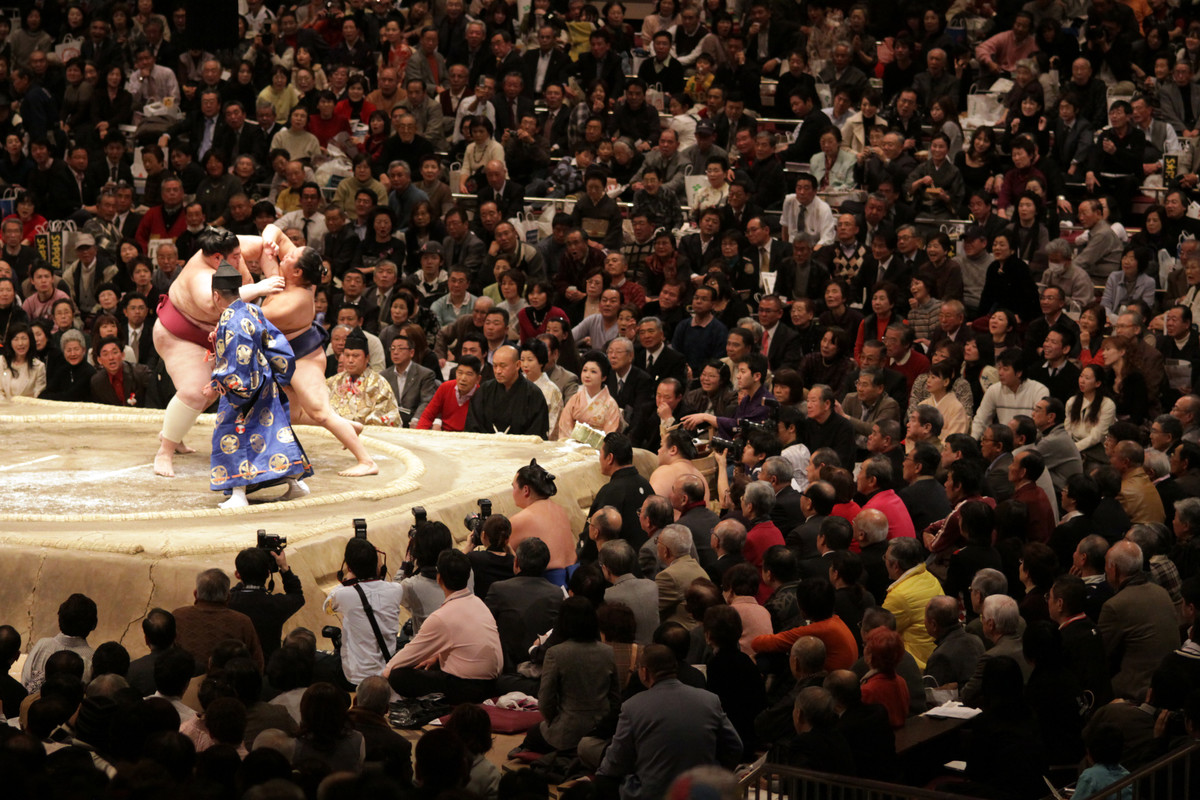
If you visit, as I did, during the sumo-wrestling season (it’s complicated — Google can explain) and want to check out Japan’s national sport, head to the Ryogoku arena. But make sure you book in advance — sumo is a major draw. The wrestling starts early — about 8 a.m. — but the majority of people show up from about 2 p.m. onwards and stay until the end. Expect to spend around $90. It’s worth it. Sumo is fun. The build-up can take several minutes before these enormous men finally collide like locomotives, grappling at one another, before seconds later the bout is over and one is declared the winner. You don’t need to be an expert to figure out what is happening and you don’t need to be a sports fan to enjoy it.
To appreciate just how vast this sprawling megacity is, head for the Tokyo Skytree tower, which takes you up to 450 meters above the busy streets. On a clear day you can reportedly see Mount Fuji in the distance. I did not visit on a clear day. Even so, the sights that were visible, in all directions, were stunning.
After a week traveling across Japan, I returned to Tokyo, and booked into the cozy boutique Shibuya Hotel EN, a short walk from the world-famous pedestrian crossing where, as the traffic stops, the street becomes a sea of people. This crossing is such a draw that even the Starbucks overlooking the road has become a tourist destination. This is next-level people-watching.
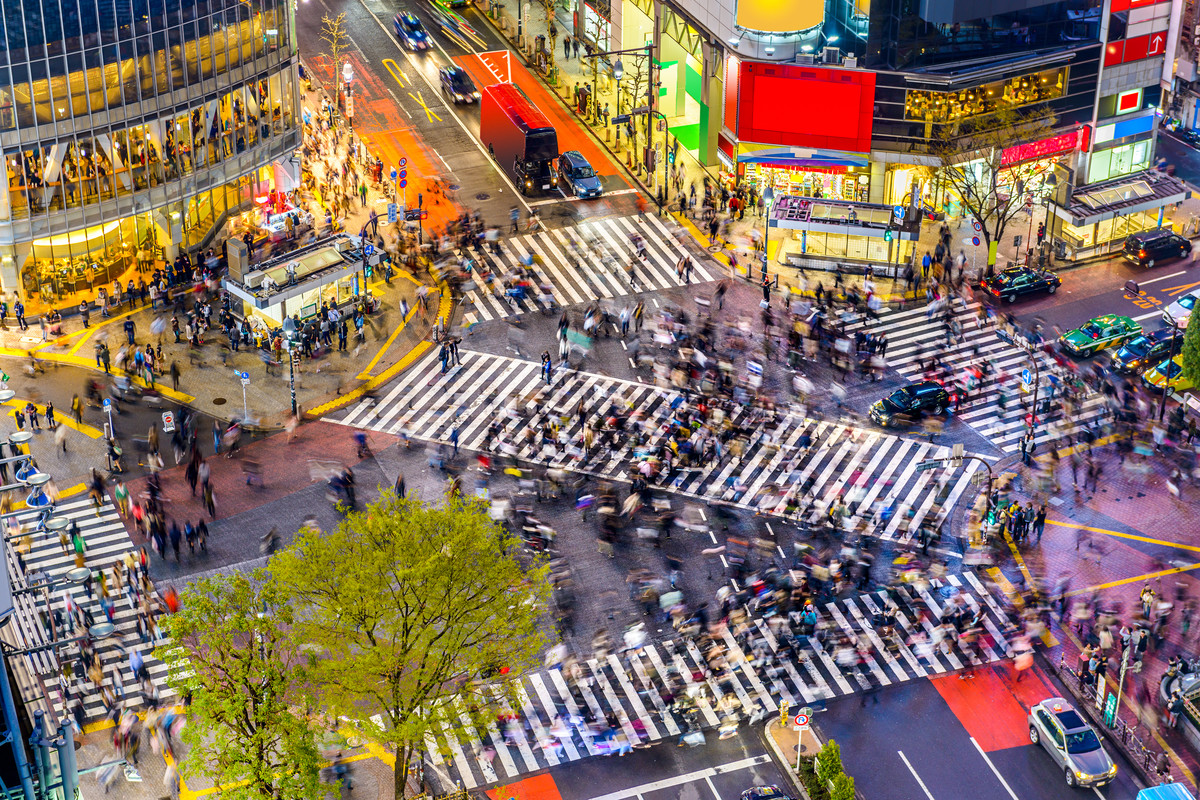
The surrounding area, too, is well worth a look — whether in the shops selling cards and figurines from various Japanese manga comics, or in the more generic stores selling every bargain you could possibly want.
Prior to my trip, some had said that Tokyo had little to offer and it was better not to spend too much time there. I suspect those people had never been. One week barely scratches the surface of this fascinating city. Next time, I’ll stay longer.


Russian cyclist finds warm welcome on Saudi Arabia’s roads 

Updated 20 January 2026
Follow

Russian cyclist finds warm welcome on Saudi Arabia’s roads 

  • Anna Rodnishcheva’s ride through Kingdom is defining chapter in solo expedition
  • Rodnishcheva cycled to Aqaba, crossed the border into Saudi Arabia, and has since traveled through Tabuk, AlUla, Madinah, Jeddah, and Taif on her way to Riyadh

MAKKAH: Solo adventurer Anna Rodnishcheva, 27, has undertaken an ambitious journey that spans countries, climates and cultures — on a bicycle. 

Born and raised in Moscow and trained as a biologist before becoming an event photographer, she now finds herself pedaling thousands of kilometers across unfamiliar landscapes in pursuit of discovery, connection, and the simple joy of movement.

In her conversation with Arab News, Rodnishcheva offered a detailed account of her ongoing route in Saudi Arabia, describing how the expedition is her third major cycling adventure.

After previously riding from Moscow to Sochi and later from Vladivostok to Sochi — a route that stretches across the entirety of Russia — she felt compelled to explore foreign lands by bicycle.

She set off from Moscow heading south last June, passing through Russia, Georgia, and Turkiye before flying from Antalya to Amman. She cycled to Aqaba, crossed the border into Saudi Arabia, and has since traveled through Tabuk, AlUla, Madinah, Jeddah, and Taif on her way to Riyadh.

Rodnishcheva explained that physical preparation played only a small role in her planning. She began slowly and allowed her body to adapt naturally over the first month. 

The true challenge, she said, was in the mental and financial preparation. She spent a year and a half planning the journey, even though she originally intended to postpone it for several more years. 

Ultimately, her belief that “life is short” convinced her to start with the resources she already had. Although she sought medical evaluations and additional vaccinations, she was unable to complete them all and decided to continue regardless.

Her journey through Georgia and Turkiye presented unexpected difficulties. Simple tasks such as finding groceries or locating bicycle repair shops became more challenging outside of Russia, where she knew how to navigate on a budget. 

She also encountered language barriers, though the situation improved when a local cyclist joined her in Georgia. The intense midsummer heat added another layer of difficulty, but she had prepared herself for such conditions.

One of the most striking moments of her trip occurred as she crossed from Jordan into Saudi Arabia. She described the experience as surreal and emotionally overwhelming, likening it to the adventures of a literary hero traveling across the Arabian Peninsula. 

Her anxiety eased unexpectedly when she got a flat tire at the border, bringing her back to the present. 

Despite being warned that crossing by bicycle would be prohibited, the process went smoothly, and she was struck by the friendliness of both Jordanian and Saudi officials. She expressed particular surprise at meeting a female Saudi passport officer, an encounter that challenged her previous assumptions about women’s roles in the Kingdom.

Rodnishcheva said the hospitality she had experienced in Saudi Arabia surpassed anything she had encountered on previous journeys. Drivers frequently stop to offer her water, fruit, or sweets, and several families have generously hosted her in their homes or guest flats. 

She emphasized that she feels completely safe traveling across the Kingdom, especially on the open roads between cities, noting the strong and visible security presence.

She has also observed significant differences in weather. While the stretch from the border to Jeddah was hot despite being winter, the climate changed dramatically after climbing Al-Hada in Taif, turning cooler and windier — a climate she compared to Russian summers.

Rodnishcheva documents her travels primarily through Russian-language platforms such as VK and Telegram. Although she maintains YouTube and Instagram accounts, she explained that her schedule left little time for frequent updates.

Offering a message to women around the world who dream of embarking on similar adventures, she said such journeys were “not as scary as they seem before you start,” though they may not suit everyone.

Her closing advice? “Listen to your heart.”
