GAZA: Palestinian health officials in the Gaza Strip say six militants have been killed and six have been wounded by Israeli fire in a sudden, late-night burst of fighting.
Sunday’s exchange of fire came as Israel and Gaza’s Hamas rulers appeared to be making progress toward an unofficial cease-fire.
Israel’s security forces also killed a commander from Hamas in clashes in the Gaza Strip, Gaza officials have reported.
They said a group of Hamas members were fired upon from a passing car.
Witness staements said Israeli planes fired more than 20 missiles into open areas where the incident took place.
“During Israel Defense Forces operational activity in the Gaza Strip, an exchange of fire evolved,” and IDF statement read.
It comes after a Palestinian was killed by Israeli fire on Friday during clashes along the Gaza-Israel border.
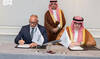
The deaths come after Saudi Arabia sent $60 million to the Palestinian Authority on Sunday.
Osama bin Ahmed Nagali said in a press statement that the Kingdom will “continue to support the Palestinian cause on political, economic and humanitarian levels.”

At least six dead in Israel-Palestine clashes in the Gaza Strip
Hezbollah chief accuses Israel of ignoring ceasefire agreement
- Naim Qassem says moves to disarm his group in Lebanon are an 'Israeli-American plan'
- Lebanese military is expected to complete Hezbollah’s disarmament south of Litani River as oart of ceasefire
BEIRUT: Hezbollah leader Naim Qassem on Sunday said moves to disarm the group in Lebanon are an “Israeli-American plan,” accusing Israel of failing to abide by a ceasefire agreement sealed last year.
Under heavy US pressure and fears of expanded Israeli strikes, the Lebanese military is expected to complete Hezbollah’s disarmament south of the Litani River — located about 30 kilometers (19 miles) from the border with Israel — by the end of the year.
It will then tackle disarming the Iran-backed movement in the rest of the country.
“Disarmament is an Israeli-American plan,” Qassem said.
“To demand exclusive arms control while Israel is committing aggression and America is imposing its will on Lebanon, stripping it of its power, means that you are not working in Lebanon’s interest, but rather in the interest of what Israel wants.”
Despite a November 2024 ceasefire that was supposed to end more than a year of hostilities between Israel and the Iran-backed Hezbollah group, Israel has kept up strikes on Lebanon and has maintained troops in five areas it deems strategic.
According to the agreement, Hezbollah was required to pull its forces north of the Litani River and have its military infrastructure in the vacated area dismantled.
Israel has questioned the Lebanese military’s effectiveness and has accused Hezbollah of rearming, while the group itself has rejected calls to surrender its weapons.
“The deployment of the Lebanese army south of the Litani River was required only if Israel had adhered to its commitments... to halting the aggression, withdrawing, releasing prisoners, and having reconstruction commence,” Qassem said in a televised address.
“With the Israeli enemy not implementing any of the steps of the agreement... Lebanon is no longer required to take any action on any level before the Israelis commit to what they are obligated to do.”
Lebanese army chief Rodolphe Haykal told a military meeting on Tuesday “the army is in the process of finishing the first phase of its plan.”
He said the army is carefully planning “for the subsequent phases” of disarmament.
Under heavy US pressure and fears of expanded Israeli strikes, the Lebanese military is expected to complete Hezbollah’s disarmament south of the Litani River — located about 30 kilometers (19 miles) from the border with Israel — by the end of the year.
It will then tackle disarming the Iran-backed movement in the rest of the country.
“Disarmament is an Israeli-American plan,” Qassem said.
“To demand exclusive arms control while Israel is committing aggression and America is imposing its will on Lebanon, stripping it of its power, means that you are not working in Lebanon’s interest, but rather in the interest of what Israel wants.”
Despite a November 2024 ceasefire that was supposed to end more than a year of hostilities between Israel and the Iran-backed Hezbollah group, Israel has kept up strikes on Lebanon and has maintained troops in five areas it deems strategic.
According to the agreement, Hezbollah was required to pull its forces north of the Litani River and have its military infrastructure in the vacated area dismantled.
Israel has questioned the Lebanese military’s effectiveness and has accused Hezbollah of rearming, while the group itself has rejected calls to surrender its weapons.
“The deployment of the Lebanese army south of the Litani River was required only if Israel had adhered to its commitments... to halting the aggression, withdrawing, releasing prisoners, and having reconstruction commence,” Qassem said in a televised address.
“With the Israeli enemy not implementing any of the steps of the agreement... Lebanon is no longer required to take any action on any level before the Israelis commit to what they are obligated to do.”
Lebanese army chief Rodolphe Haykal told a military meeting on Tuesday “the army is in the process of finishing the first phase of its plan.”
He said the army is carefully planning “for the subsequent phases” of disarmament.
© 2025 SAUDI RESEARCH & PUBLISHING COMPANY, All Rights Reserved And subject to Terms of Use Agreement.